
Last updated September 21, 2026
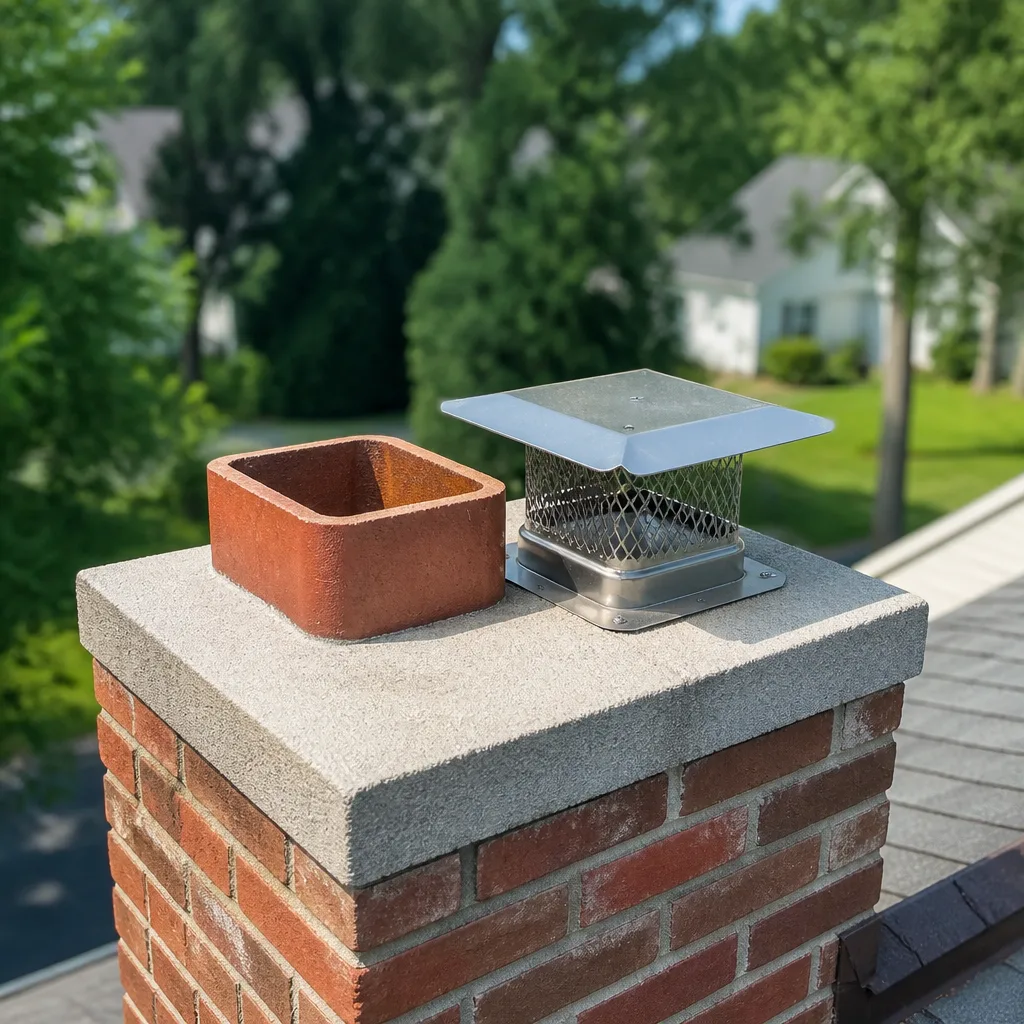
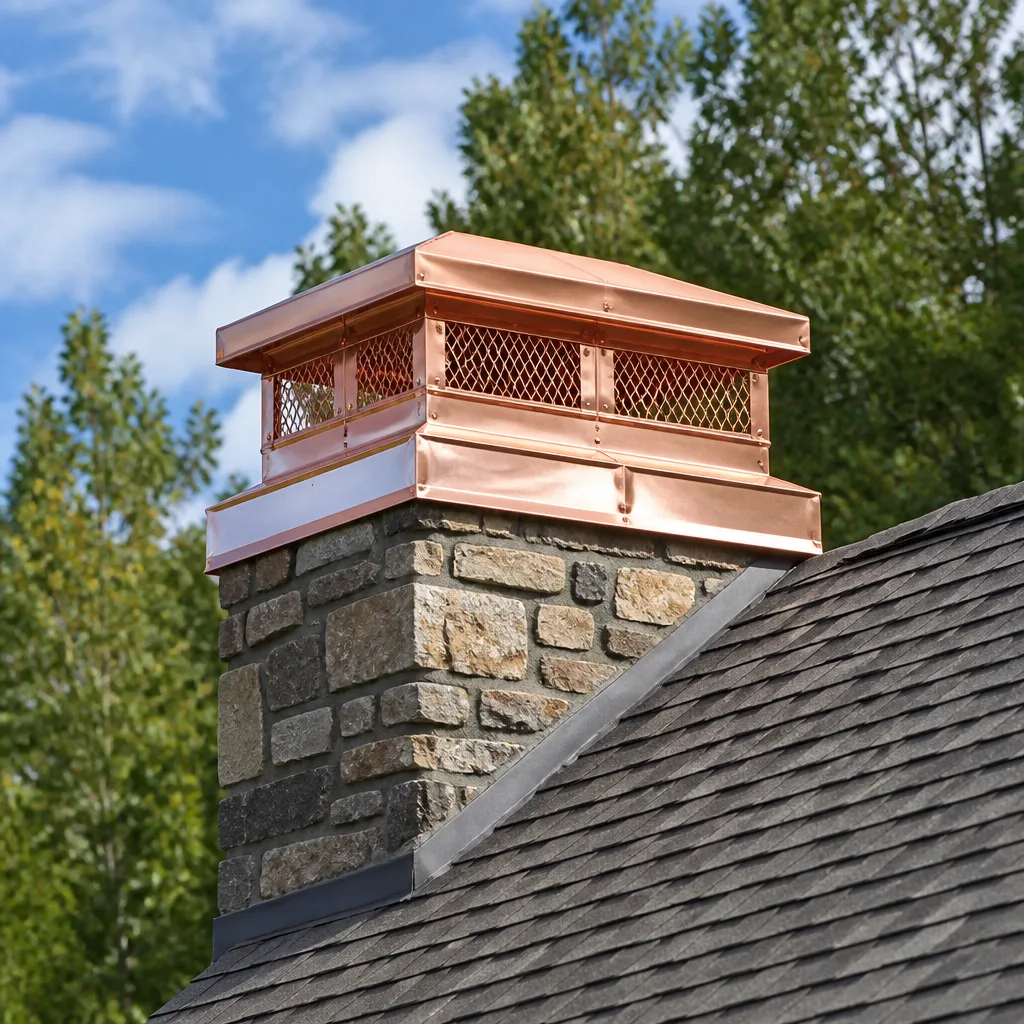
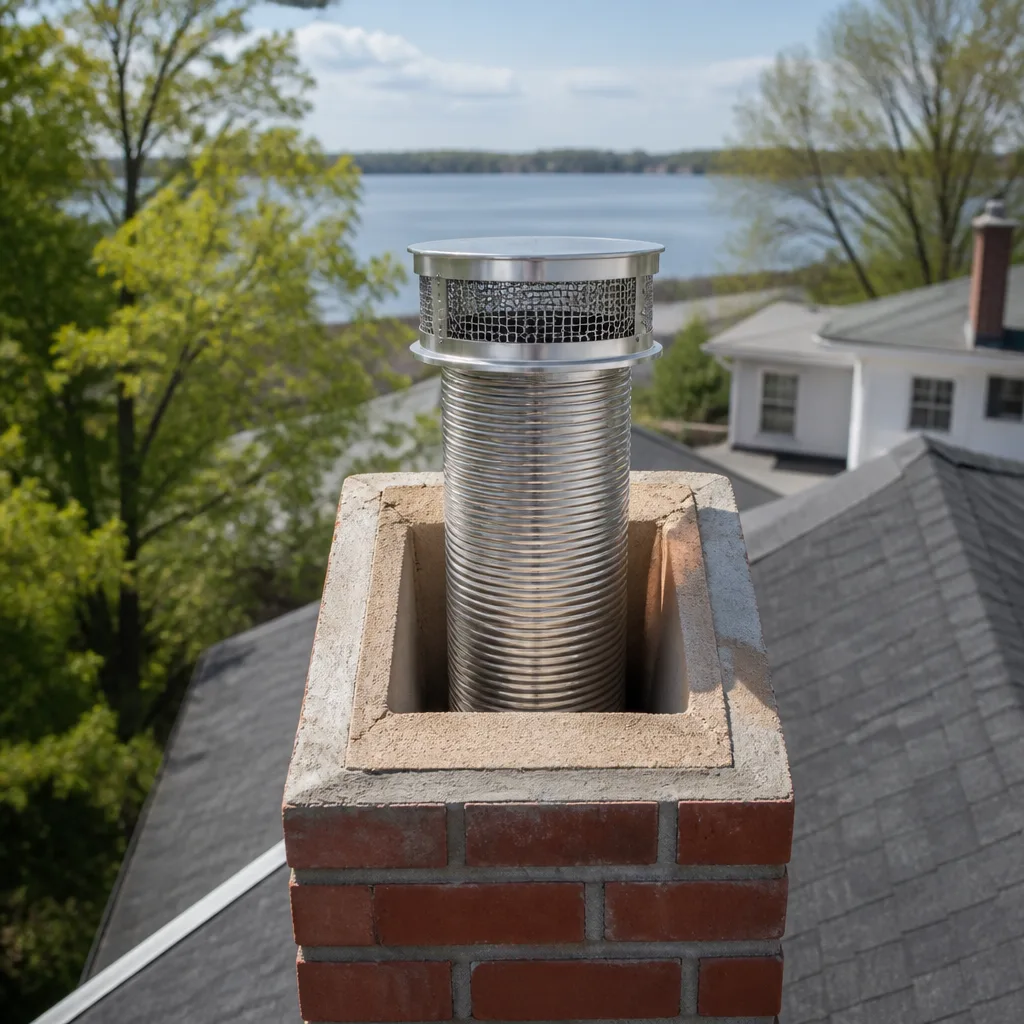
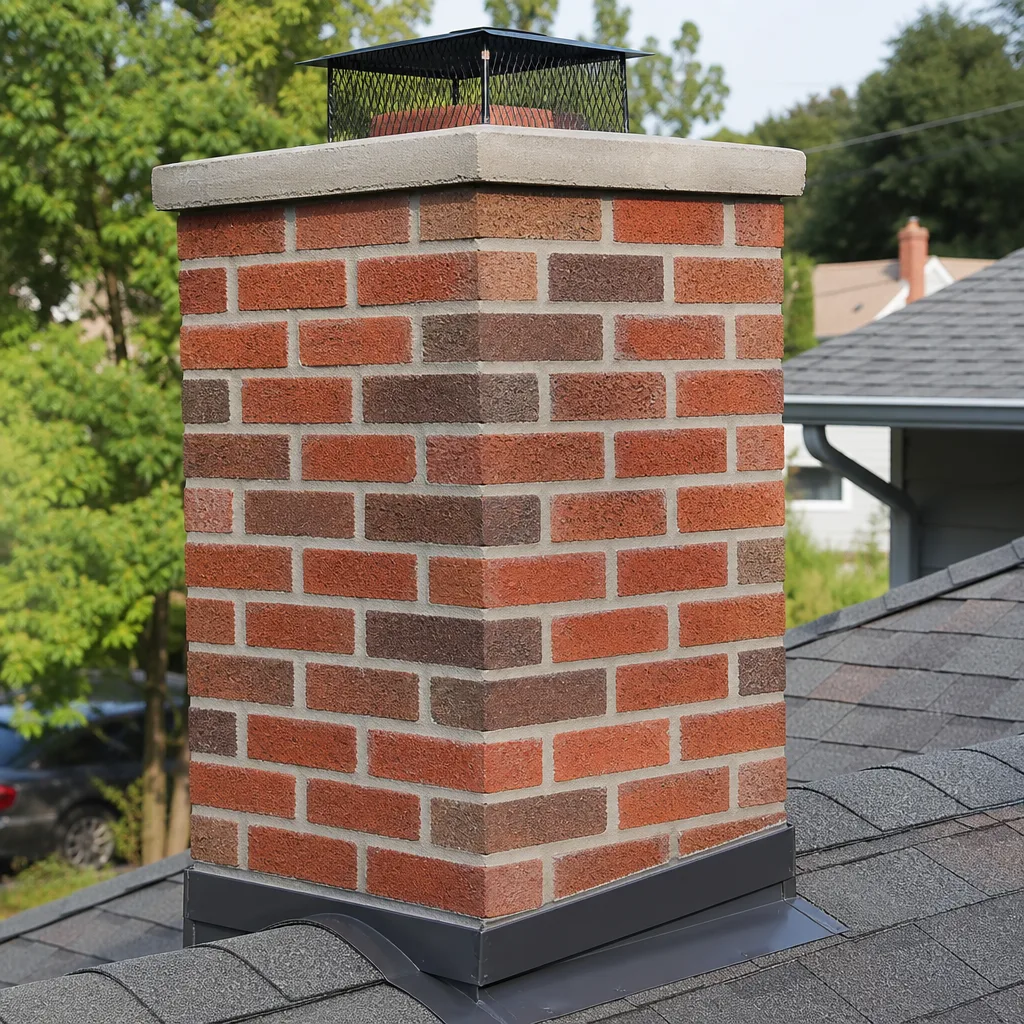
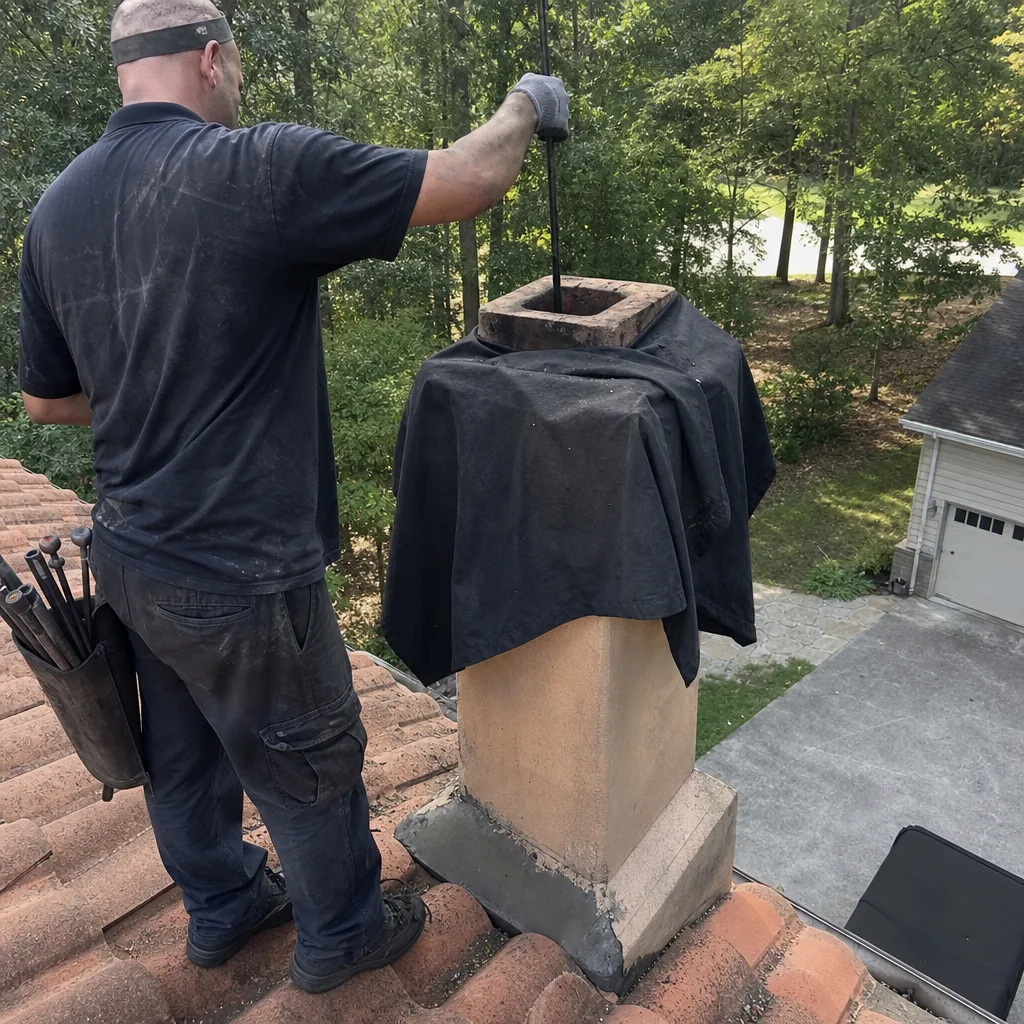
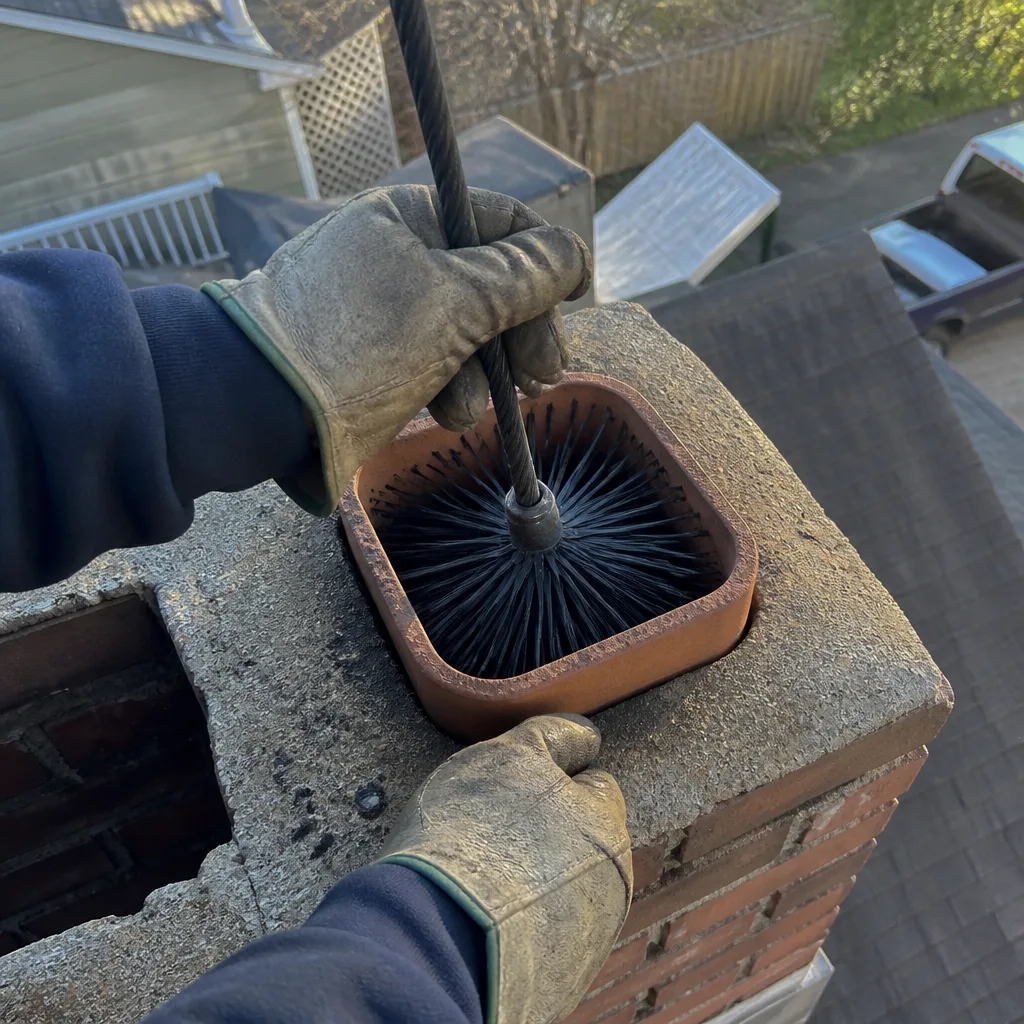
Level 1 sweep and inspection to the NFPA 211 annual standard - flue, crown, cap, and flashing checked and photographed
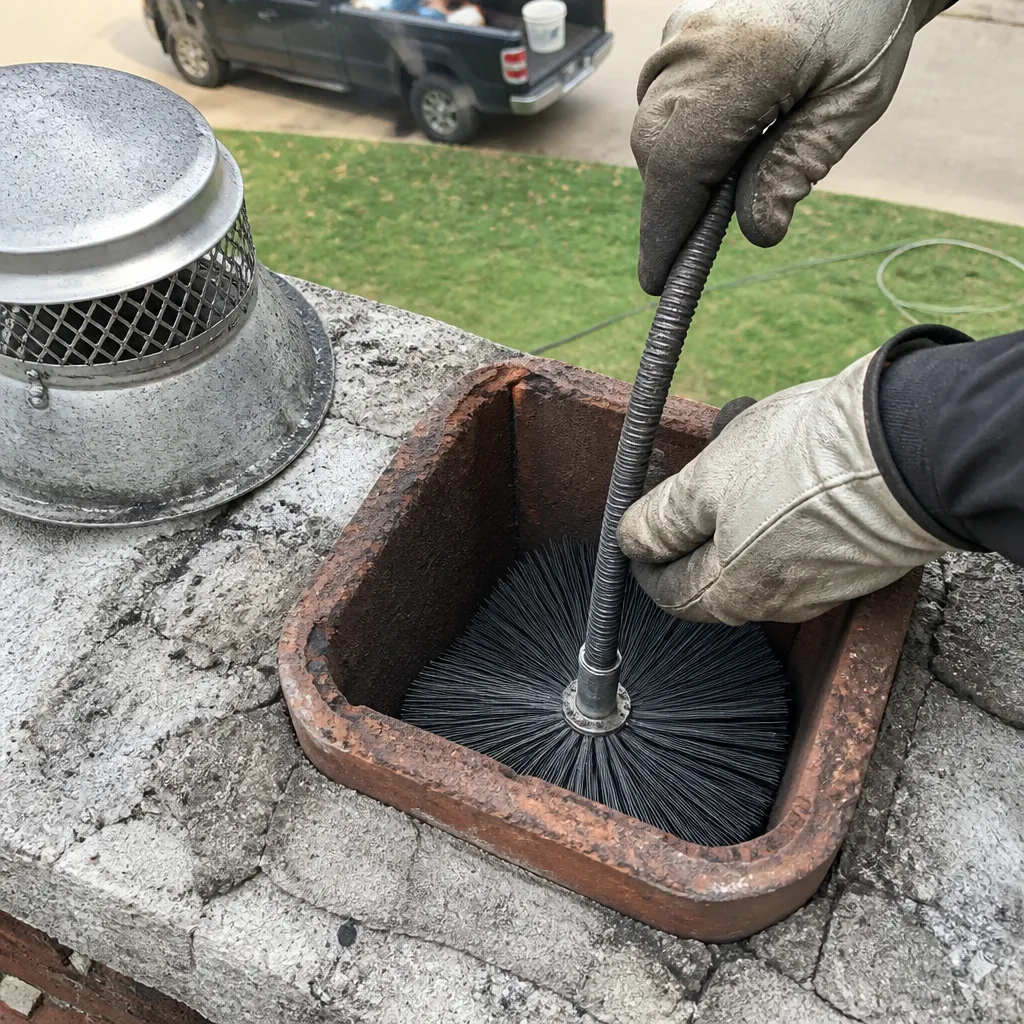
Chimney sweep logs do not sweep chimneys. They loosen some creosote - which then falls where a brush and vacuum still have to collect it.
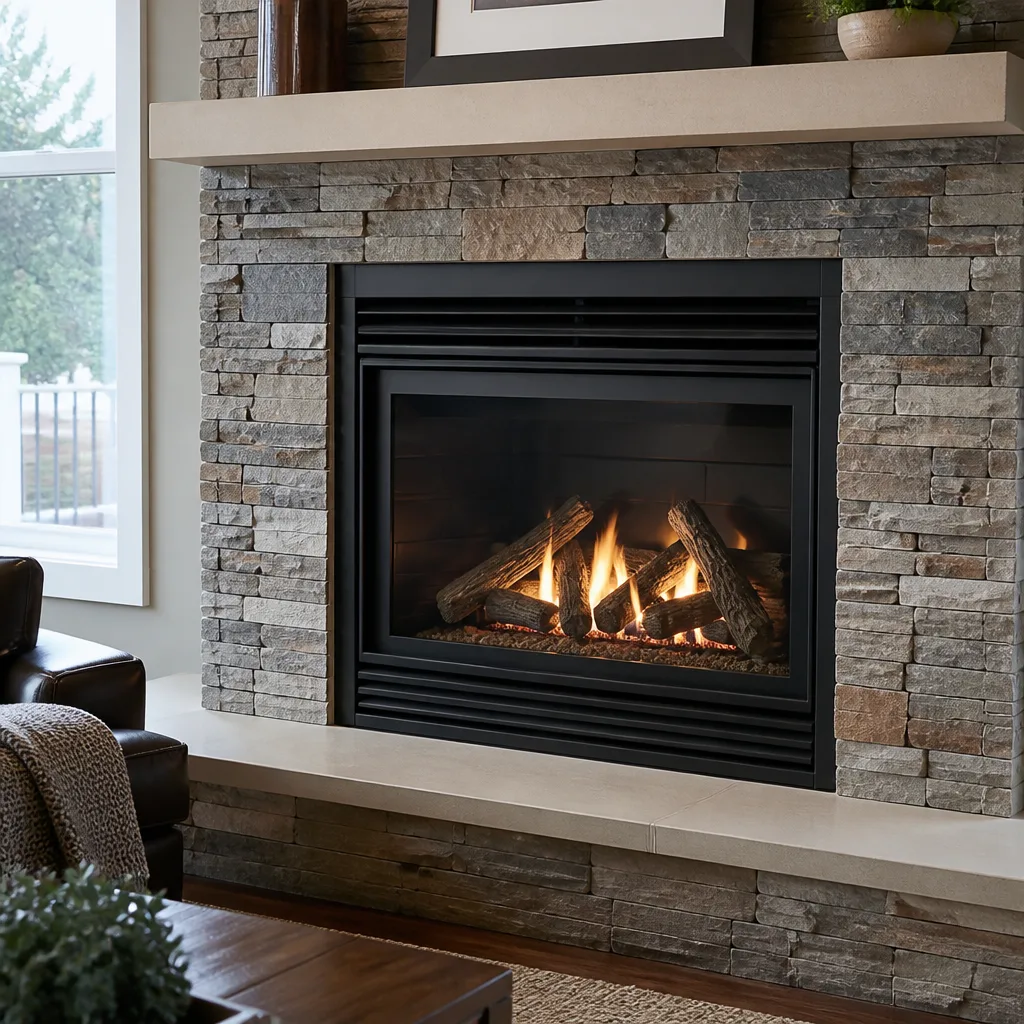
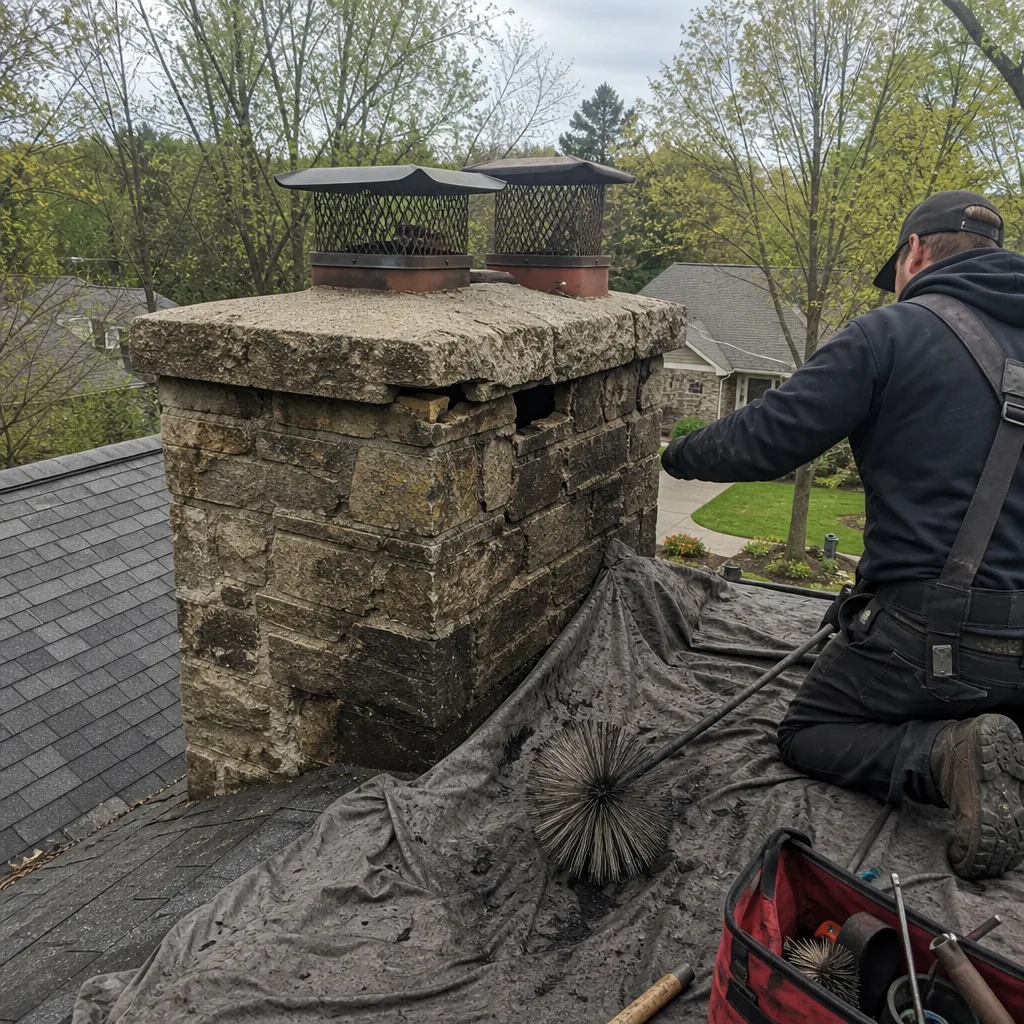 Before
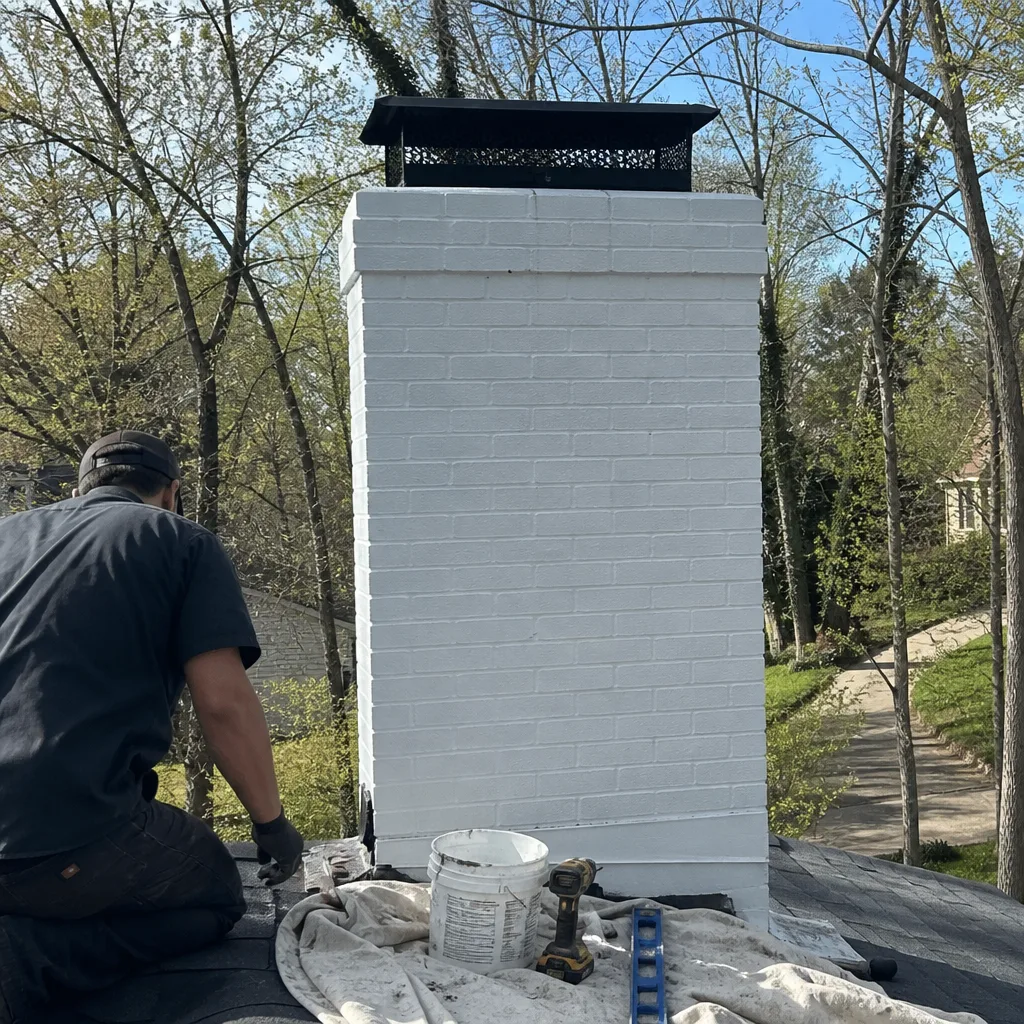 After
After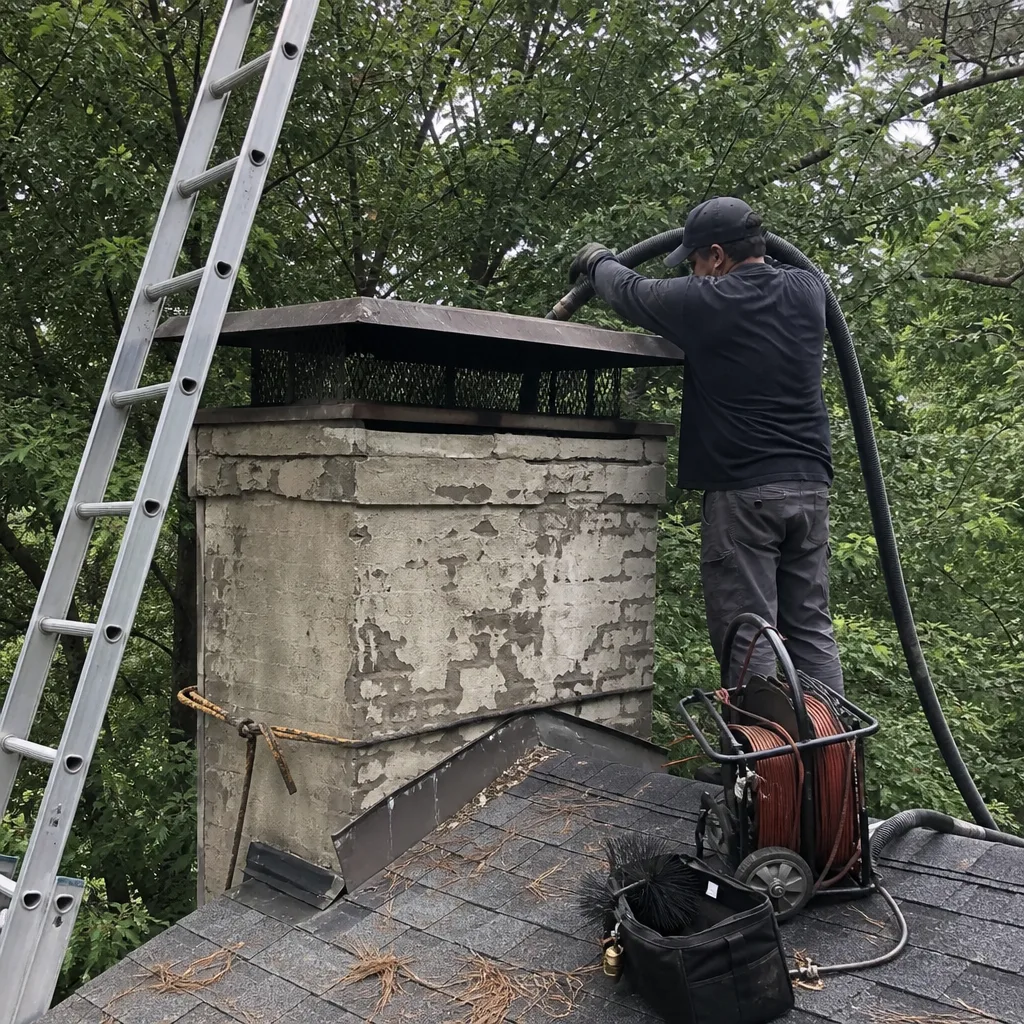 Before
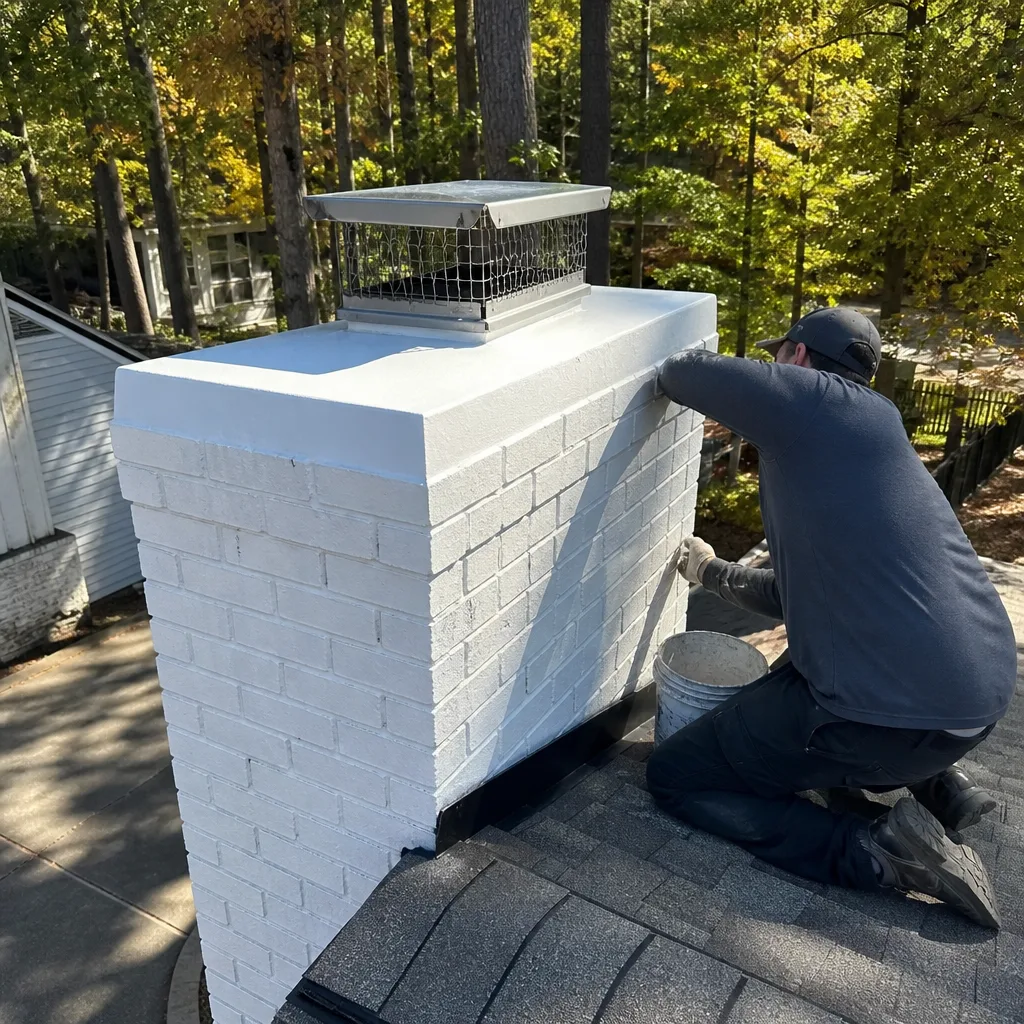 After
AfterChimney Cleaning Warning Signs: A Sandy Springs Homeowner’s Reference Guide
A chimney that smells like a campfire in July, when no fire has been lit for months, is not a quirk of an old house. It is a documented indicator of Stage 2 or Stage 3 creosote that can ignite at 451 degrees from a single use. In Sandy Springs, where winter burns are intermittent and summer humidity is relentless, these warning signs accumulate slowly enough that homeowners rationalize them away. This guide gives you the concrete descriptions of what to look for, where to find it, and what urgency each signal carries, and for a deeper dive into prevention, see our Complete Guide to Chimney Cleaning in Sandy Springs. No vague language. No scare tactics. Just the observable conditions we’ve documented across more than 38,000 inspections since 2009.
Quick Answer
The seven chimney cleaning warning signs every Sandy Springs homeowner should recognize are: persistent campfire odor in warm months, visible black or brown residue on damper or firebox walls, smoke backing into the room during use, white or green crystalline deposits on exterior masonry, rust on damper or fire grate, debris or animal nesting material visible from below, and a tar-like glaze on flue walls visible with a flashlight. Most indicate creosote buildup beyond safe operating limits; some signal moisture intrusion that accelerates liner deterioration. A camera-scan inspection confirms which condition is present and documents it with photos.
Table of Contents
- Seven Observable Conditions: What Each Looks Like and Where to Find It
- Cosmetic Stain vs. Structural Moisture Signal: Measurements That Matter
- Draft Problems Decoded: Three Causes of a Smoky Firebox
- Warning Signs That Appear Only After a Fire
- How to Photograph and Document Warning Signs for Accurate Estimates
- How Sandy Springs Climate Accelerates Specific Chimney Problems
- Common Mistakes to Avoid
- When to Call a Professional
- Frequently Asked Questions
- The Bottom Line
BeforeAfterSeven Observable Conditions: What Each Looks Like and Where to Find It
These are the conditions we find during Chimney Sweep in Sandy Springs that homeowners could have spotted weeks earlier. Each description includes the location, the visual characteristic, and the cleaning urgency it indicates.
1. Persistent Campfire Odor in Warm Months
Where to find it: Living areas adjacent to the fireplace, especially on humid days, or inside the firebox itself when the damper is closed.
What it looks like: Not a faint woodsy scent. A distinct, sharp campfire smell that arrives with summer humidity and lingers. Homeowners in Sandy Springs neighborhoods like Dunwoody Panhandle and Riverside often report this first in July or August, when outdoor temperatures hit the low 90s and indoor relative humidity climbs past 65 percent.
What it indicates: Stage 2 or Stage 3 creosote (also called glazed creosote) is absorbing atmospheric moisture and off-gassing. Glazed creosote forms when wood burns at low temperatures with insufficient airflow, common in decorative fires or damp wood. It is highly combustible and cannot be removed with standard wire brushes. The National Fire Protection Association (NFPA) 211 classifies this as a fire hazard requiring mechanical or chemical removal before next use.
Urgency: Do not burn until inspected and cleaned. This is not a scheduling preference. It is a hard stop.
2. Visible Black or Brown Residue on Damper or Firebox Walls
Where to find it: Open the damper fully and look up with a flashlight. Check the damper blade itself, the smoke shelf directly above it, and the side walls of the firebox where they meet the back wall.
What it looks like: Soot is black, powdery, and wipes off with a finger. Creosote is brown to black, sticky or flaky, and smears. A thick, shiny black coating that reflects light indicates glazed creosote. In Sandy Springs, we see heavy soot accumulation in homes that burn pine or unseasoned hardwood, both common in the metro Atlanta firewood market.
What it indicates: Soot buildup of more than one-eighth inch indicates cleaning is due under NFPA 211 guidelines. Creosote in any form at any thickness requires removal. The residue location matters: heavy deposits on the smoke shelf suggest poor draft or oversized flue; deposits concentrated on one side indicate a liner offset or partial collapse.
Urgency: Schedule cleaning within two weeks if burning will continue. Sooner if any glazed material is present.
3. Smoke Backing Into the Room During Use
Where to find it: Obvious during operation. Smoke may spill from the fireplace opening, from gaps around the insert, or from the cleanout door in the basement.
What it looks like: Visible smoke in the living space, haze that sets off smoke detectors, or a persistent eye-burning haze after the fire is established. This is not the brief puff on lighting; it is continuous or recurring spillage after the flue should be warm.
What it indicates: Three possible causes, detailed in the next section. The critical point: smoke spillage means the system is not containing combustion byproducts, which include carbon monoxide. This is not a cleaning-optional condition.
Urgency: Extinguish the fire safely and do not use again until evaluated. See the draft troubleshooting section below.
4. White or Green Crystalline Deposits on Exterior Masonry
Where to find it: Chimney exterior, especially the crown, the mortar joints between bricks, and the interior face of the chimney where it passes through an attic or closet. White deposits are efflorescence, soluble salts left by evaporating water. Green or dark staining indicates algae or moss colonization, which requires sustained moisture.
What it looks like: Efflorescence has a fuzzy, crystalline, almost sugary appearance. It brushes off easily when dry. Green staining is flat, adheres to the masonry surface, and may appear with accompanying moss in shaded areas common on north-facing chimney exposures in Sandy Springs’ tree-canopied neighborhoods like Hammond Hills and Spalding Woods.
What it indicates: Efflorescence confirms water is moving through the masonry, dissolving salts, and evaporating at the surface. This is a moisture signal, not a cleaning signal directly, but moisture accelerates creosote acidity and liner corrosion. Green staining indicates chronic moisture with organic growth, which degrades mortar joints and can freeze-thaw spall bricks in rare cold snaps.
Urgency: Not immediate for cleaning, but the moisture source must be identified within the current season. Water and creosote together form sulfuric acid that corrodes stainless steel liners and deteriorates mortar.
5. Rust on Damper or Fire Grate
Where to find it: Damper frame and blade, fire grate legs and crossbars, and any metal components visible from the firebox opening.
What it looks like: Orange-brown oxidation, pitting, or flaking metal. On dampers, rust often concentrates at the pivot points where condensation collects. In Sandy Springs, we see accelerated rust in homes with gas log sets, where pilot lights produce continuous moisture in an otherwise cold flue.
What it indicates: Moisture is present in quantities that exceed normal combustion byproduct levels. The source may be a missing or damaged chimney cap, crown cracks, or flue gas condensation from an improperly sized liner. Rusted dampers do not seal fully, which increases indoor air leakage and allows animal entry.
Urgency: Damper replacement if rust prevents full closure or opening. Cap or crown repair to stop water entry. Schedule within the month.
6. Debris or Animal Nesting Material Visible From Below
Where to find it: Look up the flue from the firebox with a strong flashlight. Check the smoke shelf for accumulations. In homes with cleanout doors in the basement, open and inspect the base of the flue.
What it looks like: Twigs, leaves, straw-like nesting material, or downy insulation. Squirrel nests are bulky and coarse. Chimney swift nests are cup-shaped and adhered to the wall. Raccoon latrines are identifiable by odor and location. Sandy Springs’ mature oak canopy supports high squirrel populations, and unscreened flue openings are accessed routinely.
What it indicates: A missing or damaged chimney cap, or a cap with screening too large to exclude animals (mesh larger than three-quarter inch). Nesting material is a fire hazard and can block the flue, causing carbon monoxide backup. It also indicates the flue has been open to weather long enough for significant accumulation.
Urgency: Do not burn until removed. Nesting material can ignite directly or block the flue. Removal requires inspection to confirm no animals are present, which is a legal consideration under the Migratory Bird Treaty Act for active chimney swift nests.
7. Tar-Like Glaze on Flue Walls
Where to find it: Visible with a flashlight looking up from the firebox, or confirmed with a camera scan. The glaze appears on the upper third of the flue first, where temperatures are lowest and condensation heaviest.
What it looks like: A shiny, black, enamel-like coating that does not flake or brush off. It may appear in runs or drips, like candle wax that has melted and resolidified. This is Stage 3 creosote, the most combustible form.
What it indicates: Sustained low-temperature burning, typically of unseasoned wood or with restricted airflow. The glaze is essentially distilled wood tar that has polymerized to a nearly ignition-proof removal challenge. Standard sweeping will not touch it. Chemical treatment or mechanical removal with specialized chains or whips is required.
Urgency: Immediate. Do not use the fireplace. This material ignites at temperatures routinely reached in normal operation and burns at over 2,000 degrees, exceeding the rating of many clay flue liners.
Cosmetic Stain vs. Structural Moisture Signal: Measurements That Matter
Not every discoloration on a chimney is an emergency. The difference between a cosmetic stain and a structural moisture signal is measurable, and the measurement determines whether you’re looking at a cleaning issue or a repair issue.
Interior Stains: The Three-Inch Rule
On interior walls adjacent to the chimney breast, stains within three inches of the ceiling-chimney junction are typically condensation from warm, humid interior air meeting the cooler masonry surface. These stains are usually yellow-brown, irregular in shape, and dry to the touch. They indicate inadequate insulation or air sealing, not necessarily flue failure.
Stains that extend more than three inches down the wall, that are dark brown or black, or that feel damp during humid weather indicate water is entering from the exterior. Measure the vertical extent. A stain that reaches eight or twelve inches down the wall, especially if it follows mortar joints in a stair-step pattern, means water is moving through the masonry matrix, not just condensing on the surface.
In Sandy Springs, where summer humidity averages 70 percent and winter temperature differentials across the chimney mass can reach 40 degrees, both conditions are common. The measurement tells you which contractor to call: an insulation contractor for the first, a chimney professional for the second-our step-by-step guide to hiring a chimney cleaning contractor in Sandy Springs can help with that decision.
Exterior Stains: The Dime Test
Efflorescence that brushes off with a dry finger and does not return within 48 hours after rain is a residual deposit from a past moisture event, often following construction or pointing work. Persistent efflorescence that returns within 24 hours of wetting, or that is accompanied by spalling (flaking or chipping of the brick face), indicates active water penetration.
The dime test: if you can insert the edge of a dime into a spalled area deeper than the thickness of a dime (approximately 1.35 millimeters), the masonry face has delaminated to a depth that compromises freeze-thaw resistance. Sandy Springs rarely experiences sustained freezing, but the January 2024 cold snap reached 8 degrees, and spalled brick faces absorbed enough moisture to crack in single-digit temperatures. The damage was done in one night.
Smoke Chamber Stains: Color Coding
The smoke chamber, the area above the damper and below the flue liner, is where we find the most diagnostic staining. Black, powdery stains indicate normal soot accumulation requiring cleaning. Brown, tacky stains indicate creosote. White or gray, powdery stains indicate pyrolysis, the chemical decomposition of wood framing or combustible materials adjacent to overheated masonry. Pyrolysis stains mean the chimney has been operated with a breach in the liner or with inadequate clearance to combustibles. This is a fire code violation and requires immediate evaluation.
During Chimney Repair in Sandy Springs, we document smoke chamber conditions with camera footage under Haven Standard Clause 4. The photo record becomes part of the home’s maintenance file and is transferable to future owners.
Draft Problems Decoded: Three Causes of a Smoky Firebox
Smoke in the room is the warning sign homeowners notice first and understand least. Three distinct mechanical conditions cause it. Each has a specific diagnostic test you can perform before calling a sweep.
Cause 1: Cold Flue Syndrome
What it is: The air column in the flue is colder than the air in the room, so it sinks instead of rising. Common in chimneys on exterior walls, in homes with tall ceilings, or after days of non-use in cold weather.
The test: Open the damper. Hold a lit match or strip of newspaper at the flue opening. If the flame bends toward the flue and is drawn upward, draft is present. If it bends into the room or stands vertical, the flue is cold-blocked.
The fix: Pre-warm the flue. Roll two sheets of newspaper into a torch, light the top, and hold it at the flue opening until you feel warm air rising. This may take 30 to 60 seconds in a cold flue. Then light the main fire. If smoke spillage stops after pre-warming, cold flue was the cause. This is a technique, not a repair, and does not require professional service unless it recurs despite pre-warming.
Cause 2: Blockage or Restriction
What it is: Physical obstruction in the flue reduces the cross-sectional area below what the fireplace requires. Causes include creosote buildup, animal nests, collapsed liner sections, or construction debris from prior work.
The test: Visual inspection from below with a strong flashlight. Look for visible obstruction, irregular shadows, or light that does not reach the top. A mirror held at 45 degrees can help. Alternatively, observe whether smoke spillage occurs only at fire startup (suggesting cold flue) or persists throughout the burn (suggesting blockage).
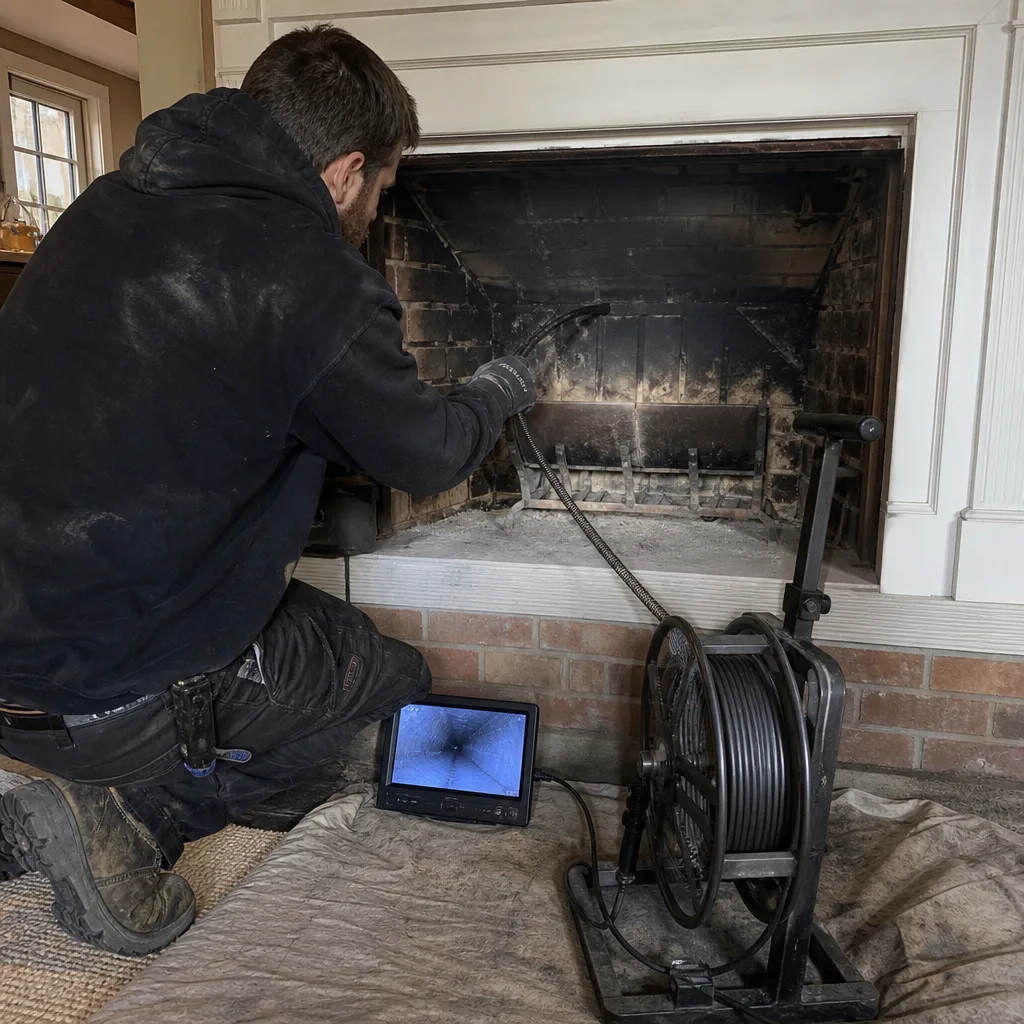
The fix: Professional cleaning and camera inspection. A Level 2 inspection per NFPA 211 includes video scanning of the entire flue length to identify partial blockages not visible from below. At Emberly Chimney Cleaners Sandy Springs, this is standard on every visit, not an upgrade.
Cause 3: Negative Pressure in the House
What it is: Modern homes are tighter than ever. Exhaust fans, range hoods, clothes dryers, and HVAC systems can depressurize the house enough to overcome natural draft. In Sandy Springs, we see this frequently in homes built 2015 or later with spray-foam insulation and continuous mechanical ventilation.
The test: With the fire established and smoking, open a window on the same floor as the fireplace, approximately six feet from the hearth. If smoke spillage stops within 30 seconds, negative pressure is the cause. The fireplace is competing with the house for makeup air.
The fix: Combustion air supply. Options include a dedicated outside air duct to the firebox (required by code in some jurisdictions for new construction), cracking a window during fire use, or balancing exhaust fan operation. This is a building science issue, not a chimney defect, though a sweep can confirm the diagnosis and recommend an HVAC contractor for permanent solutions.
Safety note: Persistent smoke spillage from any cause introduces carbon monoxide into living spaces. CO is odorless, colorless, and lethal at concentrations above 400 parts per million. If smoke is entering the room, CO is too. A CO detector near the fireplace is not optional; it is required by Georgia law in homes with fuel-burning appliances.
Warning Signs That Appear Only After a Fire
Some conditions are invisible until the system is stressed by actual use. These post-fire indicators mean the chimney needs evaluation before the next burn, even if it appeared fine beforehand.
- Hot or discolored exterior masonry. After a normal fire, the exterior brick should be cool to the touch. If the chimney face above the roofline is warm, or if mortar joints have changed color (darkened or lightened), heat is escaping through a breach in the liner. This is a structure fire in waiting. Check within two hours of extinguishing the fire, when residual heat is highest.
- Unusual odors during cooldown. A sharp, chemical smell as the fire dies, distinct from normal wood smoke, indicates incomplete combustion or flue gas leakage. This may accompany a tar-like residue on the glass doors of an insert. The smell is volatile organic compounds from overheated creosote or, in gas installations, incomplete combustion producing aldehydes.
- Increased draft after the fire is out. If the damper is closed and you still feel air movement, or if the firebox continues to draw strongly after the fire is extinguished, there may be a breach between flue passages in a multi-flue chimney. One flue is pulling through another, indicating a missing or deteriorated wythe (the masonry wall separating flues). This requires camera inspection to confirm.
- Crackling sounds from the chimney after extinguishing. Normal cooling ticks are rhythmic and diminish. Sharp, irregular crackling or popping, especially if accompanied by falling debris sounds, indicates a chimney fire may have occurred. Chimney fires often burn briefly and go unnoticed by occupants. The sounds are thermal-shock cracking of the liner or spalling of creosote deposits. This is an emergency inspection situation.
- Smoke detector activation during normal operation. If your smoke detector has never activated before and now does so during routine fires, something has changed. Do not disable the detector. The change may be increased particulate output from a partial blockage, altered draft from a damaged cap, or CO migration from a liner breach.
In Sandy Springs, where many homeowners use fireplaces only on weekends or during holiday gatherings, these post-fire signs are often missed because the system sits idle between uses. We recommend a brief post-fire checklist: touch the exterior, smell the air, listen for sounds, and note any detector activation. Document what you find with photos and timestamps.
How to Photograph and Document Warning Signs for Accurate Estimates
The most common frustration we hear from homeowners is receiving a wide estimate range, or being told “we need to see it first,” when they have a legitimate concern and want to understand cost before booking. Accurate phone estimates require accurate information. Here’s how to provide it.
Step 1: Establish Scale in Every Photo
Include a recognizable reference object: a coin, a pen, or your hand. A photo of a stain without scale tells us nothing about whether it is two inches or two feet. For flue deposits, place a flashlight beam across the surface so the texture is visible. Glazed creosote reflects light; soot absorbs it.
Step 2: Capture the Location Context
Take one photo from far enough to show where on the chimney the condition appears. A close-up of efflorescence is useful; a photo showing it is on the south face, below the crown, at the third brick course, tells us the water entry point with much higher confidence. For interior stains, include the ceiling junction and adjacent wall in the frame.
Step 3: Document the Sequence
If the condition changes, photograph the progression. A stain that grew from three inches to eight inches over six months indicates active, worsening moisture. A deposit that was powdery and is now glazed indicates creosote stage progression. Date-stamped photos create a timeline that informs urgency.
Step 4: Measure What You Can
Use a tape measure for stains, cracks, and spalled areas. Record the width of cracks to the nearest sixteenth of an inch. Cracks wider than one-eighth inch in a flue liner indicate structural separation requiring liner replacement, not cleaning. Cracks narrower than one-sixteenth inch may be thermal expansion joints and are normal.
Step 5: Describe Operation History
Note fuel type, burn frequency, and any recent changes. “Oak, two fires per week, November through February” is useful. “Switched to pine this year because it was cheaper” explains rapid creosote accumulation. “Installed gas logs last year, now seeing rust” identifies the moisture source.
With this documentation, Emberly Chimney Cleaners Sandy Springs can provide a written price range before arrival, with the final scope confirmed by camera inspection. This is Haven Standard Clause 1: Have it in writing. The written price, written scope, and written warranty are delivered before work starts. No exceptions.
How Sandy Springs Climate Accelerates Specific Chimney Problems
Geography and climate are not abstract factors. They determine which warning signs appear first, which progress fastest, and which are most likely to be misinterpreted by homeowners new to the area.
Humidity and Creosote Chemistry
Sandy Springs averages 70 percent relative humidity annually, with summer peaks above 85 percent. High humidity hydrates creosote deposits, accelerating the chemical transition from Stage 1 (powdery soot) to Stage 2 (sticky, tar-like) to Stage 3 (glazed, enamel-like). A flue that would take three years to reach Stage 3 in a dry climate may reach it in eighteen months here. The campfire odor in summer is the telltale sign of this accelerated hydration.
Freeze-Thaw in Sporadic Cold
Metro Atlanta’s freeze-thaw cycles are infrequent but severe when they occur. Water enters masonry through cap cracks or porous brick, expands on freezing, and spalls the face. Because Sandy Springs homeowners often do not expect freeze damage, they do not inspect for it after cold events. The January 2024 freeze caused spalling damage we are still repairing in spring 2024, particularly on chimneys with pre-existing hairline cracks that admitted water during the prior humid fall.
Tree Canopy and Animal Access
Sandy Springs’ mature tree canopy, especially in neighborhoods developed in the 1960s and 1970s, provides continuous squirrel highway access to rooflines. Unscreened flue openings are exploited within days of cap loss or damage. We find active nests in chimneys that appeared intact from the ground, where the cap was displaced by wind or branch strike and the homeowner had not inspected the roofline.
Red Clay Soil and Foundation Movement
The expansive red clay soils of north Fulton County create seasonal foundation movement that stresses chimney structures. A chimney that leans or separates from the house wall may indicate soil movement rather than structural failure, but the separation admits water and compromises the liner. We measure chimney lean against the plumb of the house wall; movement exceeding one-half inch in twelve inches requires structural evaluation before liner or crown repair is meaningful.
Atlanta Air Quality and Exterior Soiling
Metro Atlanta’s ozone and particulate levels contribute to accelerated soiling of exterior masonry. Dark streaking on the chimney face below the cap is often misidentified as flue gas staining when it is actually atmospheric deposition combined with water runoff. The distinction matters: flue gas staining indicates liner or draft problems; atmospheric soiling is cosmetic. A simple test: wet the area. If the darkening is uniform and rinses cleaner, it is surface soiling. If streaking persists and is concentrated at mortar joints, it may be flue gas condensation.
Common Mistakes to Avoid
- Assuming a gas fireplace needs no inspection. Gas appliances produce water vapor and corrosive condensate. In Sandy Springs’ humid climate, we see rusted dampers and deteriorated chimney caps in exclusively gas-burning chimneys. NFPA 211 requires annual inspection of all chimney systems regardless of fuel type.
- Cleaning only what is visible from below. The upper third of the flue, where temperatures are lowest, accumulates the heaviest creosote deposits. A flashlight from the firebox cannot evaluate this. Camera inspection reaches the full flue length and documents conditions the homeowner cannot see.
- Using chimney cleaning logs as a substitute for sweeping. Chemical logs modify creosote texture but do not remove it. They can create a false sense of security and may loosen deposits that then fall and block the flue. They are a maintenance adjunct, not a replacement for mechanical cleaning.
- Ignoring seasonal odors as “just how old houses smell.” In Sandy Springs, the campfire odor in July is not character; it is chemistry. Stage 3 creosote off-gasses when hydrated by summer humidity. The smell is a warning sign with a specific technical meaning.
- Waiting for visible damage before calling. By the time spalling, staining, or liner cracks are visible from the ground or the firebox, the underlying condition has progressed significantly. The purpose of this guide is to identify pre-visible indicators.
- Accepting verbal estimates without written scope. A price given over the phone without a documented scope, warranty terms, and material specifications is not an estimate; it is a conversation starter. Haven Standard Clause 1 requires written price before work starts. Any contractor unwilling to document their proposal in writing should be declined.
- Photographing damage without scale or context. Photos that do not include reference objects, location context, or measurements cannot support accurate remote assessment. The fifteen minutes spent documenting properly saves hours of diagnostic uncertainty and prevents surprise scope changes after arrival.
When to Call a Professional
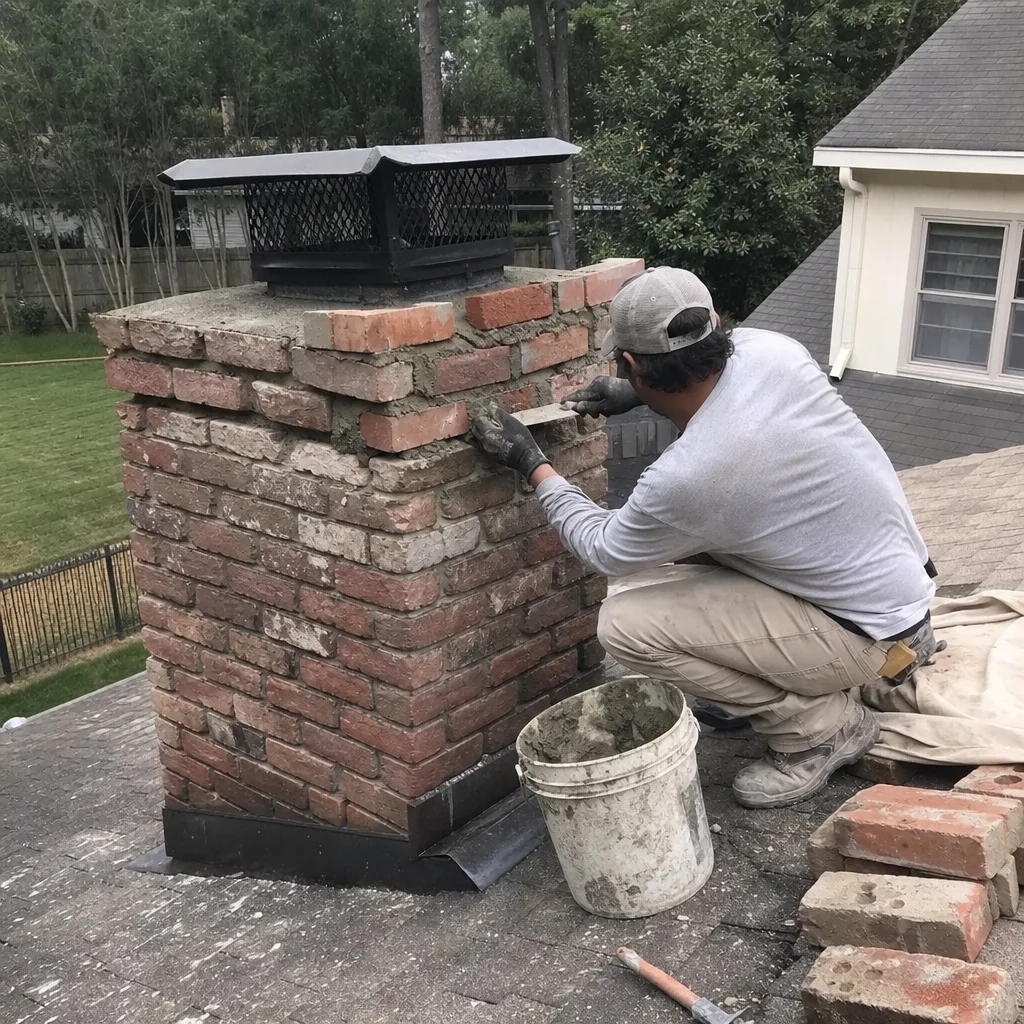
Call a certified chimney professional when: you observe any Stage 2 or Stage 3 creosote; smoke enters the room during normal operation and pre-warming the flue does not resolve it; exterior masonry shows active moisture signals with spalling or persistent efflorescence; rust prevents damper operation; animal nesting material is visible; or any post-fire indicator appears after a burn.
Do not attempt to remove creosote glaze yourself. The mechanical tools required (rotary chains, whips, specialized solvents) can damage clay flue tiles or stainless steel liners if misapplied. The force required to remove glazed deposits is substantial and can crack a liner that was marginally sound. This is work for trained technicians with camera-guided equipment.
Emberly Chimney Cleaners Sandy Springs offers free estimates in Sandy Springs. Every estimate includes a written price, written scope, and written warranty before any work begins. Camera-scan inspection and documented photo record are included as standard under Haven Standard Clause 4. Call (470) 480-0885 to schedule or to request a free second opinion on any written estimate from another provider.
Frequently Asked Questions
A standard chimney sweep and Level 2 inspection in Sandy Springs typically ranges from $199 to $349, depending on flue accessibility, creosote stage, and whether the fireplace is a standard open hearth or an insert requiring removal. Emberly Chimney Cleaners Sandy Springs provides a written price before work starts with no exceptions, and every visit includes camera-scan documentation and a photo record. Call (470) 480-0885 for an exact quote; estimates are free.
You need a new liner when the existing one is cracked, separated, or corroded to the point that it cannot contain flue gases and sparks. Cleaning does not repair structural damage. A camera inspection determines liner condition definitively. At Emberly Chimney Cleaners Sandy Springs, we show you the camera footage and explain what we found before recommending any repair. Nothing is suggested without photo evidence you can see for yourself, and we will tell you plainly when work can safely wait. Call (470) 480-0885 for a free estimate.
NFPA 211 recommends annual inspection of all chimney systems, with cleaning as needed based on creosote accumulation. In Sandy Springs’ humid climate, we find that wood-burning systems typically require cleaning every cord of wood burned, or annually for occasional users. Gas systems should be inspected annually for condensate damage and venting integrity, though cleaning frequency is lower. The specific interval depends on fuel, burn pattern, and flue configuration; a Level 2 inspection determines your actual condition rather than applying a generic schedule.
Skipped cleaning allows creosote to progress through its stages, increasing fire risk and eventually requiring more expensive removal methods. Stage 1 creosote sweeps clean with standard brushes. Stage 2 requires more aggressive mechanical cleaning. Stage 3 glazed creosote requires chemical treatment or rotary mechanical removal, at significantly higher cost. Meanwhile, moisture intrusion unchecked by inspection corrodes liners, degrades mortar, and can lead to structural repairs exceeding liner replacement cost. The cumulative effect is that deferred maintenance converts a $199 cleaning into a $2,000-plus repair. Call (470) 480-0885 for a current condition assessment.
No. A campfire odor in warm months indicates Stage 2 or Stage 3 creosote that is hydrated and off-gassing. This material ignites at temperatures reached in normal fireplace operation. Burning with active glazed creosote is a known fire hazard. Schedule inspection and cleaning before the next burn season. In Sandy Springs, we recommend summer inspection specifically because humidity reveals creosote conditions that are less apparent in dry winter air.
A Level 1 inspection is a visual examination of readily accessible portions of the chimney exterior and interior, performed without special tools. A Level 2 inspection includes everything in Level 1 plus camera scanning of the flue interior, inspection of attics, crawl spaces, and basements where the chimney passes, and evaluation of clearances to combustibles. Level 2 is required when a property changes hands, after a chimney fire or seismic event, or when the fuel type or liner is changed. Emberly Chimney Cleaners Sandy Springs performs Level 2 inspection as standard on every visit; we have done so since 2009, and this practice became Clause 4 of the Haven Standard.
The Bottom Line
Chimney warning signs in Sandy Springs are not dramatic. They are slow, humid, and easy to explain away until they are not. This guide has given you seven specific observable conditions, the measurements that distinguish cosmetic from structural problems, a diagnostic method for draft failure, post-fire indicators that demand immediate attention, and a documentation protocol that gets you accurate estimates before anyone arrives. The common thread is specificity: name what you see, measure what you can, and demand photo evidence for any recommendation. Emberly Chimney Cleaners Sandy Springs has operated under this standard since 2009, with more than 38,000 chimneys inspected and cleaned, every one with a written price before work started and a documented record when it was done. The 365-Day Done Right Promise applies to every job. For a free estimate or second opinion on any written estimate, call (470) 480-0885.
Written by Corrine Halstead, Owner at Emberly Chimney Cleaners Sandy Springs, serving Sandy Springs since 2009.