
Last updated September 21, 2026
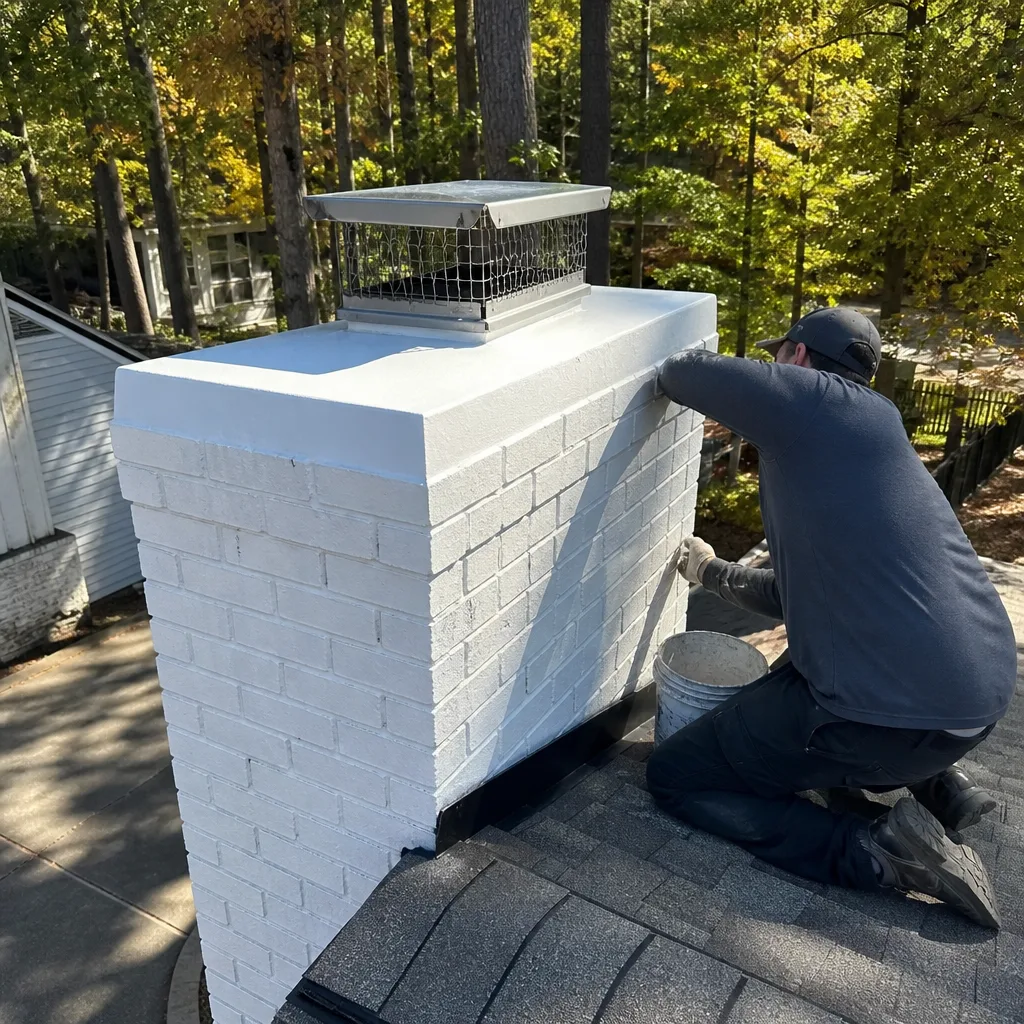
Level 1 sweep and inspection to the NFPA 211 annual standard - flue, crown, cap, and flashing checked and photographed
Chimney sweep logs do not sweep chimneys. They loosen some creosote - which then falls where a brush and vacuum still have to collect it.
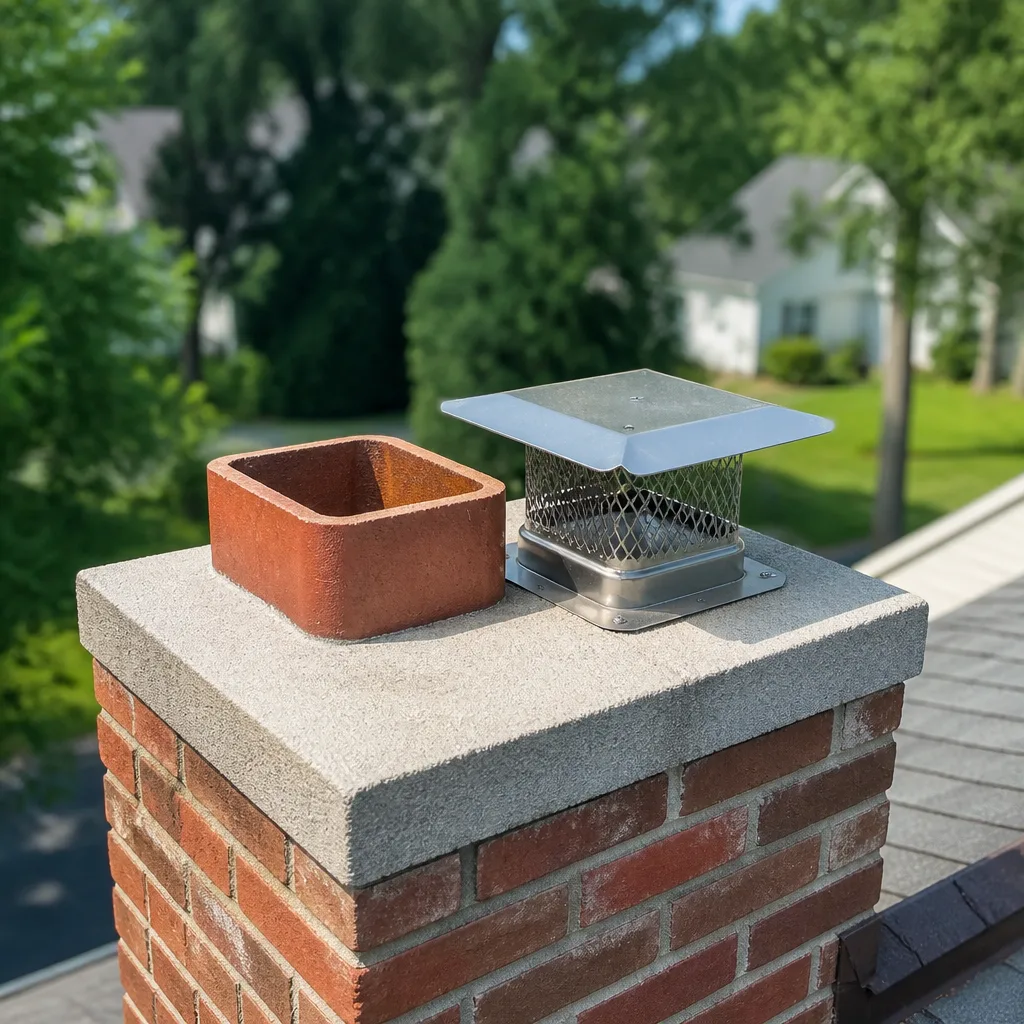
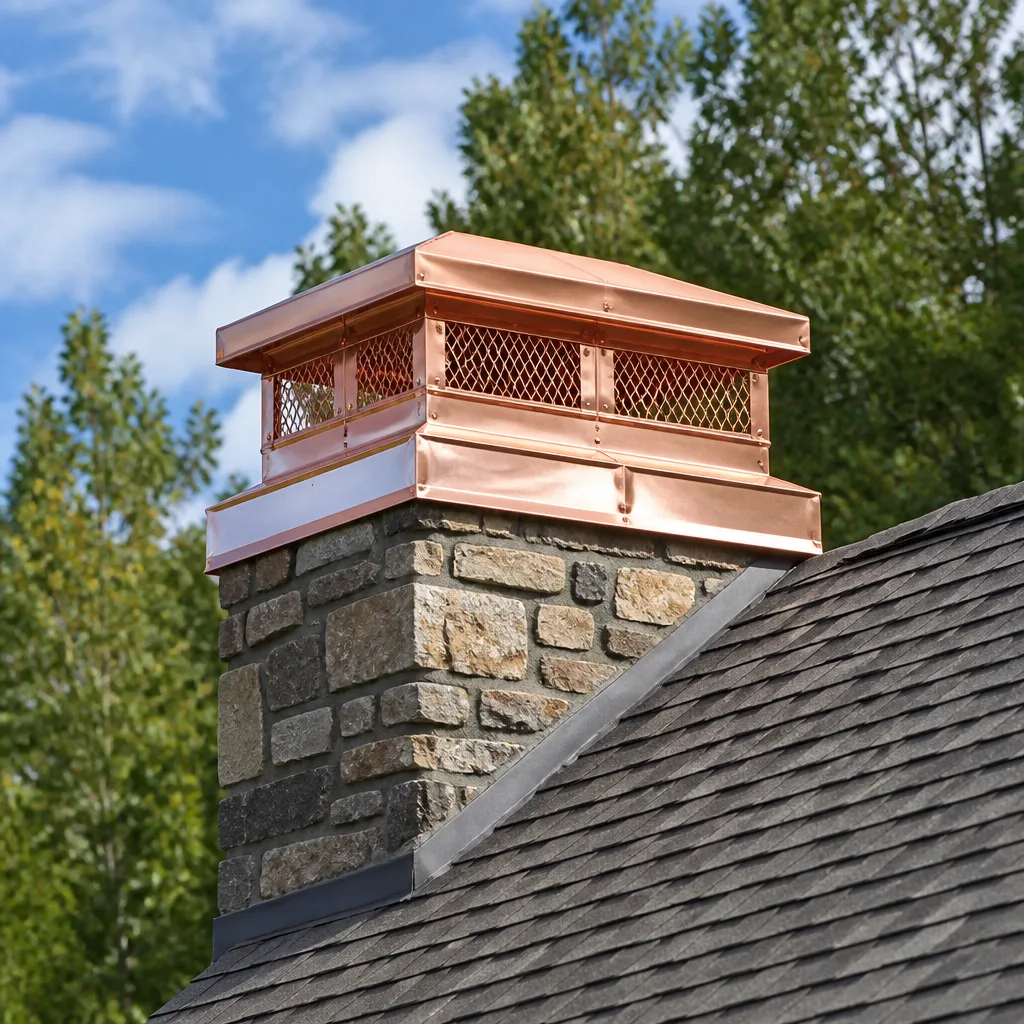
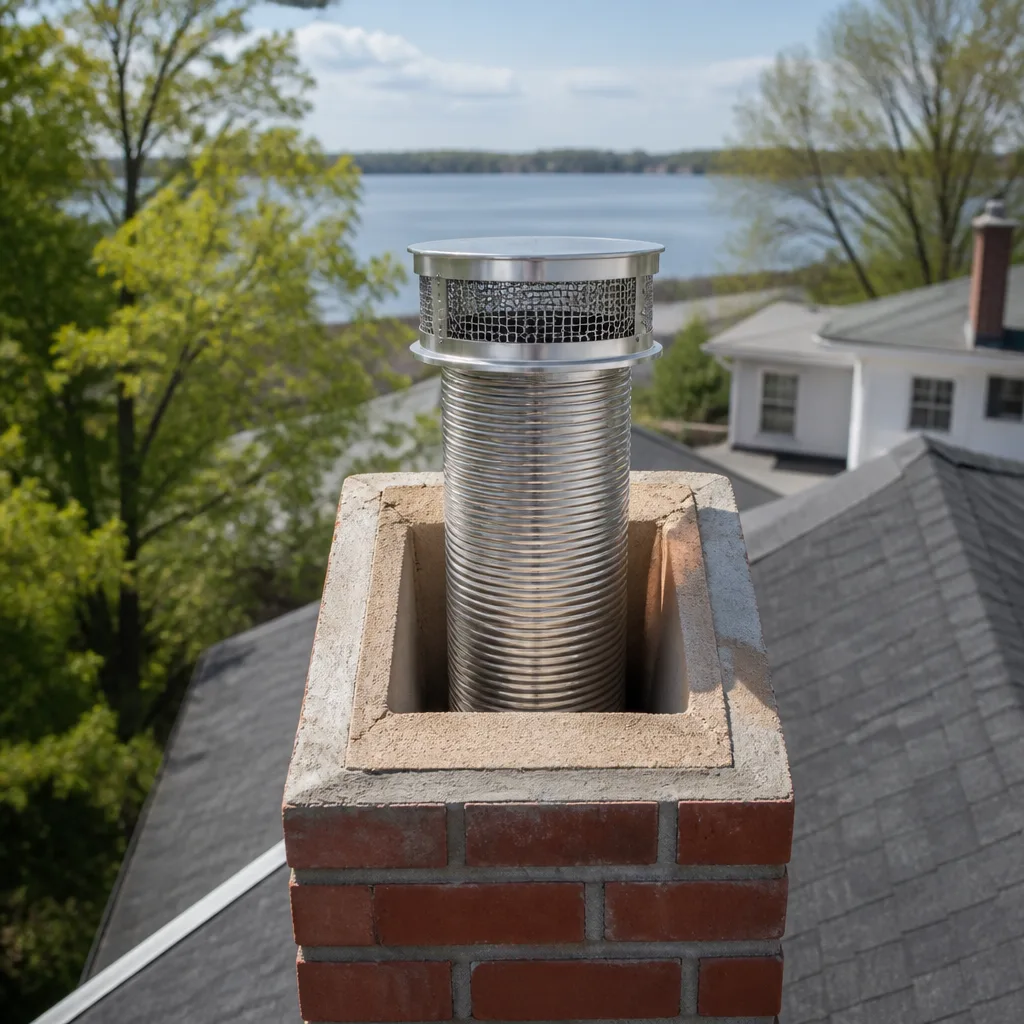
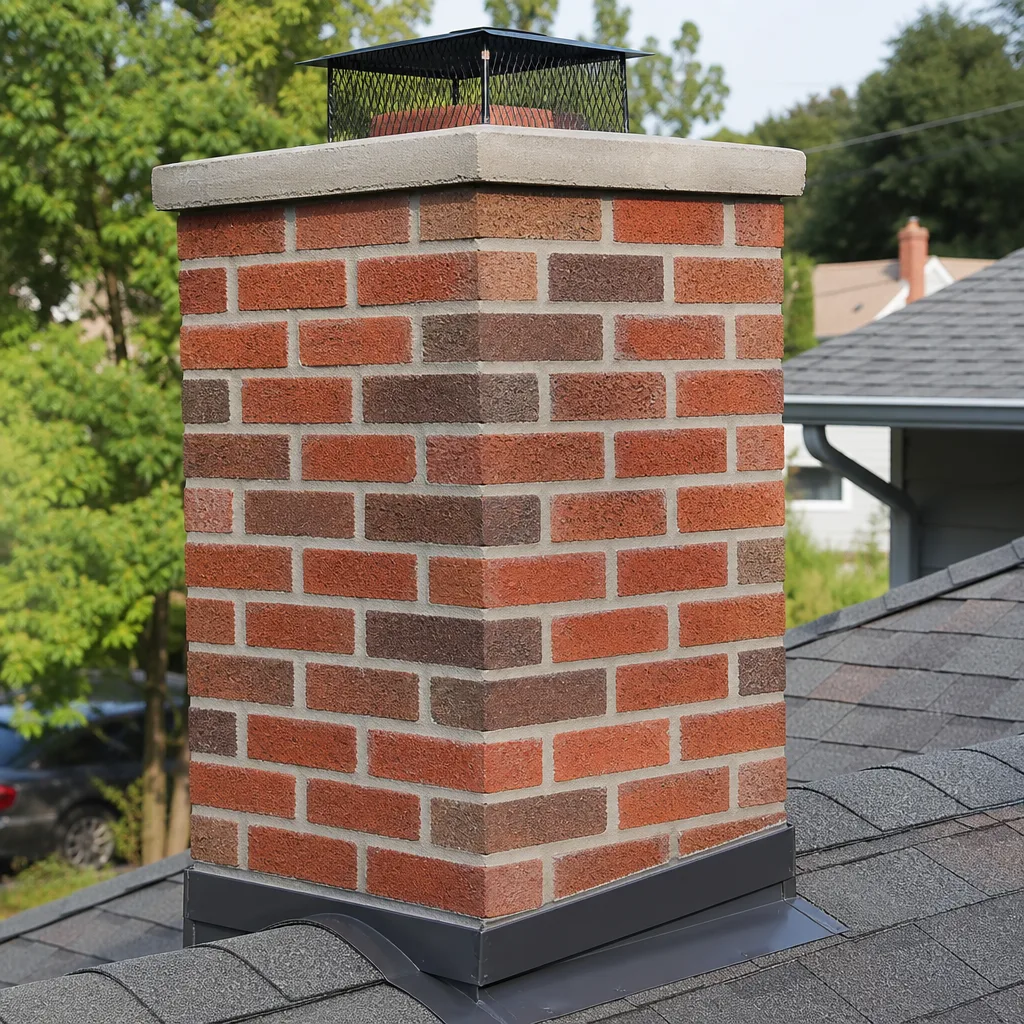
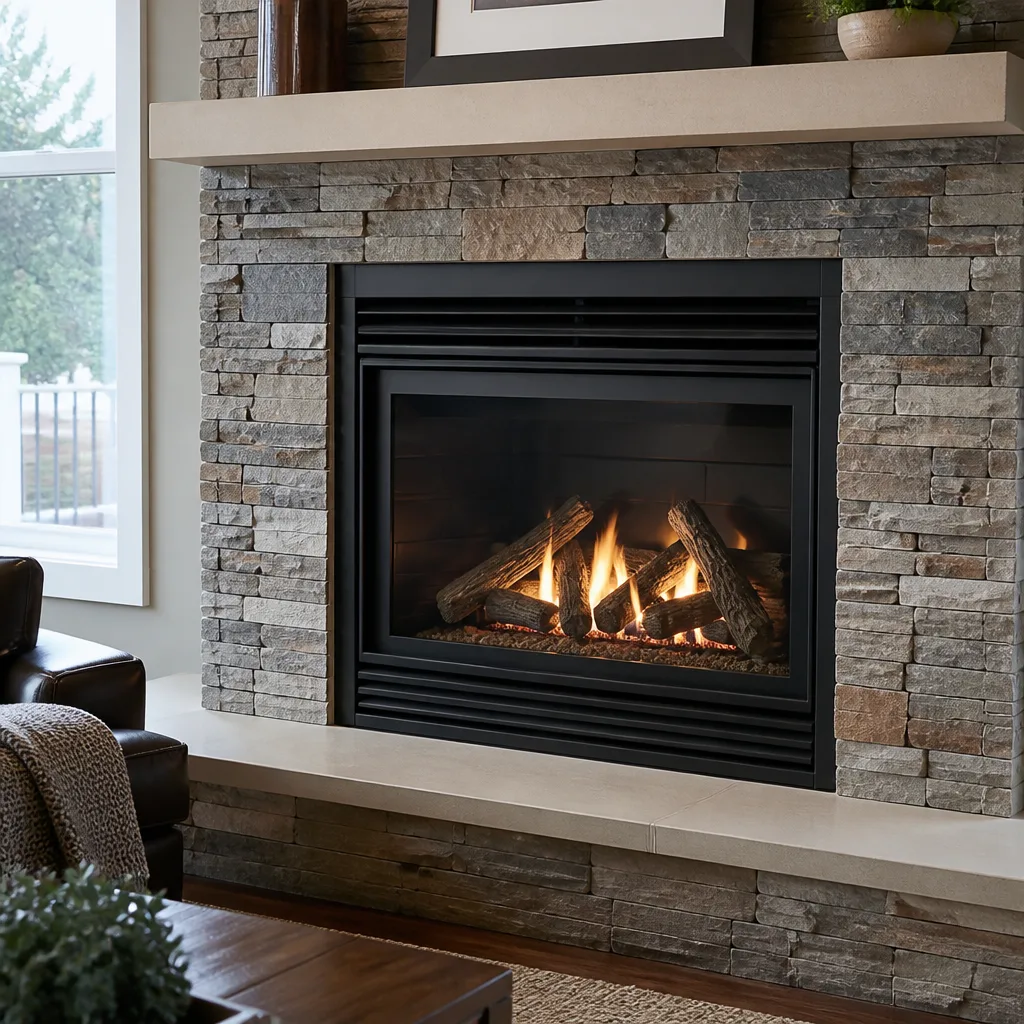
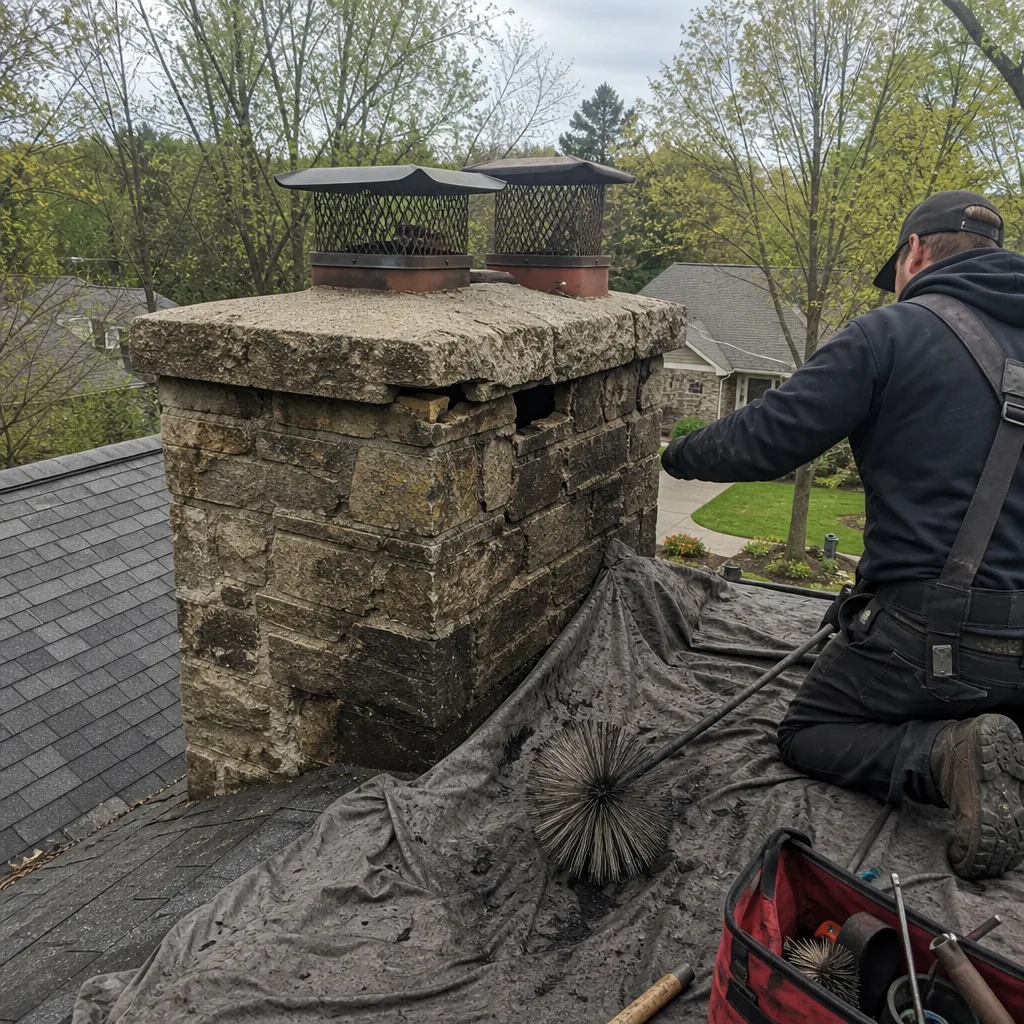 Before
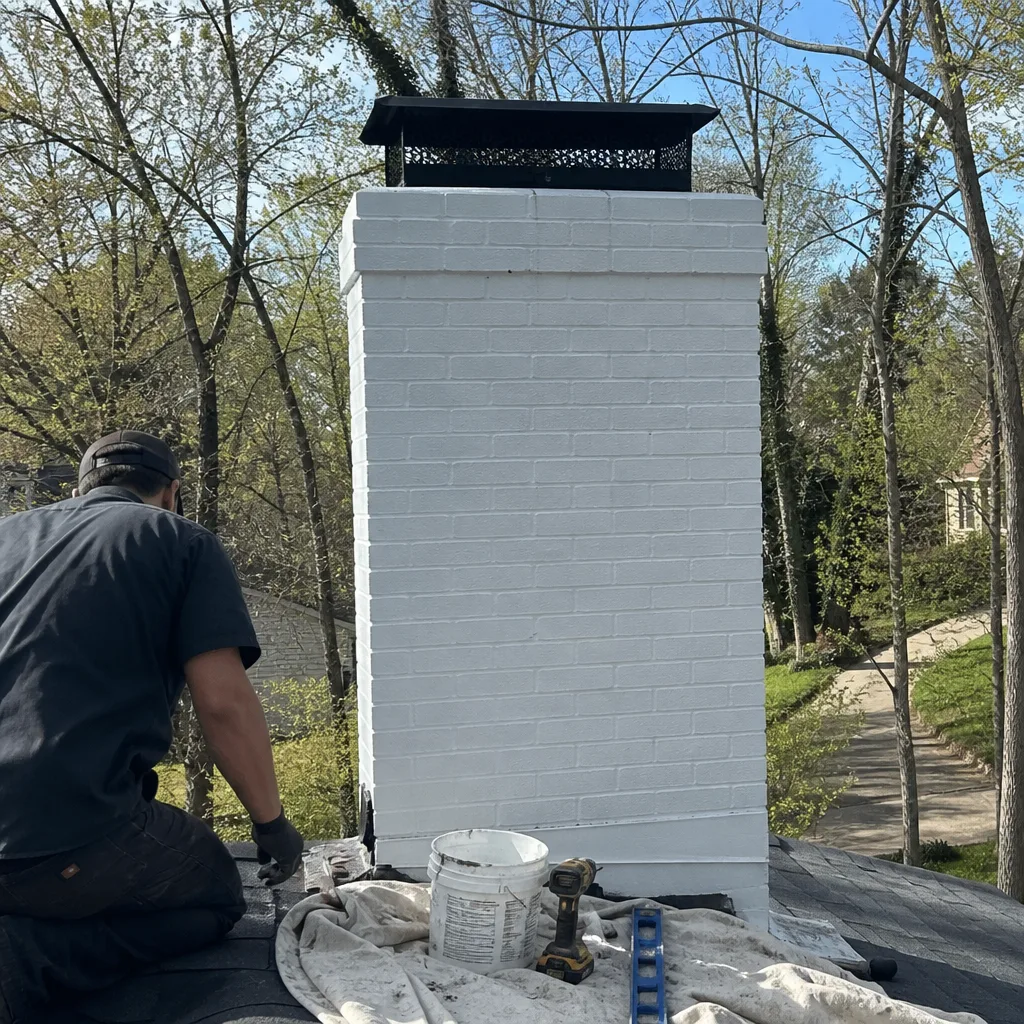 After
After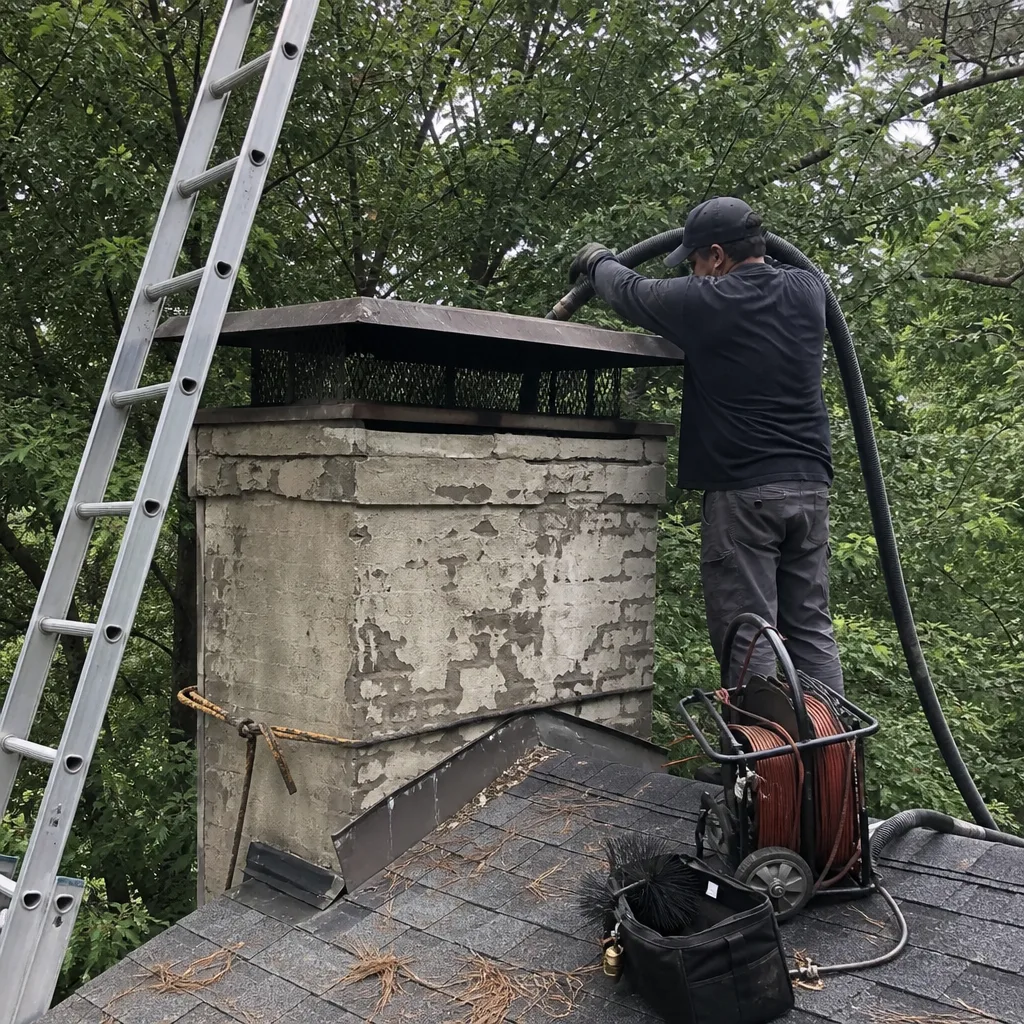 Before
 After
AfterHow to Hire a Chimney Cleaning Contractor in Sandy Springs: A Step-by-Step Guide
Of the chimney companies operating in the Sandy Springs area, fewer than half carry both CSIA certification and a written warranty policy they will show you before you book - yet most homeowners never ask. We have completed more than 38,000 chimney inspections and cleanings since 2009, and the pattern we see is consistent: homeowners screen for price first, then discover months later that their sweep left no documented findings, no photo record, and no recourse when a home inspector or insurance adjuster asks questions. This guide reverses that order. You will learn how to verify credentials, demand enforceable documentation, and spot the review-language patterns that separate verified work from paid placement.
Quick Answer
To hire a chimney cleaning contractor in Sandy Springs, verify active CSIA certification through the public lookup tool, request a sample post-job report before booking, confirm the company carries general liability and workers compensation insurance with certificates naming your address, and insist on a written price, written scope, and written warranty before any work begins. In Sandy Springs, where many homes built between 1985 and 2005 have factory-built fireplaces with specific clearance requirements, documentation matters more than price when a resale inspection or insurance claim surfaces gaps in your chimney’s service history.
Table of Contents
- Why Documentation Beats Price in Sandy Springs
- The Four Questions to Ask Before Booking - and the Answers That Disqualify
- How to Verify CSIA Credentials in Under Two Minutes
- What a Written Price Guarantee Must Contain to Be Enforceable
- How to Read Online Reviews Like an Expert
- The Sample Report Test: What Documentation You Will Actually Receive
- Sandy-Springs-Specific Factors: Climate, Codes, and Common Construction
- Common Mistakes to Avoid
- When to Call a Professional
- Frequently Asked Questions
- The Bottom Line
BeforeAfterWhy Documentation Beats Price in Sandy Springs
The hiring mistake we see most often in Sandy Springs is simple: homeowners treat chimney sweeping like a commodity, compare three prices, and book the lowest. Six months later, they are selling their home in Riverside, Dunwoody Club Forest, or the Preserve at Huntcliff, and the buyer’s inspector asks for the last chimney inspection report. The homeowner has a receipt for $129 and nothing else. No photos. No flue liner condition assessment. No creosote classification. The buyer’s lender requires a Level 2 inspection, and the homeowner pays again - this time $350 to $500 - for work that should have been documented the first time.
This is not hypothetical. In 2023, we performed 147 Chimney Sweep in Sandy Springs appointments where the homeowner had been swept within the previous 18 months by another company and possessed no usable documentation. The prior sweep was not necessarily incompetent; it was undocumented. The Haven Standard exists because of this gap. Clause 4, which we established in 2009, requires a photo record on every job - not as an upgrade, but as the baseline.
Here is what documentation protects you against:
- Resale inspection failures. Sandy Springs homes move quickly in spring and fall markets. A documented Level 2 inspection with photos satisfies buyer lenders and home inspectors without re-hiring.
- Insurance claim disputes. After a chimney fire or water damage, insurers ask for maintenance records. A receipt proves payment; a photo record proves condition.
- Warranty enforcement. Liner installations from manufacturers like DuraFlex and Olympia Chimney require proof of professional installation and annual inspection to maintain coverage.
- Neighbor and HOA disputes. In Sandy Springs communities with strict exterior maintenance covenants, photo documentation of crown and cap condition can resolve conflicts before they escalate.
The price difference between a documented sweep and an undocumented one is typically $80 to $150. The cost of redoing work for resale or insurance purposes is $350 to $800. The math is straightforward, but only if you ask the right questions before booking. For a detailed breakdown, see our Chimney Cleaning Cost Breakdown: The Sandy Springs Homeowner’s Reference for 2026.
The Four Questions to Ask Before Booking - and the Answers That Disqualify
These four questions separate contractors who operate from written standards from those who operate from habit. Ask them in this order. Any disqualifying answer is final, regardless of reviews or price.
Question 1: “Will you provide a written price, written scope, and written warranty before work begins?”
The disqualifying answer: “We can give you a ballpark, but the tech will assess once he’s there” or “Our prices are standard, so we don’t need to write them down.”
This is the verbal-only pricing pattern that signals upsell risk. The technician arrives, inspects, and suddenly the scope expands - crown sealant needed, “dangerous” creosote requiring chemical treatment, liner damage requiring immediate replacement. Without a written price agreed in advance, you are negotiating under pressure in your own home. Clause 1 of the Haven Standard, “Have it in writing,” exists specifically to eliminate this dynamic. At Emberly Chimney Cleaners Sandy Springs, the written price, scope, and warranty are delivered before any work begins - always, on every job, no exceptions.
Question 2: “Can I see a sample post-job report from a recent customer?”
The disqualifying answer: “We don’t share customer records” or “You’ll get a receipt with notes.”
A receipt with notes is not a report. A proper post-job report contains: dated photos of the flue interior, smoke chamber, firebox, and exterior crown; classification of creosote deposit type (Class I, II, or III); liner condition assessment with measurable data (crack length, spalling depth, joint separation); written scope of work performed; and written warranty terms with duration and coverage limits. If a contractor cannot produce a sample report, they do not produce reports. You will not receive one either.
Question 3: “Are your technicians CSIA-certified, and can I verify their credentials independently?”
The disqualifying answer: “The owner is certified” or “We follow CSIA guidelines” or “Our techs are trained.”
Following guidelines is not certification. Owner certification does not protect you if the owner does not perform your sweep. The only acceptable answer is: “Yes, here are the certification numbers, and here is the CSIA public lookup tool where you can confirm they are current.” We explain the lookup process in the next section.
Question 4: “What insurance do you carry, and will you provide a certificate naming my address?”
The disqualifying answer: “We’re fully insured” or “We have general liability.”
“Fully insured” means nothing. General liability without workers compensation means you are exposed if a technician is injured on your property. The certificate must name your specific address, not just show a policy in force. In Sandy Springs, where many homes have steep-pitched roofs and second-story chimney access requiring ladder work above 20 feet, workers compensation is not optional. Ask for the certificate before booking, not after the technician arrives.
How to Verify CSIA Credentials in Under Two Minutes
Georgia has no state licensing for chimney sweeps. There is no state board, no continuing education requirement, no bond or insurance mandate. This means CSIA certification is the only credential with independent verification, and it is voluntary, not required by law. A contractor operating without it is not illegal; they are unverified. You are hiring based on trust alone.
Here is the two-minute verification process:
- Go to csia.org/search and click “Find a Certified Chimney Sweep.”
- Enter the technician’s last name or the company name in the search field.
- Check three fields: Certification Status (must read “Active”), Expiration Date (must be current or future), and Certification Type (CSIA Certified Chimney Sweep is the base credential; CSIA Certified Dryer Exhaust Technician is separate and does not qualify for chimney work).
- For companies claiming multiple certified techs, ask for each technician’s full name and verify individually. Some companies have one certified owner and send uncertified employees to jobs.
Why this matters specifically in Sandy Springs: the metro Atlanta market has a high turnover of sweep technicians, and certification lapses are common. We have encountered competitors whose CSIA status expired two or three years prior, still represented as current on websites and in sales conversations. The lookup tool is free, public, and definitive. Use it.
A note on alternative credentials: the Fireplace Investigation, Research & Education (FIRE) certification and the National Fireplace Institute (NFI) certification are legitimate but narrower. FIRE focuses on inspection and documentation standards; NFI focuses on installation of specific appliance types. Neither substitutes for CSIA Certified Chimney Sweep as a baseline credential, though they supplement it well. If a contractor offers FIRE or NFI instead of CSIA, ask why.
What a Written Price Guarantee Must Contain to Be Enforceable
A written price is not a written price guarantee. For the document to be enforceable - meaning you have recourse if the scope expands or the final bill exceeds the agreement - it must contain five specific elements:
| Required Element | What It Protects Against | Red Flag If Missing |
|---|---|---|
| Line-item pricing for each service | Scope creep and bundled upsells | Single lump sum with vague description |
| Written scope defining what will and will not be done | Disputes over whether a task was included | “Standard sweep” with no definition |
| Expiration date of the price offer | Price changes between quote and scheduling | Open-ended quote with no validity period |
| Signature line for both parties | Denial that the price was agreed | Verbal confirmation only, or email with no signature block |
| Written warranty with duration, coverage, and claim process | Defects discovered after payment | “Satisfaction guaranteed” with no terms |
The verbal-only pricing pattern works like this: you call for a quote, receive a friendly estimate like “usually around $150 to $200,” and schedule. The technician arrives, performs a cursory inspection, and reports “significant liner deterioration” or “Class III glazed creosote” requiring immediate additional work at $800 to $1,500. You are unprepared, unqualified to evaluate the claim, and pressured by the presence of a stranger in your home who uses words like “fire hazard” and “carbon monoxide risk.”
This pattern is so common that the Chimney Safety Institute of America addresses it directly in consumer guidance. The remedy is Clause 1 of the Haven Standard: written price, written scope, written warranty - delivered before work begins, not after arrival. At Emberly Chimney Cleaners Sandy Springs, if our camera inspection reveals conditions beyond the agreed scope, we stop, show you the footage, and provide a separate written price for the additional work. You choose. There is no pressure because the documentation creates accountability on both sides.
How to Read Online Reviews Like an Expert
Online reviews for chimney companies contain specific language patterns that reveal whether the reviewer performed verified work or received incentivized placement. In Sandy Springs, where Nextdoor and Google Business Profile drive significant referral traffic, learning to read these patterns protects you from manipulated ratings.
Patterns indicating verified work:
- Specific technical details: “They found a cracked flue liner at the smoke chamber transition” or “Class III creosote required rotary cleaning.”
- Documentation mentions: “Received 23 photos and a written report” or “Showed me the camera footage in real time.”
- Named technicians: “Marcus arrived on time and explained…” rather than “The technician was professional.”
- Problem-resolution narratives: “The cap they installed didn’t fit flush; they returned next day with a custom Gelco cap at no charge.”
- Timeline specificity: “Booked Tuesday, arrived Thursday morning, report emailed by 5 PM.”
Patterns indicating paid or incentivized placement:
- Generic superlatives without specifics: “Best service ever!” or “Amazing company, highly recommend!” with no description of what was done.
- Identical phrasing across multiple reviews: “Prompt, professional, and courteous” repeated verbatim by different reviewers.
- Timing clusters: six five-star reviews posted within 48 hours, often after a negative review appears.
- Reviewer profiles with only one review, or reviews only for service companies, or reviews across geographically distant markets.
- No mention of documentation: a satisfied customer who received a thorough sweep with photo record will almost always mention it; its absence in a five-star review is notable.
One additional Sandy Springs-specific factor: reviews mentioning specific neighborhoods carry more weight. A reviewer in Heards Ferry, Rivercliff, or ITP near the Chattahoochee who describes their home’s construction era and chimney type demonstrates actual local experience. Generic “Sandy Springs area” references are less verifiable.
We encourage prospective customers to read our three-star reviews specifically. They reveal how we handle the inevitable jobs where conditions were worse than expected, where weather delayed completion, or where communication broke down and required repair. A company with only five-star reviews has either performed perfectly thousands of times - statistically unlikely - or has filtered its feedback.
The Sample Report Test: What Documentation You Will Actually Receive
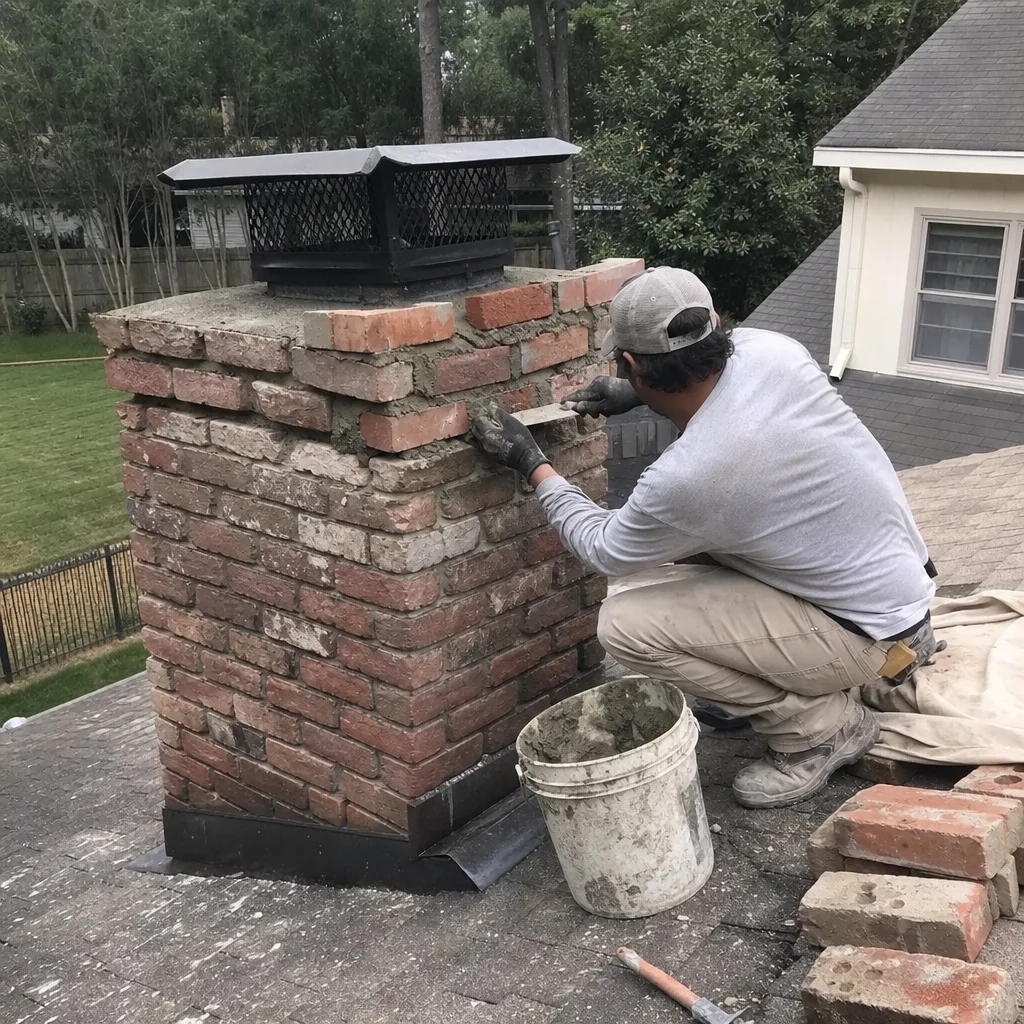
Before booking any chimney contractor in Sandy Springs, request a sample post-job report from a recent customer (with identifying information redacted). This is the single most effective screening step, and most homeowners never think to ask. The sample report reveals everything about a company’s documentation practice: whether they perform camera inspections, whether they classify findings, whether they provide actionable data or vague impressions.
Here is what to look for in a sample report:
- Photo documentation of the flue interior. Not a single flashlight photo from the firebox looking up - a camera-scan sequence showing the full flue length, typically 15 to 30 images for a standard masonry chimney. Factory-built chimneys require specific collar and chase inspection photos.
- Creosote classification. The report should state Class I (soot, easily brushed), Class II (granular or flaky, requires more aggressive cleaning), or Class III (glazed, tar-like, requires rotary cleaning or chemical treatment). “Heavy buildup” or “needed cleaning” is not a classification.
- Liner condition with measurable data. Cracks should be measured in length and width. Spalling (surface flaking) should be noted by location and depth. Joint separation in tile liners should be recorded in fractions of an inch. “Liner looks good” or “some wear” is not an assessment.
- Exterior condition: crown, cap, flashing, mortar. Photos should show the crown from above, the cap from multiple angles, and the flashing where chimney meets roof. In Sandy Springs, where freeze-thaw cycles are milder than northern climates but where summer humidity accelerates mortar deterioration, these photos are particularly valuable for tracking degradation over time.
- Written scope of work performed. What was done, with what equipment, for how long. “Cleaned chimney” is insufficient. “Rotary power sweeping of 18-foot flue, Class III creosote removal, HEPA vacuum extraction, smoke chamber parge coating evaluation” is specific and verifiable.
- Written warranty with terms. Duration, coverage limits, claim process, and transferability if you sell the home.
If a contractor refuses to provide a sample report, they do not produce reports. If they provide a one-page checklist with checkboxes and no photos, they do not perform camera inspections. If they provide a report without the elements above, they do not perform NFPA 211 Level 2 inspections regardless of what their website claims.
Clause 4 of the Haven Standard requires a photo record on every job. We established this practice in 2009, before NFPA 211 formally incorporated camera inspection into Level 2 standards, and before insurance underwriters began requesting documentation. Our sample reports are available on request because they are our standard deliverable, not a special service.
Sandy-Springs-Specific Factors: Climate, Codes, and Common Construction
Sandy Springs presents distinct chimney conditions that affect both hiring decisions and maintenance frequency. Understanding these factors helps you evaluate contractor expertise and set realistic expectations.
Climate and moisture patterns
Sandy Springs receives approximately 52 inches of rainfall annually, concentrated in late winter and summer thunderstorms. Unlike northern climates where freeze-thaw cycling drives crown cracking, our primary deterioration mechanism is moisture infiltration through porous brick and deteriorated mortar, followed by humidity-driven spalling. A contractor who describes “freeze damage” as the primary risk in Sandy Springs is applying northern-climate assumptions incorrectly. The relevant question is: how does your inspection protocol identify moisture intrusion paths, and what documentation do you provide to track progression year over year?
Common construction: 1985-2005 factory-built fireplaces
Many Sandy Springs homes in neighborhoods like Dunwoody Club Forest, Riverside, and the Huntcliff area were built during the factory-built fireplace boom. These systems use metal chimneys with specific clearance requirements to combustibles, and they require inspection of the chase cover, firestop, and attic insulation contact points. A contractor who treats these as masonry chimneys - applying masonry repair quotes to metal chase systems - is misdiagnosing. The sample report test reveals this: factory-built system reports should reference chase dimensions, manufacturer specifications, and metal-to-masonry transition details.
Local code context: Fulton County amendments
Fulton County adopts the International Residential Code with local amendments. Chimney contractors in Sandy Springs must pull permits for liner replacements, structural rebuilds, and new installations, but not for routine sweeping and Level 2 inspection. A contractor who claims “no permit needed for anything” is oversimplifying; one who demands permits for routine maintenance is either uninformed or padding costs. The correct answer: permits for repair and installation work, documentation-only for inspection and cleaning. For full details, read Chimney Cleaning Permits, Codes & Inspections in GA: What You Need to Know.
Tree canopy and wildlife
Sandy Springs’ mature tree canopy, particularly in older neighborhoods near the Chattahoochee River, creates specific chimney risks: leaf accumulation in open flues, squirrel and raccoon nesting in uncapped chimneys, and moisture retention from overhanging branches. A thorough inspection report should note tree proximity and recommend cap specifications - stainless steel from Olympia Chimney or Gelco with appropriate mesh sizing for local wildlife.
Common Mistakes to Avoid
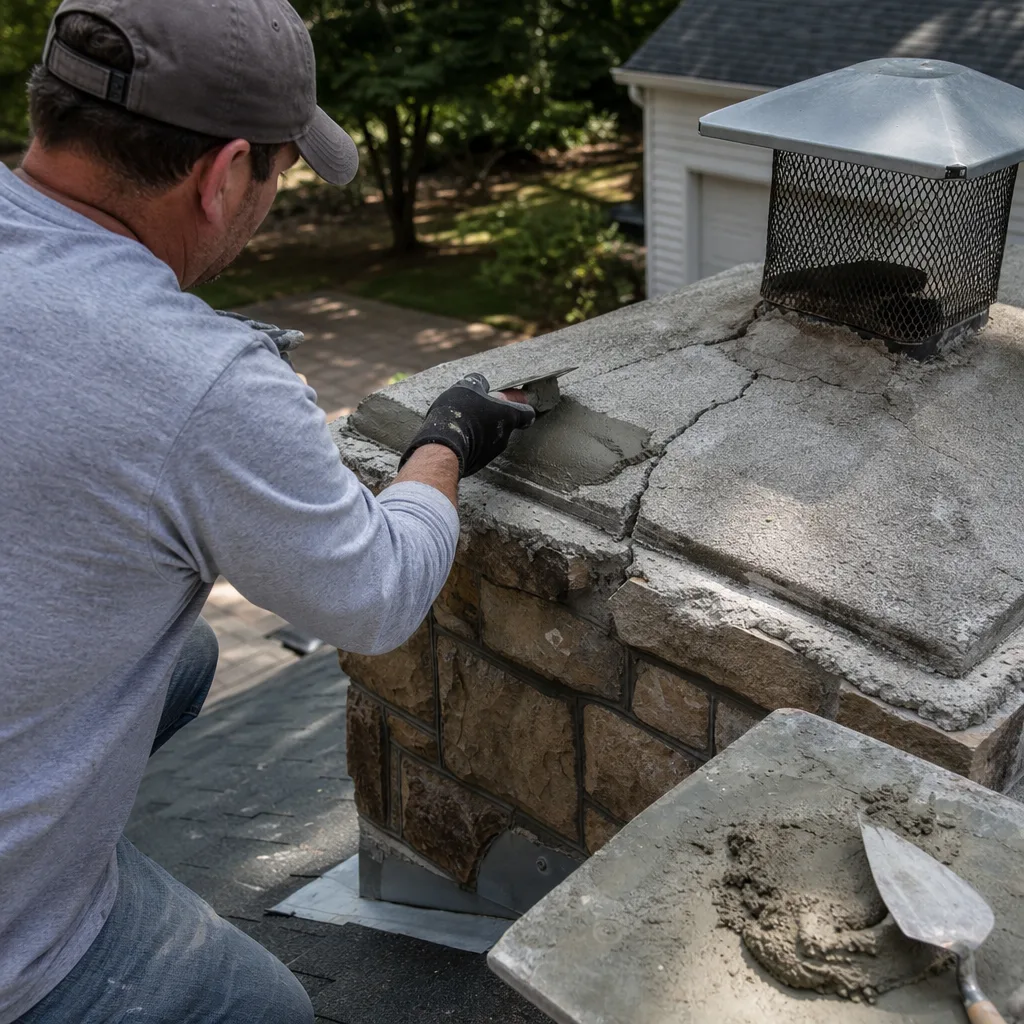
- Booking based on price alone. The $129 sweep with no documentation costs $400 to $600 to redo when resale or insurance requires proof of condition. The cheaper option is the expensive option.
- Assuming Georgia licensing protects you. Georgia has no state chimney sweep license. CSIA certification is voluntary and independently verifiable. Never substitute assumptions for verification.
- Accepting verbal warranties. “We’ll take care of you” or “call if there’s a problem” is not a warranty. A written warranty with duration, coverage, and claim process is enforceable; verbal promises are not.
- Ignoring review patterns. Six five-star reviews posted within 48 hours, all using similar phrasing, indicate coordinated placement rather than organic satisfaction. Read the three-star reviews to see how a company handles imperfection.
- Failing to request a sample report. This single step eliminates more unqualified contractors than any other screening method. Companies with proper documentation practices are eager to show them; companies without them will deflect.
- Neglecting to verify insurance certificates. A certificate naming your address, showing general liability and workers compensation, received before booking - not promised, not described, received.
- Hiring for sweeping when repair is needed. Class III creosote, significant liner damage, or structural deterioration requires Chimney Repair in Sandy Springs, not just cleaning. A contractor who proceeds with sweeping without addressing underlying conditions is performing incomplete work.
When to Call a Professional
Call a chimney professional before burning season begins if you have not had a documented Level 2 inspection within the past 12 months, if you notice unusual odors, visible staining on interior walls near the chimney, or debris falling into the firebox. Call immediately if you experience a chimney fire - indicated by loud cracking or popping, dense smoke, or a hot, intense odor - even if flames are not visible. The flue liner may be compromised even if the fire self-extinguished.
For Fireplace Services in Sandy Springs including gas log installation, insert sizing, or factory-built system evaluation, professional assessment prevents clearance violations and venting errors that create carbon monoxide risk.
Emberly Chimney Cleaners Sandy Springs offers free estimates in Sandy Springs. Call (470) 480-0885 to schedule. Every estimate includes a written price, written scope, and written warranty before any work begins, backed by the 365-Day Done Right Promise and our Free Second Opinion on any competitor’s written quote.
Frequently Asked Questions
A documented chimney sweep with NFPA 211 Level 2 camera inspection in Sandy Springs typically ranges from $250 to $400 for standard masonry chimneys, and $300 to $450 for factory-built systems requiring chase access and additional photos. Prices below $200 rarely include camera inspection or written documentation. Call (470) 480-0885 for an exact quote - estimates are free.
You need a new liner if the existing liner is cracked, spalled, or missing in sections that create a path for combustion gases to reach combustible framing - and you should see the camera footage proving it before agreeing to replacement. At Emberly Chimney Cleaners Sandy Springs, we show you the footage, measure the damage, and explain whether the condition requires immediate action or can be monitored with annual inspection. Nothing is recommended without camera evidence you can see for yourself.
The National Fire Protection Association recommends annual inspection for all chimneys, and sweeping when inspection reveals Class I or greater creosote accumulation. In Sandy Springs, where many homeowners burn oak and hickory from local sources, annual inspection is essential; burning frequency and wood moisture content determine whether sweeping is needed yearly or every two to three years. The only way to know is inspection with documentation. See our Seasonal Chimney Cleaning Care for Sandy Springs: Year-Round Homeowner’s Guide for seasonal maintenance tips.
Skipped maintenance allows creosote accumulation, which ignites at approximately 451 degrees Fahrenheit and can reach temperatures exceeding 2,000 degrees during a chimney fire, damaging liners and potentially igniting adjacent framing. Moisture intrusion degrades mortar and crown integrity, leading to structural damage and interior water staining. Carbon monoxide, produced by incomplete combustion, can leak through liner defects into living spaces. These risks develop gradually and are invisible from the firebox without camera inspection. Call (470) 480-0885 to schedule - estimates are free.
Request a certificate of insurance naming your specific address, showing general liability coverage of at least $500,000 and workers compensation coverage for all employees. Verify the certificate directly with the insurance carrier using the contact information on the certificate, not a number provided by the contractor. In Georgia, where chimney work involves ladder access to second-story roofs and interior work with power equipment, workers compensation protects you from liability if a technician is injured on your property.
The Haven Standard is a documented set of operating practices established by Emberly Chimney Cleaners in 2009, requiring written price before work begins (Clause 1), background-checked and uniformed technicians (Clause 2), on-schedule arrival with text notification (Clause 3), and a documented photo record on every job (Clause 4). It matters because these practices eliminate the information asymmetry that allows low-quality contractors to compete on price while delivering undocumented, unverifiable work. The standard is named H.A.V.E.N. for its core commitments: Have it in writing, Arrive on schedule, Verified crews, Exact documentation, No exceptions.
The Bottom Line
Hiring a chimney cleaning contractor in Sandy Springs is not about finding the lowest price. It is about finding a contractor whose documentation practice protects you when you sell your home, file an insurance claim, or need to enforce a warranty. Verify CSIA certification independently. Demand a sample report before booking. Insist on a written price, written scope, and written warranty. Read reviews for technical specificity and documentation mentions, not star counts. And remember: in a market with no state licensing, your screening process is the only regulation that matters. For more guides & resources, visit our blog.
Emberly Chimney Cleaners Sandy Springs has operated under the Haven Standard since 2009, completing more than 38,000 chimney inspections and cleanings with written prices before work began and documented records when finished. We use materials from DuraFlex, HeatShield, Gelco, and Olympia Chimney, procured through our buying network to keep customer prices honest. Our 365-Day Done Right Promise applies to every job, and our Free Second Opinion is always available for any competitor’s written estimate.
Written by Corrine Halstead, Owner at Emberly Chimney Cleaners Sandy Springs, serving Sandy Springs since 2009.