
Last updated September 21, 2026
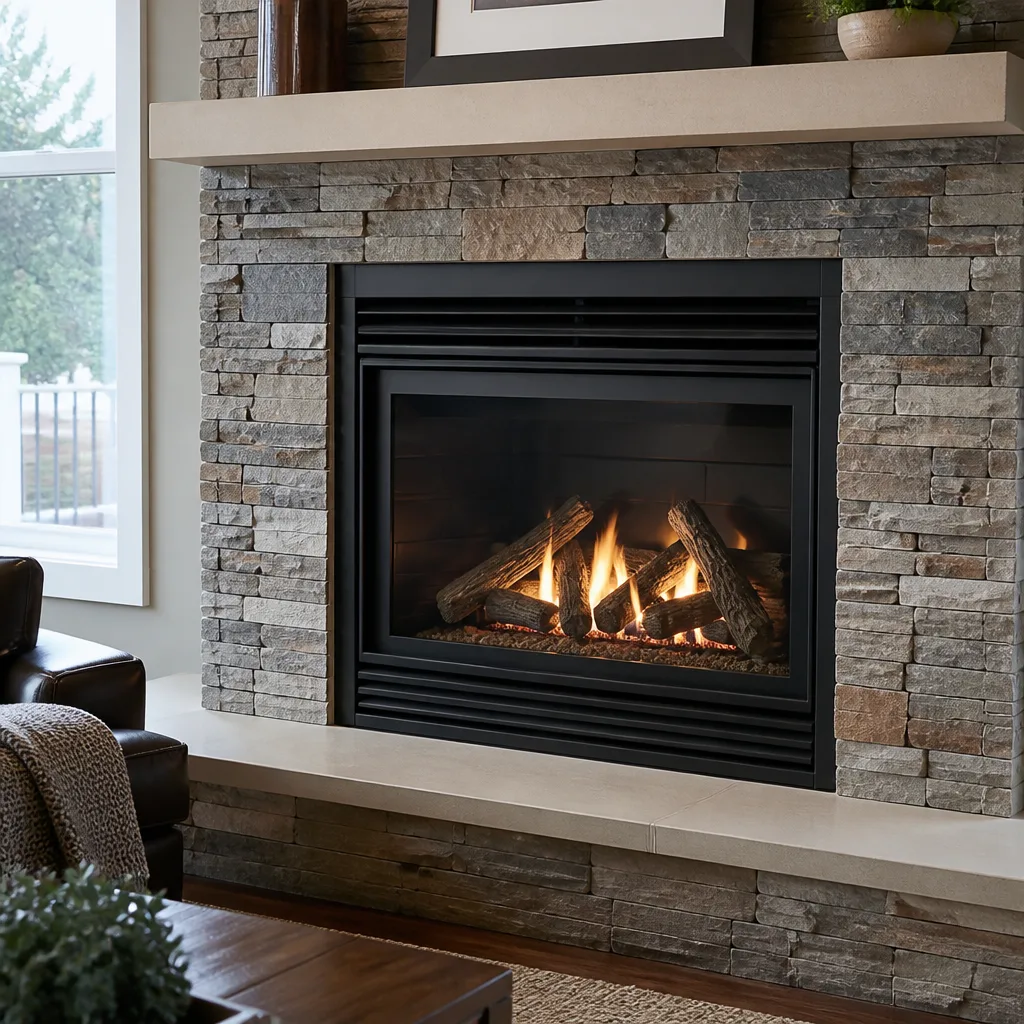
Level 1 sweep and inspection to the NFPA 211 annual standard - flue, crown, cap, and flashing checked and photographed
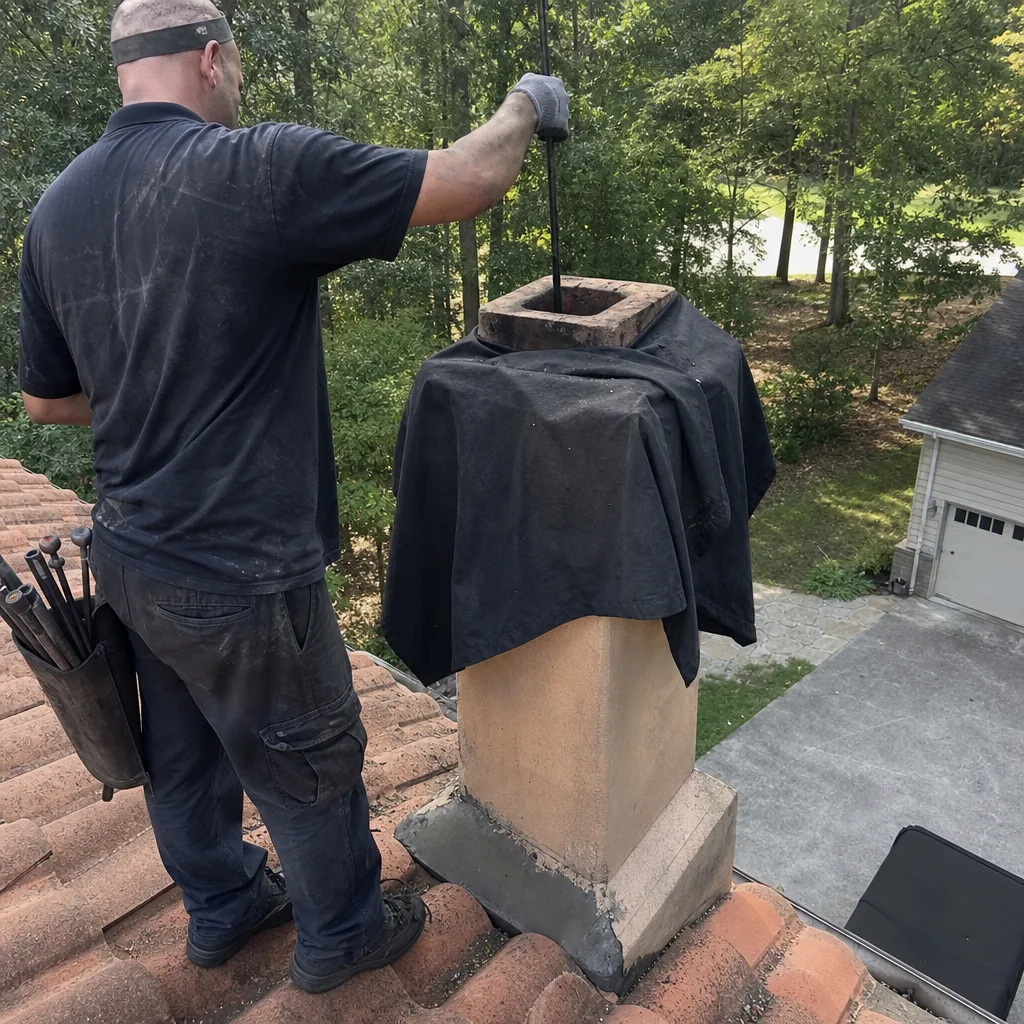
Chimney sweep logs do not sweep chimneys. They loosen some creosote - which then falls where a brush and vacuum still have to collect it.
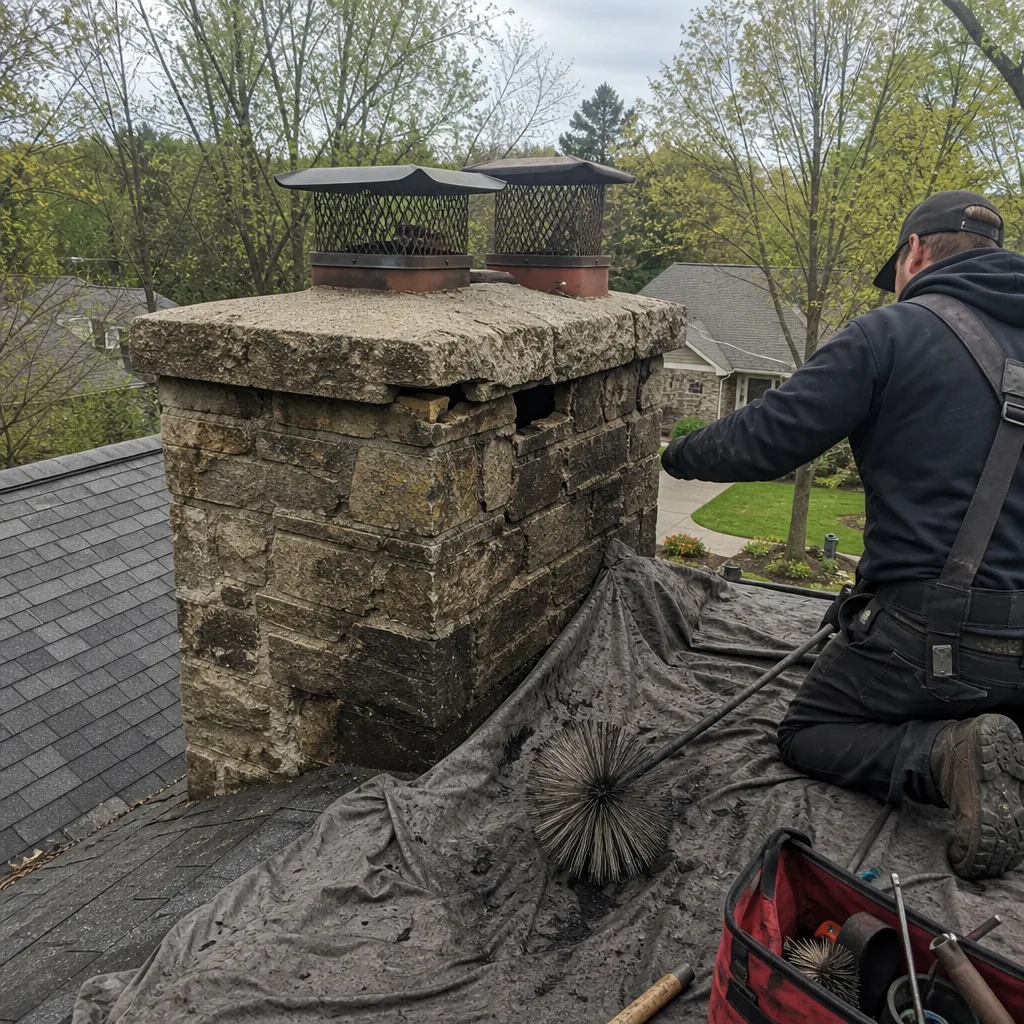 Before
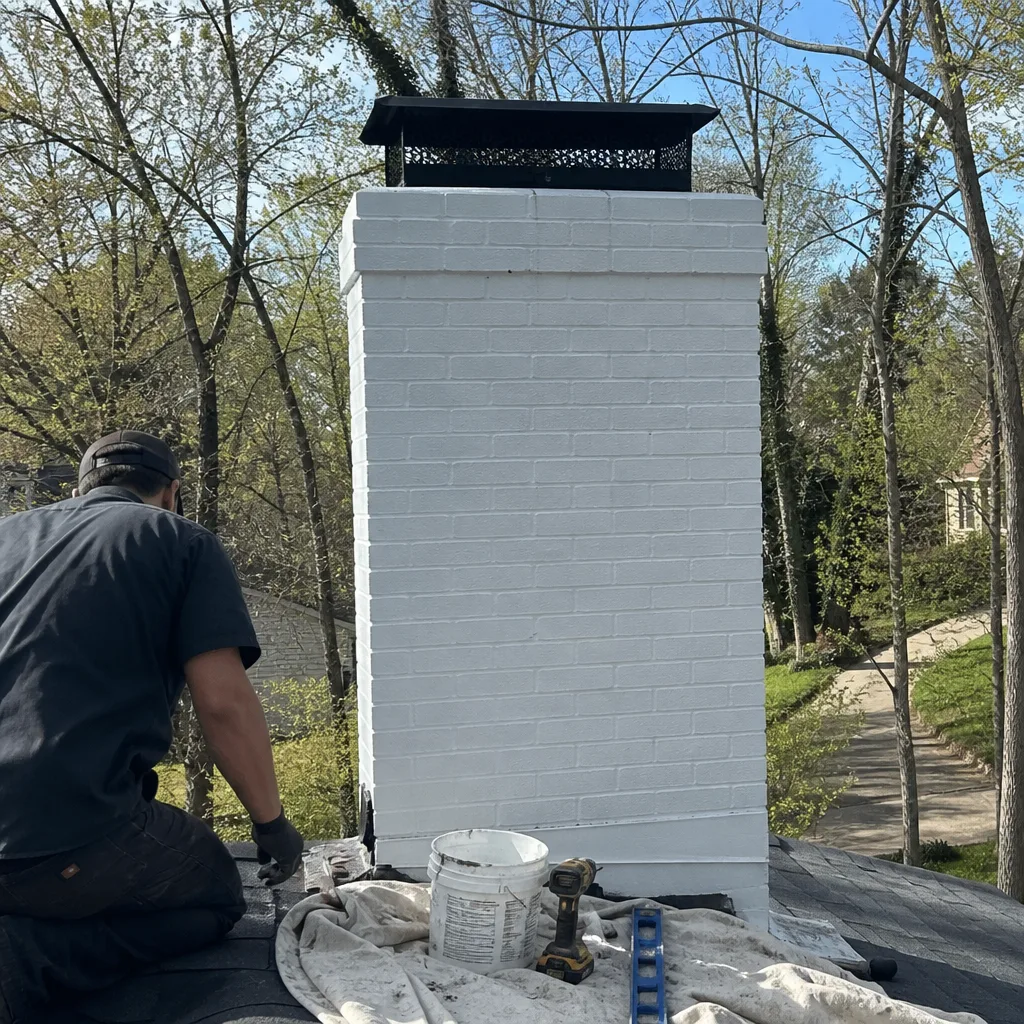 After
After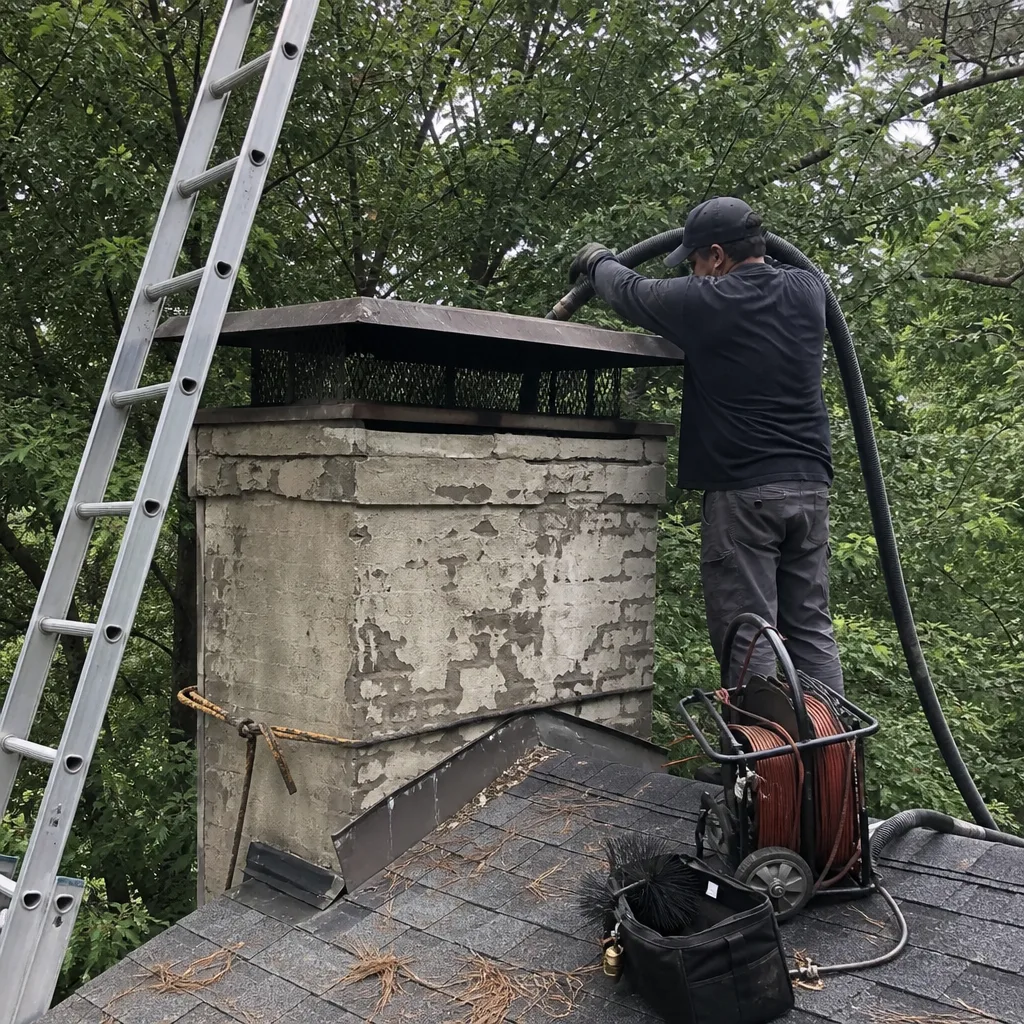 Before
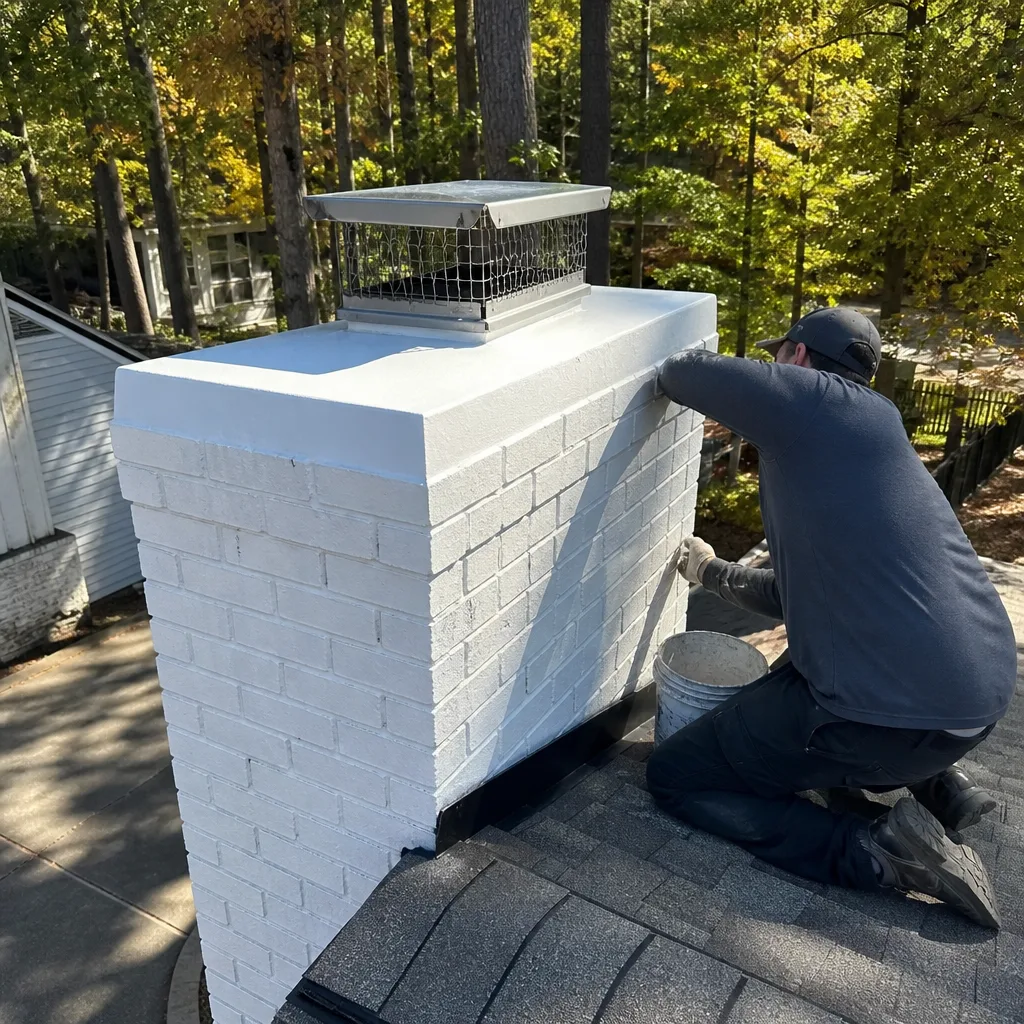 After
AfterSeasonal Chimney Cleaning Care for Sandy Springs: Year-Round Homeowner’s Guide
Sandy Springs averages nearly 50 inches of rain per year, and most of that moisture enters masonry chimneys during the seven months homeowners aren’t using them. Summer does more structural damage than winter fire use in many local systems we inspect. In this guide, you’ll learn why timing your chimney sweep matters more in Sandy Springs than in drier climates, how to read the seasonal warning signs specific to metro Atlanta masonry, and what documentation to keep so your maintenance record holds up at resale. For more guides & resources, see our blog.
Quick Answer
Chimney cleaning in Sandy Springs requires two strategic service windows: a Level 2 camera inspection in late summer to catch humidity damage before burn season, and a post-season sweep in March to remove creosote and ash before spring pollen and moisture accelerate masonry decay. See our Chimney Sweep Maintenance Checklist for Sandy Springs Homeowners for the full seasonal timeline. A single annual sweep timed for convenience - usually November - misses half the annual risk cycle.
Table of Contents
- How Sandy Springs Summers Destroy Chimneys From the Inside
- Fall Timing Strategy: Why October Beats November
- The Compressed Burn Season: Managing Creosote in a Short Winter
- Spring Post-Season Tasks for Georgia Humidity
- Moisture Intrusion vs. Creosote Staining: How to Tell Them Apart
- The Year-Round Documentation Rhythm
- Common Mistakes to Avoid
- When to Call a Professional
- Frequently Asked Questions
BeforeAfterHow Sandy Springs Summers Destroy Chimneys From the Inside
Most homeowners in Sandy Springs think chimney damage happens during winter. In our experience inspecting thousands of systems across the Atlanta metro, the opposite is true. From May through September, when your fireplace sits cold, humidity cycles through the flue dozens of times per week. Each cycle deposits moisture on the liner surface, and that moisture carries dissolved acids from previous combustion.
The failure sequence follows a predictable pattern we’ve documented since 2009:
- Cap failure or absence. A missing or damaged chimney cap - common after spring storms in Sandy Springs - lets rain enter directly. Even with a cap, wind-driven rain penetrates cracked crown mortar.
- Liner surface degradation. Clay flue tiles absorb moisture at the mortar joints. In high-humidity summers, evaporation is slow enough that water remains in contact with the liner for days. We see spalling (surface flaking) accelerate from negligible to measurable between annual inspections when summers are wet.
- Smoke chamber saturation. The area above the firebox, called the smoke chamber, collects condensation that mixes with residual soot. This creates mild acids that etch parged surfaces. In Sandy Springs homes built 1980-2010 with corbeled brick smoke chambers, we’ve found this etching reduces draft efficiency by 15-25 percent before homeowners notice any visible symptom.
- Freeze-thaw preparation. Water that enters in August and remains trapped will expand with the first cold snap. Sandy Springs typically sees its first freeze in late November, often before the first fire is lit. The resulting cracks are discovered only when the Level 2 camera goes down the flue in October - or when smoke backs up on Thanksgiving.
The specific risk in Sandy Springs is the combination of high summer humidity and the area’s frequent afternoon thunderstorms. A chimney that dries completely in Arizona or Colorado may never dry fully during a Sandy Springs July. We’ve inspected systems in the Riverwood and Huntcliff neighborhoods where the flue liner showed active moisture readings in late September, six weeks after the last significant rain.
Early camera inspection catches this. Clause 4 of the Haven Standard requires a photo record on every job, and that documentation becomes critical for tracking seasonal progression. When we return to a Sandy Springs home in year two, we compare liner surface images pixel-for-pixel. The change is often visible before any crack is wide enough to feel with a fingertip.
What to schedule: A Level 2 inspection in August or early September, before the first cold front. This is not a sweep - it’s a camera evaluation of what summer did. If damage is found, repairs can be completed before October demand peaks. Chimney Repair in Sandy Springs covers the specific repair protocols we follow.
Fall Timing Strategy: Why October Beats November
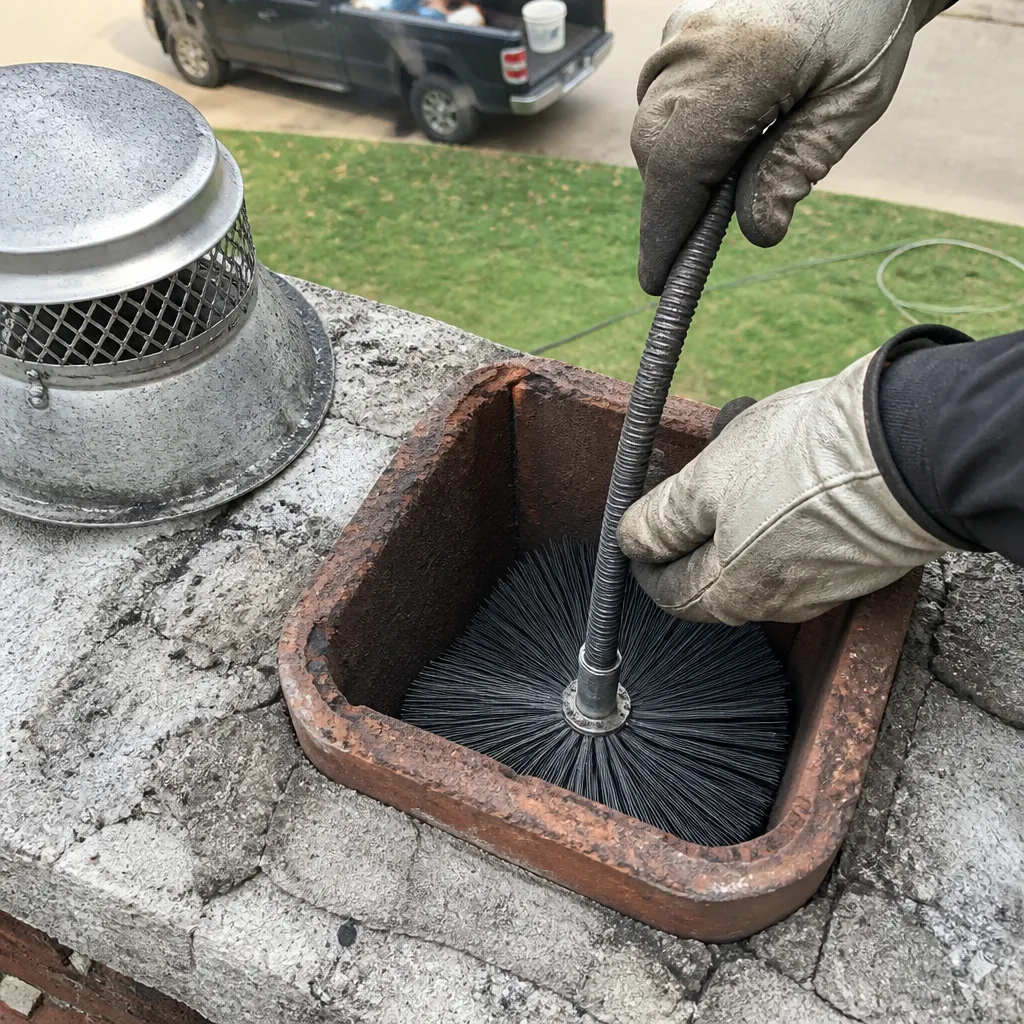
In Sandy Springs, the gap between “first cold night” and “first fire” is often less than two weeks. Homeowners who wait until November to book their sweep face three simultaneous pressures: compressed demand, higher likelihood of discovering damage that delays first use, and the psychological pressure to “just get it done” before holiday hosting.
Here’s how the October advantage breaks down in our local market:
- Booking availability. Our October calendar in Sandy Springs typically has 40-50 percent more open slots than November. The difference narrows each year as more homeowners learn the pattern, but the gap remains significant.
- Repair lead times. If the Level 2 inspection reveals liner damage, crown cracking, or a compromised smoke chamber, parts need ordering. A Gelco or Famco cap ships quickly, but a custom-fabricated chase cover or a HeatShield smoke chamber seal requires scheduling. October discovery means November completion. November discovery means December delay - or a cold Thanksgiving.
- Pricing stability. We don’t surge-price, but many Sandy Springs contractors do. October estimates reflect standard labor rates. November estimates, especially after the first freeze warning, often carry urgency premiums.
- Summer damage addressed pre-fire. The moisture intrusion described above? It’s still active in early October. Catching it before first fire prevents the “steam event” - when residual moisture flash-evaporates on contact with hot flue gases, accelerating liner thermal shock.
The ideal October sequence for a Sandy Springs homeowner:
- Week 1-2: Schedule Level 2 inspection with camera scan
- Week 2-3: Review photo documentation, written scope, and written price for any needed repairs
- Week 3-4: Complete sweep and any approved repairs
- First freeze: Light first fire with documented, verified system
We’ve applied this sequence to more than 38,000 chimney inspections and cleanings since 2009. The homeowners who follow it rarely call with emergency smoke backup or carbon monoxide detector alerts. Those who don’t - especially those who wait until the week before Thanksgiving - represent a disproportionate share of our November emergency calls.
Chimney Sweep in Sandy Springs details our full sweep protocol, including what the written price covers and what documentation you’ll receive.
The Compressed Burn Season: Managing Creosote in a Short Winter
Sandy Springs homeowners who use their fireplaces regularly - three or more fires per week - compress roughly six months of combustion into four. The local burn season runs approximately late October through mid-February, with January’s average low of 34°F driving the heaviest use. This concentration changes how creosote accumulates and what type forms.
Creosote has three classes, and each requires different response:
- Class I: Sooty, brushable deposit. Normal result of dry hardwood combustion with adequate air supply. Removed with standard sweep tools.
- Class II: Granular, tar-like flakes. Indicates restricted combustion air or marginal fuel moisture. Requires more aggressive mechanical removal; we note the cause in our written report.
- Class III: Glazed, hardened tar coating. Highly combustible. Forms when flue temperatures remain low during extended smoldering fires - common when homeowners load the firebox for “all night” burn in Sandy Springs’ brief cold snaps. Class III removal requires specialized rotary tools and chemical treatment. We flag this explicitly in our photo documentation.
The compressed season creates a specific Class III risk pattern. Because cold snaps in Sandy Springs are brief - often 48-72 hours - homeowners tend to build large, slow-burning loads rather than frequent hot fires. The flue never reaches the 250°F+ sustained temperature that keeps creosote in vapor form. Instead, it condenses on cooler liner surfaces and builds glaze layers.
In homes near the Chattahoochee River, where microclimates run 3-5 degrees cooler, we’ve measured Class III formation rates 20-30 percent higher than in central Sandy Springs. The difference is enough that we recommend mid-season evaluation for river-adjacent properties with heavy use.
Critical safety note: Class III creosote is the fuel source for chimney fires that exceed 2,000°F. These fires can crack liners, damage surrounding framing, and in severe cases, ignite roof structures. A Sandy Springs chimney fire in January 2019 - we were called for post-event inspection - destroyed a Chase Ridge home’s second-floor bedroom before firefighters contained it. The homeowner had skipped three years of sweeps, and Class III glaze was visible in our post-fire photos from 15 feet down the flue.
We don’t give step-by-step DIY removal instructions for Class III deposits. The rotary tools required generate significant flue debris, and the chemical agents used require controlled application and neutralization. This is trained-technician work, and our background-checked, uniformed crews carry the specific equipment for safe removal.
The Haven Standard requires written price before work starts, Clause 1, and that applies to Class III remediation as well. You’ll know the scope and cost before any rotary tool enters your flue. For a detailed look at what drives pricing, read our Chimney Cleaning Cost Breakdown: The Sandy Springs Homeowner’s Reference for 2026.
Spring Post-Season Tasks for Georgia Humidity
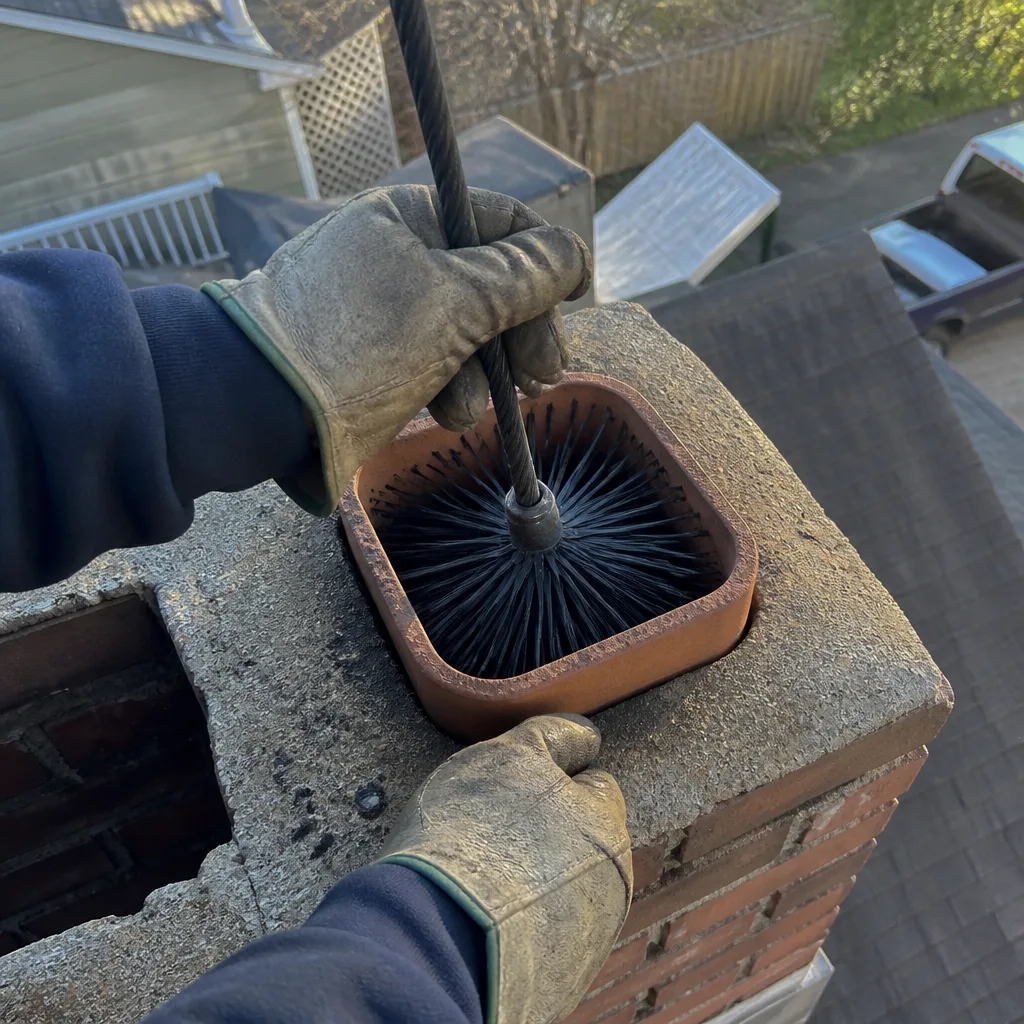
March in Sandy Springs brings two phenomena that affect chimney systems: peak pollen season and rising humidity. What you do - or don’t do - in the six weeks after your last fire determines how much summer damage accumulates.
Remove all ash from the firebox. Ash left in place absorbs atmospheric moisture and holds it against the firebrick. In Georgia’s spring humidity, we’ve measured firebox moisture content at 18-22 percent in homes where ash was left versus 8-12 percent where it was removed. That difference drives spalling rates on firebrick surfaces. The ash also becomes a growth medium for organic material when pollen settles on it.
Schedule draft testing after pollen season. By late April, pollen accumulation on chimney caps and spark arrestors can reduce net free area by 10-15 percent. This isn’t immediately dangerous - the system isn’t in use - but it restricts summer ventilation that would otherwise help dry residual moisture. We test draft and cap function in May as a standard post-season service, documenting baseline readings for comparison at the August inspection.
Inspect the cleanout door and ash dump. Sandy Springs homes with basement cleanouts often neglect this access point. Spring humidity rises from basement spaces, and an unsealed cleanout door lets moist air enter the flue from below. We’ve found rusted damper hardware and corroded fire grate supports traced directly to this pathway. A simple door seal inspection in March prevents $200-$400 in component replacement.
Evaluate exterior masonry for winter damage. The freeze-thaw cycles of a short, intense burn season stress crown and shoulder masonry. Spalling brick, deteriorated mortar joints, and crown cracks visible from ground level all worsen through summer if unaddressed. We photograph exterior conditions during our spring service visit and include them in the documented photo record under Haven Standard Clause 4.
Spring is also the optimal window for liner evaluation if the fall inspection raised concerns. Fireplace Services in Sandy Springs includes gas insert and venting system evaluations that we schedule during this lower-demand period.
Moisture Intrusion vs. Creosote Staining: How to Tell Them Apart
Two problems cause dark staining on chimney exteriors and firebox walls, but they require completely different responses. Misidentification leads to unnecessary sweeps or missed repairs.
Moisture intrusion staining appears as diffuse, water-marked discoloration without texture. On exterior brick, it follows mortar joints vertically - water tracks the path of least resistance. Inside the firebox, it shows as uniform darkening of the rear wall, often with efflorescence (white mineral deposits) when the water evaporates. The smell is musty, not acrid. In Sandy Springs, we see this pattern peak in September, after a full summer of humidity cycling.
Creosote staining is localized, glossy or tar-textured, and carries a sharp, smoky odor. Exterior staining occurs only near the cap or at obvious breach points - it doesn’t migrate far because creosote is viscous, not fluid. Interior staining concentrates above the firebox opening and on the smoke chamber walls. It may flake when touched. Class III creosote is hard and glassy; moisture staining is soft and powdery where efflorescence forms.
The diagnostic test we perform: a damp cloth wipe. Moisture staining transfers faintly and smells like wet stone. Creosote stains the cloth dark brown and smells like burned wood. When we can’t determine origin visually, we take a small sample for lab analysis - included in our standard evaluation when indicated.
Why the distinction matters for Sandy Springs homeowners:
- Moisture intrusion requires cap repair, crown sealing, or masonry waterproofing. A sweep does nothing for it, and may mask progression by cleaning the surface evidence.
- Creosote staining requires removal and combustion analysis. Waterproofing does nothing for it, and may trap active deposits against the liner.
- Both conditions together - common in systems with missing caps and heavy use - require sequenced treatment: sweep first, then moisture remediation, then follow-up inspection to confirm resolution.
We’ve documented cases in the Dunwoody Club area where homeowners received three consecutive “sweeps” for moisture staining that was actually deteriorated crown mortar. The sweeps were profitable for the contractor, useless for the homeowner, and the crown degradation progressed to requiring full rebuild. Camera inspection would have shown the actual condition in the first visit.
The Year-Round Documentation Rhythm
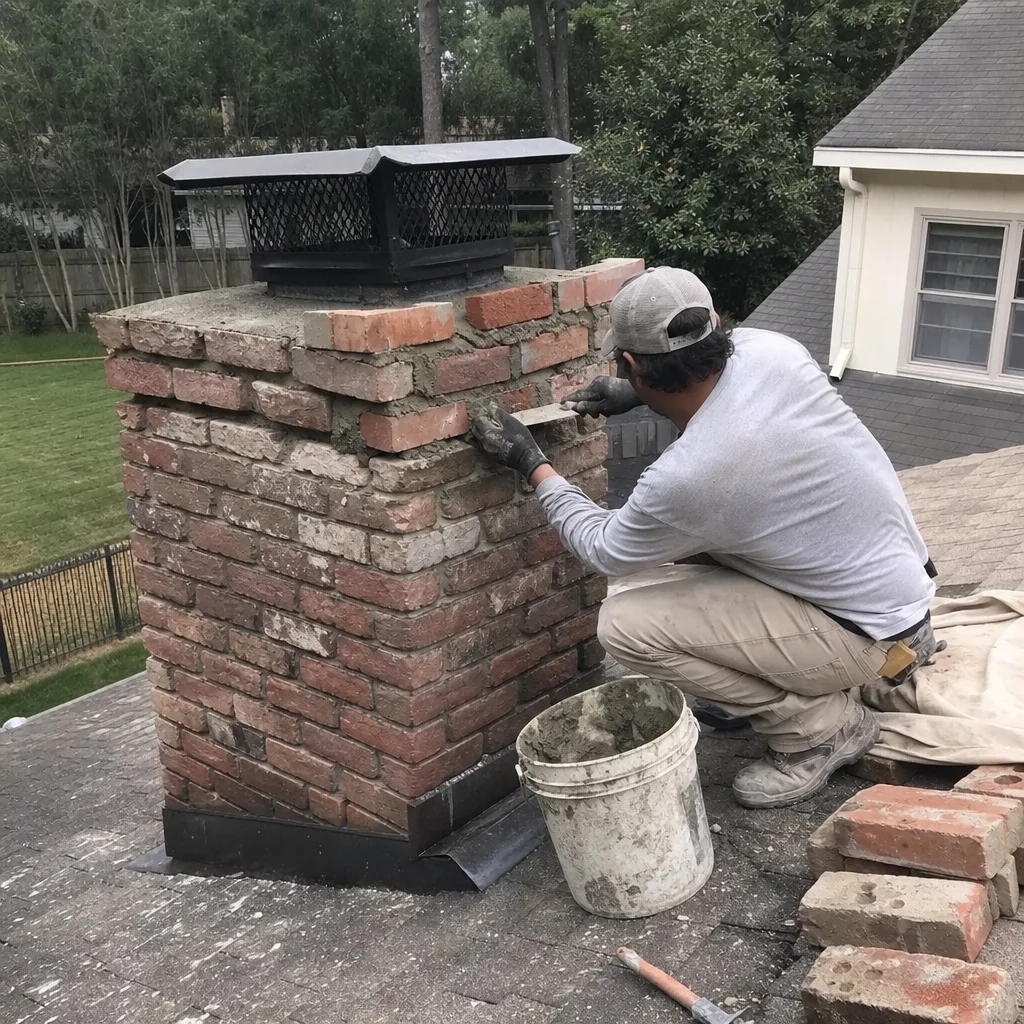
Your chimney maintenance record is an asset at resale, but only if it’s continuous, dated, and specific. Lenders and insurers increasingly request documentation of solid-fuel system maintenance. A folder of random receipts doesn’t satisfy them. Here’s the file structure we recommend, built from what has successfully supported Sandy Springs homeowners during real estate transactions:
Annual file contents (minimum):
- Written price and scope from each service visit - Haven Standard Clause 1 documentation
- Photo record from Level 2 camera inspection - Haven Standard Clause 4, dated and labeled by flue segment
- Written warranty for any repair work performed
- Technician name and license information
- Combustion appliance listing (fireplace insert, stove, or open hearth; manufacturer and model if known)
Multi-year progression tracking:
The value of documentation compounds over time. When we inspect a Sandy Springs chimney in year five of our service relationship, we have four prior photo records for comparison. Liner surface change that would be ambiguous in isolation becomes clearly progressive - or clearly stable - with historical context. This is how we distinguish between “monitor” and “repair now” conditions.
For resale specifically:
- Organize records by calendar year, most recent first
- Include the most recent Level 2 inspection report as the lead document
- Attach the written warranty for any active repair work
- Note any system modifications (cap replacement, liner installation, damper repair) with dates and contractor
A complete maintenance file from Emberly Chimney Cleaners includes all of this as standard. We’ve had Sandy Springs real estate agents request our records directly, with homeowner permission, to satisfy buyer inspection contingencies. The transaction proceeds faster when documentation is professional and complete.
Our 365-Day Done Right Promise - stamped on every job - also transfers in documentation. If a subsequent inspector questions our work, the warranty terms and repair scope are explicitly written, not inferred from a receipt.
Emberly Chimney Cleaners Sandy Springs home has more information on our documentation standards and how to request historical records if you’re a returning customer.
Common Mistakes to Avoid
- Booking the sweep when you smell smoke. By the time smoke odor enters living space, creosote buildup has already restricted flue capacity significantly. In Sandy Springs’ compressed burn season, this often happens in January - when every sweep company is booked two weeks out. The result: either burning unsafely or going without heat aesthetic during the coldest month.
- Assuming a gas fireplace needs no inspection. Gas systems don’t produce creosote, but they do produce moisture and corrosive condensation. The venting system, termination cap, and combustion air supply all degrade in Sandy Springs summers. We find deteriorated B-vent connectors and blocked termination caps on gas systems during routine evaluations.
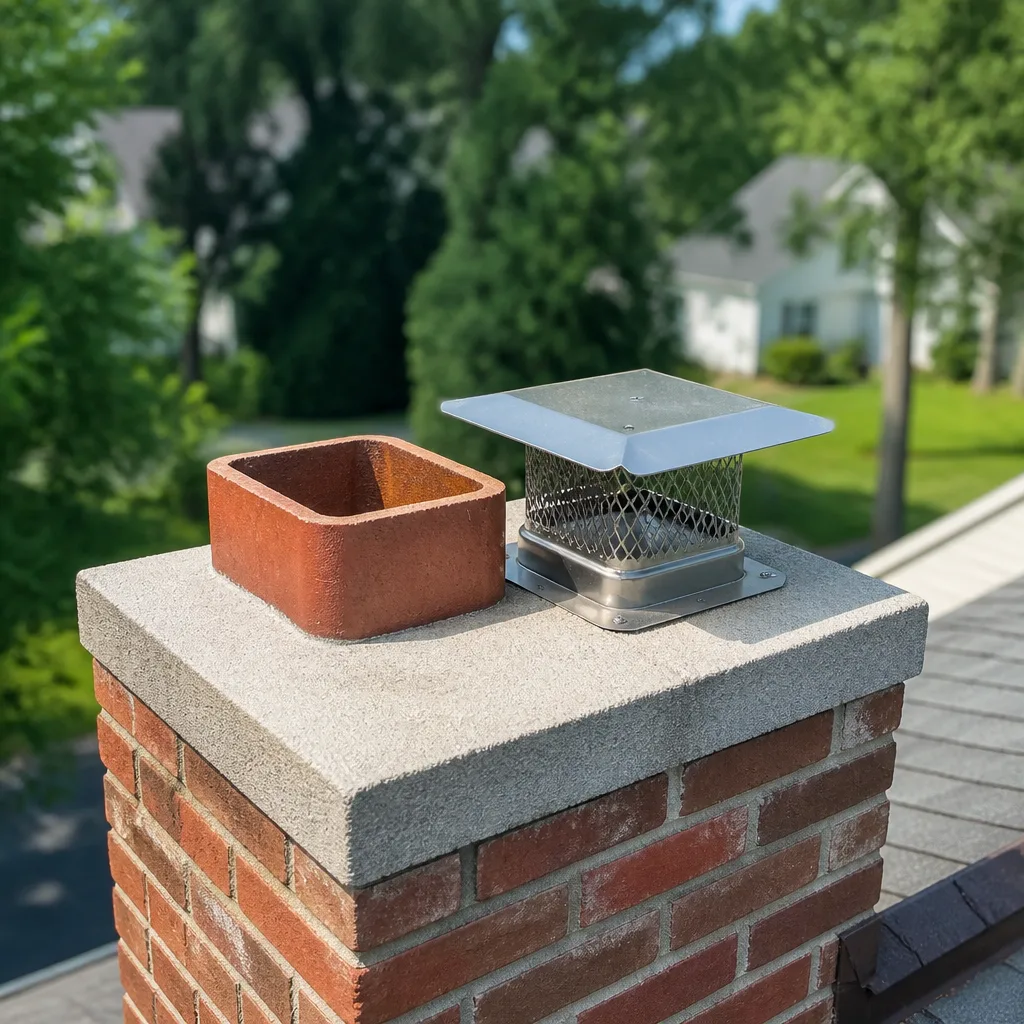
- Ignoring the chimney cap after storm season. Spring and summer storms in the Atlanta metro dislodge or damage caps regularly. A cap that was secure in April may be missing or tilted by September, and homeowners rarely look at their roofline. The first rain of October enters an unprotected flue.
- Using “chimney cleaning logs” as sweep replacement. These products may reduce light soot deposits but do not remove Class II or Class III creosote. More critically, they provide no inspection function. We’ve found significant liner damage hidden behind surfaces that appeared “clean” because chemical treatment had bleached the soot.
- Skipping post-season evaluation because “it worked fine.” Working fine describes combustion, not system condition. A flue with a cracked liner and intact mortar joints may draft adequately all winter while silently deteriorating. The camera finds what function conceals.
- Accepting verbal estimates for repair work. Haven Standard Clause 1 exists because verbal pricing invites scope expansion. We’ve corrected competitor work where the “small repair” quoted at $400 became $2,800 once the technician was on the roof. Written price, written scope, written warranty - before work starts.
When to Call a Professional
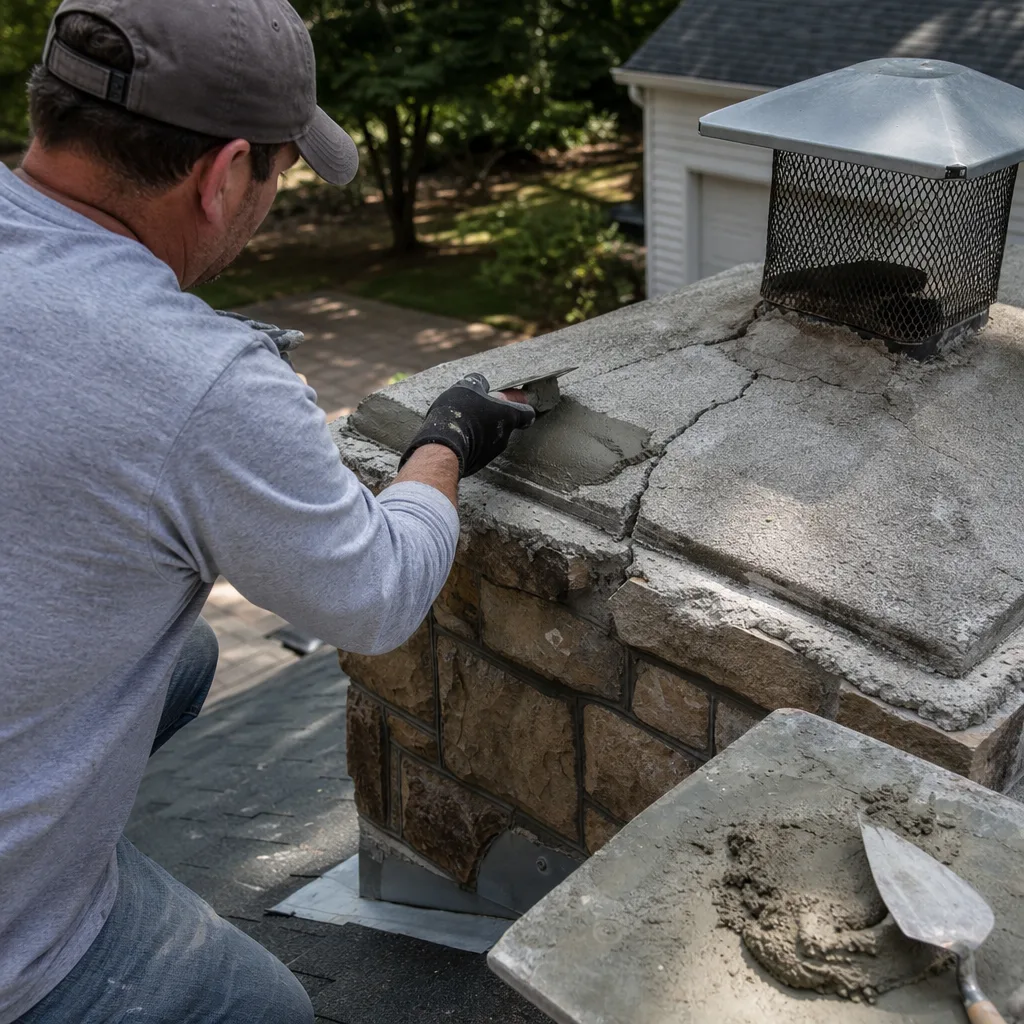
Call for evaluation when you observe any of the following: visible exterior staining that worsens after rain, smoke backup into the room during normal fire operation, a persistent smoky odor when the system is not in use, white efflorescence on exterior or interior masonry, or any separation or tilting of the chimney cap. These symptoms indicate conditions beyond routine maintenance.
Also call if your system has not had a Level 2 camera inspection within the past 12 months, regardless of apparent function. The conditions we describe - summer moisture intrusion, Class III creosote, liner degradation - often present no obvious symptom until they become hazardous or expensive.
Emberly Chimney Cleaners Sandy Springs offers free estimates in Sandy Springs. We’ll provide a written price, written scope, and written warranty before any work begins, and every evaluation includes the documented photo record required by Haven Standard Clause 4. Call (470) 480-0885 to schedule.
Frequently Asked Questions
A standard chimney sweep in Sandy Springs typically ranges from $199 to $289 for a single-flue system with Class I or light Class II creosote, including the Level 2 camera inspection and documented photo record. For details on permits and regulatory requirements, see Chimney Cleaning Permits, Codes & Inspections in GA: What You Need to Know. Class III glazed creosote removal, multi-flue systems, or systems requiring access equipment for steep roofs fall at the higher end or above. We deliver a written price before any work starts - no exceptions. Call (470) 480-0885 for an exact quote; estimates are free.
NFPA 211 recommends annual inspection for all solid-fuel systems, with sweeping frequency determined by creosote accumulation. For Sandy Springs homeowners with regular winter use, we recommend a Level 2 inspection in early fall and a post-season sweep in March. This two-touch annual rhythm addresses our specific climate pattern: summer moisture damage and compressed winter creosote buildup. Systems with heavy use or located in cooler microclimates near the Chattahoochee may need mid-season evaluation as well.
You need a new liner only when camera inspection documents specific failure: cracked or spalled clay tiles, gaps at mortar joints that exceed acceptable limits, or corrosion perforation in metal liners. We show you the images. We measure the gaps. We explain the failure mode and the risk it creates. Nothing is recommended without camera evidence you can see for yourself, and we clearly distinguish between conditions that require immediate repair and those that can be monitored annually. Our Free Second Opinion on any written estimate applies to liner replacement recommendations - bring us a competitor’s quote and we’ll evaluate independently.
Skipped maintenance in Sandy Springs produces two predictable outcomes: progressive moisture damage to masonry and liner systems during unused months, and concentrated creosote accumulation during the compressed burn season. The intersection of these - a moisture-compromised liner with heavy creosote loading - creates the highest chimney fire risk. Carbon monoxide exposure risk also rises as liner gaps allow combustion gases into wall cavities. Both conditions develop silently. Camera inspection is the only reliable detection method.
Class I soot removal with proper brushes and rods is within capability of some homeowners, though it provides no inspection function and carries fall risk on roofs. Class II and Class III creosote removal requires specialized equipment and training. We do not provide DIY instructions for these conditions because the rotary tools and chemical treatments involved can damage liners if misapplied, and the debris generated requires controlled containment. The documented photo record we provide - required by Haven Standard Clause 4 - has no DIY equivalent and is increasingly required for insurance and real estate purposes.
Summer chimney odor in Sandy Springs is almost always one of three causes: residual creosote warming and releasing volatile compounds during humid conditions, moisture intrusion producing musty smells from organic growth or saturated masonry, or a blocked or missing cap allowing animal entry. Each requires different response: creosote removal, moisture remediation and ventilation improvement, or cap repair and animal exclusion. We diagnose the specific cause during Level 2 evaluation rather than treating symptoms blindly.
The Bottom Line
Sandy Springs’ climate creates a two-season chimney risk profile that single annual maintenance misses. Summer humidity degrades liners and masonry; winter compression concentrates creosote. The homeowners who protect their systems - and their property values - schedule strategically: camera inspection in early fall, sweep and repair in October, post-season evaluation in March. They keep complete documentation. They verify every recommendation with visual evidence. And they never accept verbal pricing for work on their home.
Emberly Chimney Cleaners has applied this protocol across more than 38,000 inspections and cleanings since 2009. Every job carries a written price before work starts, a documented photo record on completion, and the 365-Day Done Right Promise. Materials come through Haven’s buying network from DuraFlex, HeatShield, Gelco, Olympia Chimney, Famco, and Copperfield - sourced specifically to keep customer prices honest.
Call (470) 480-0885 for a free estimate in Sandy Springs. A live person answers 24 hours a day, 7 days a week. We’ll text when your technician is en route, and you’ll have your written price before anyone starts.
Written by Corrine Halstead, Owner at Emberly Chimney Cleaners Sandy Springs, serving Sandy Springs since 2009.