
Last updated September 21, 2026
Level 1 sweep and inspection to the NFPA 211 annual standard - flue, crown, cap, and flashing checked and photographed
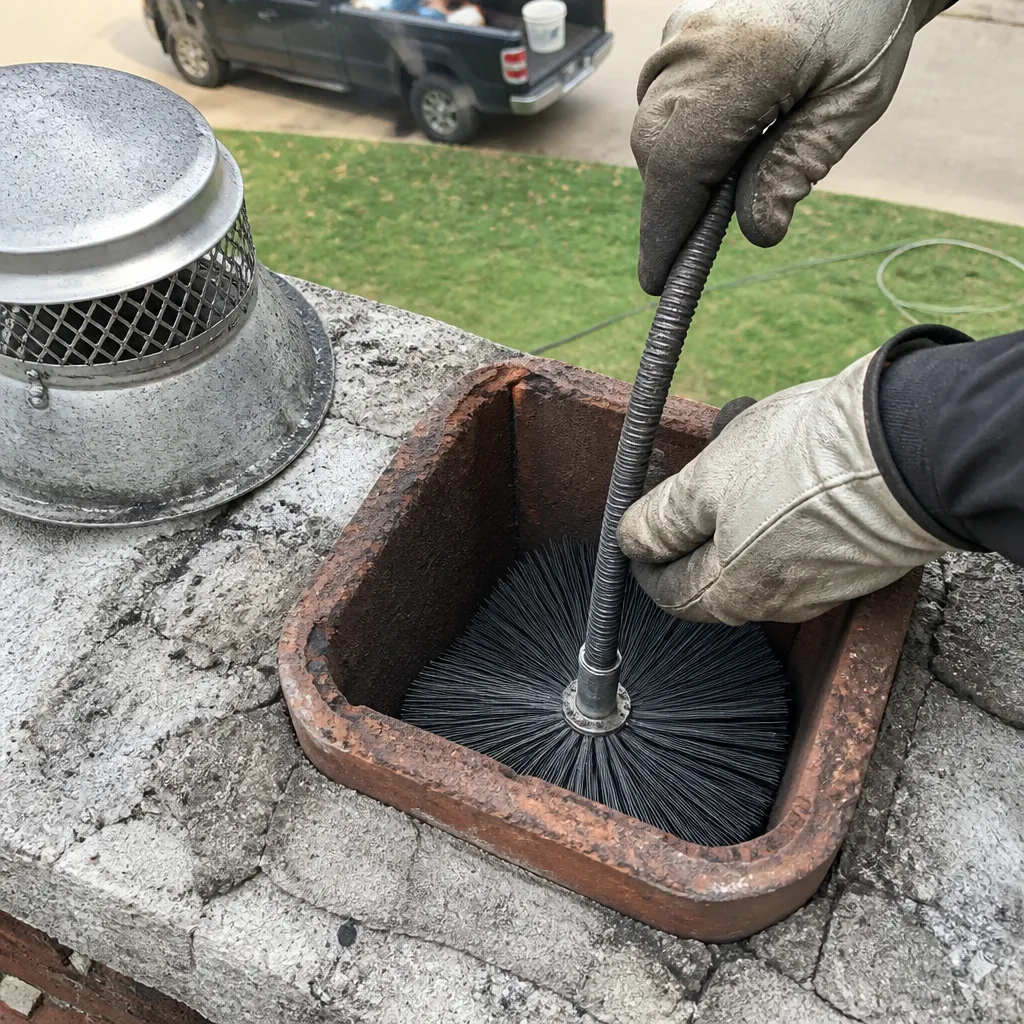
Chimney sweep logs do not sweep chimneys. They loosen some creosote - which then falls where a brush and vacuum still have to collect it.
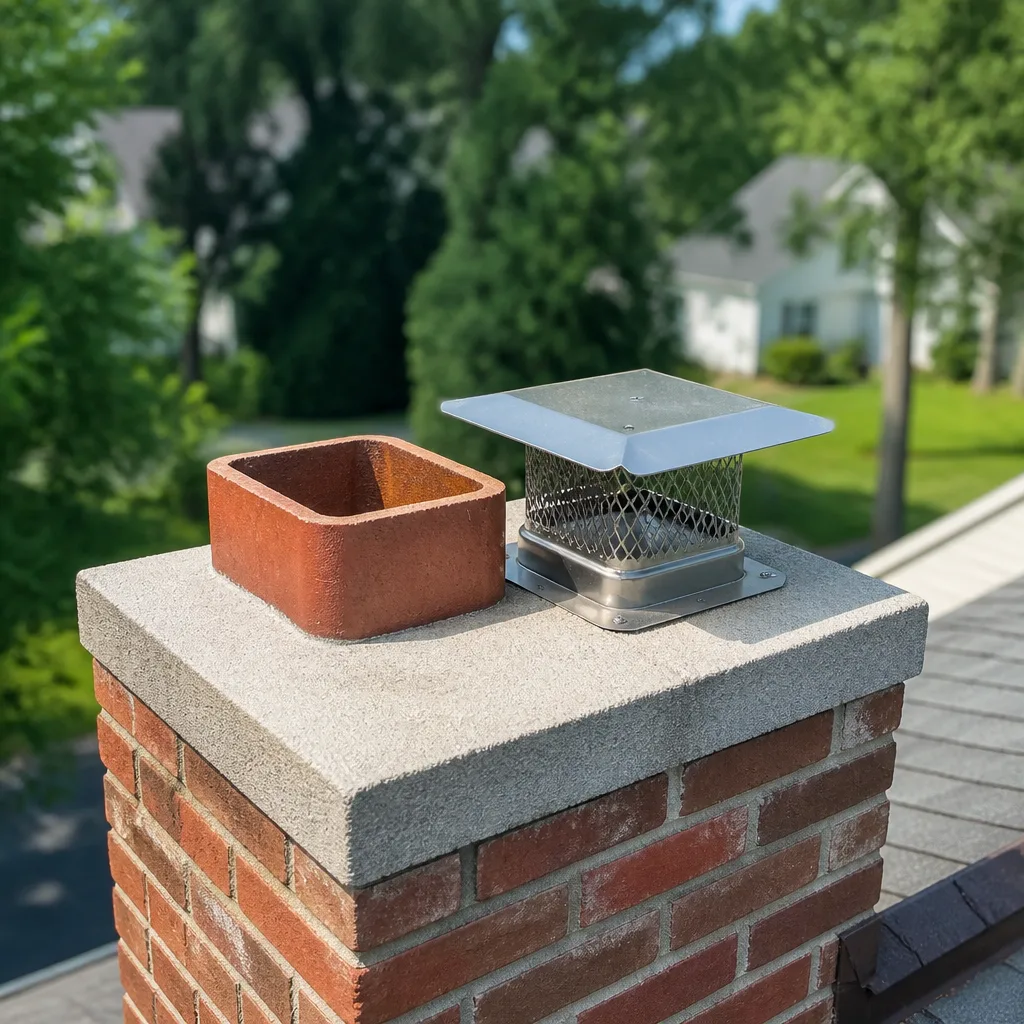
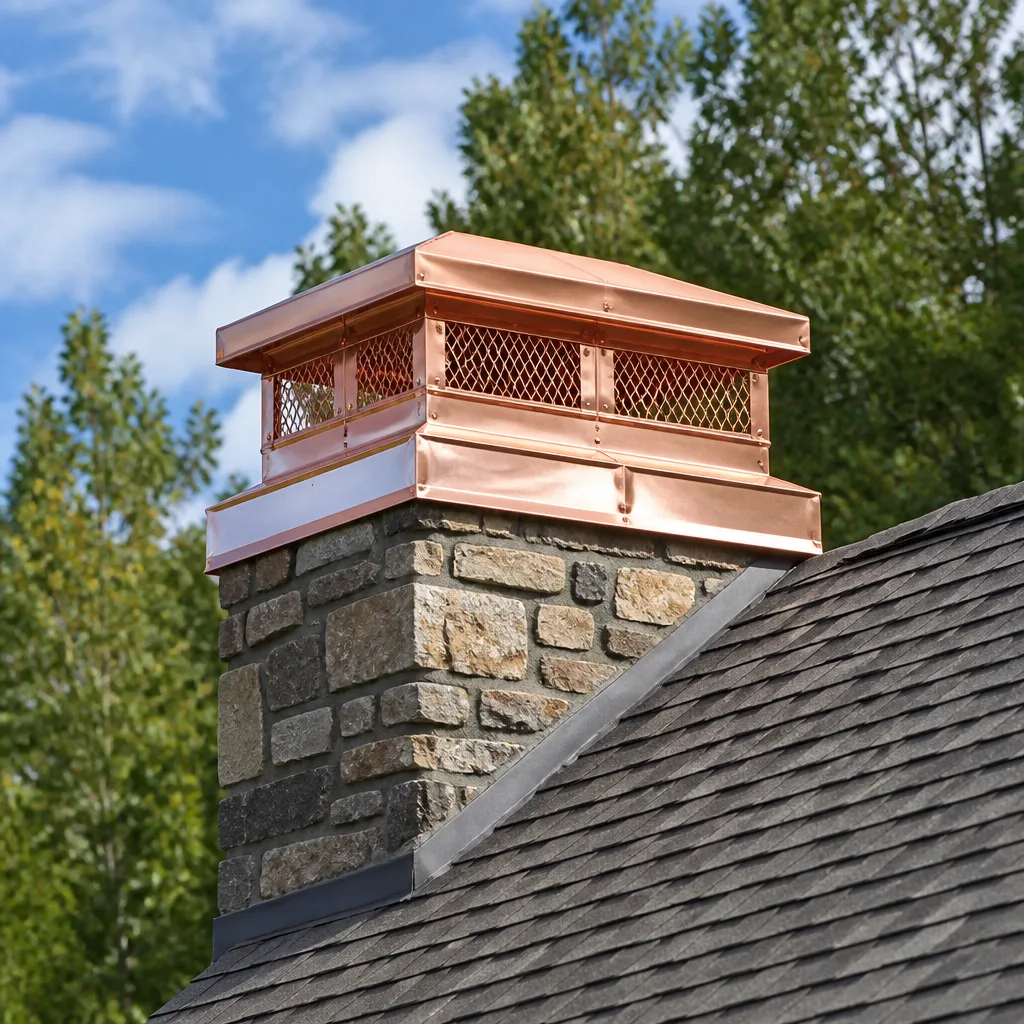
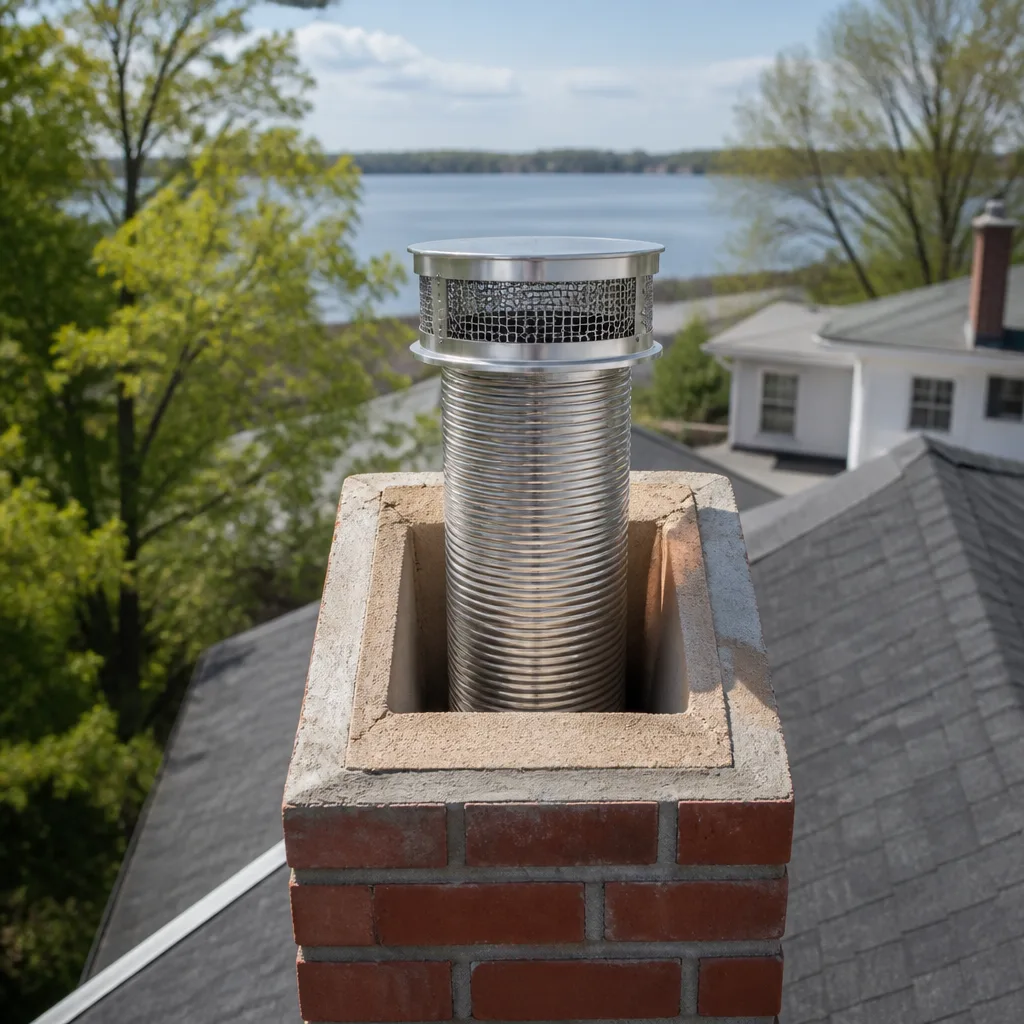
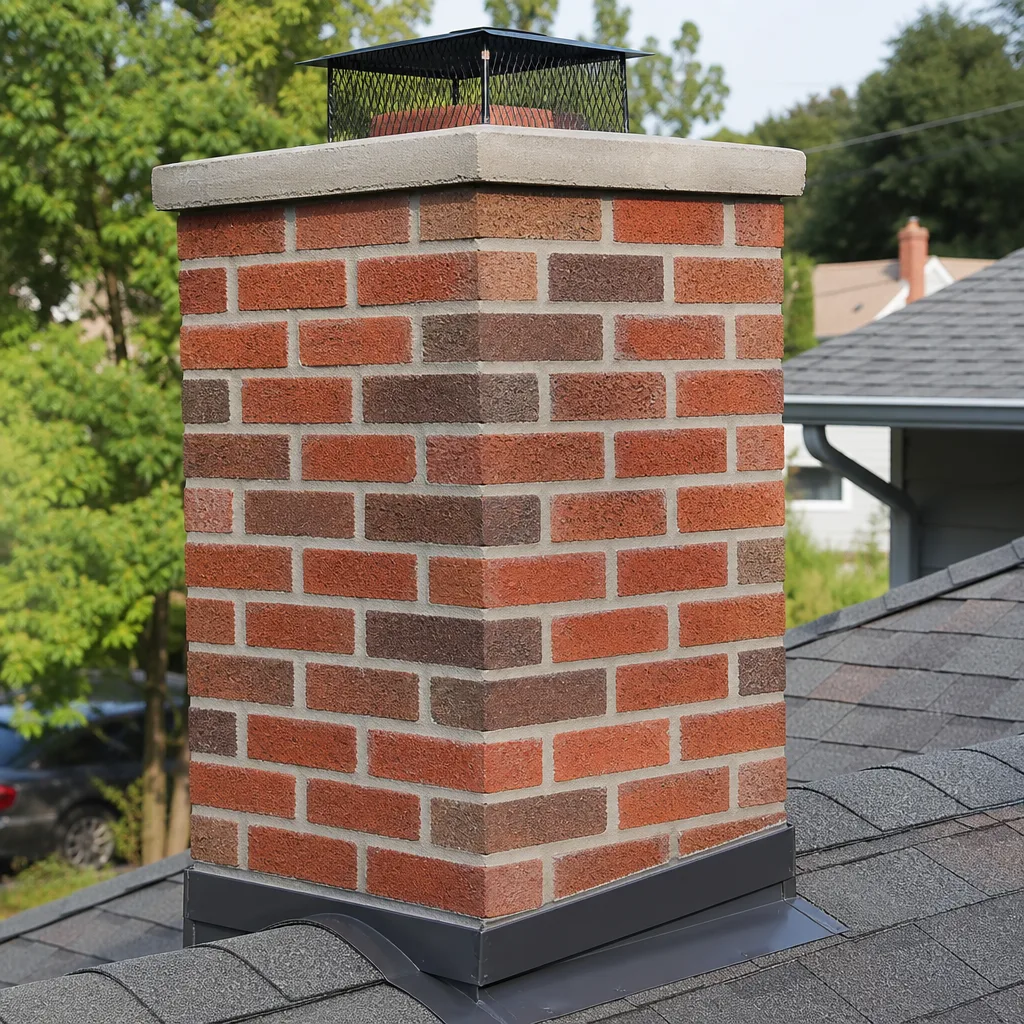
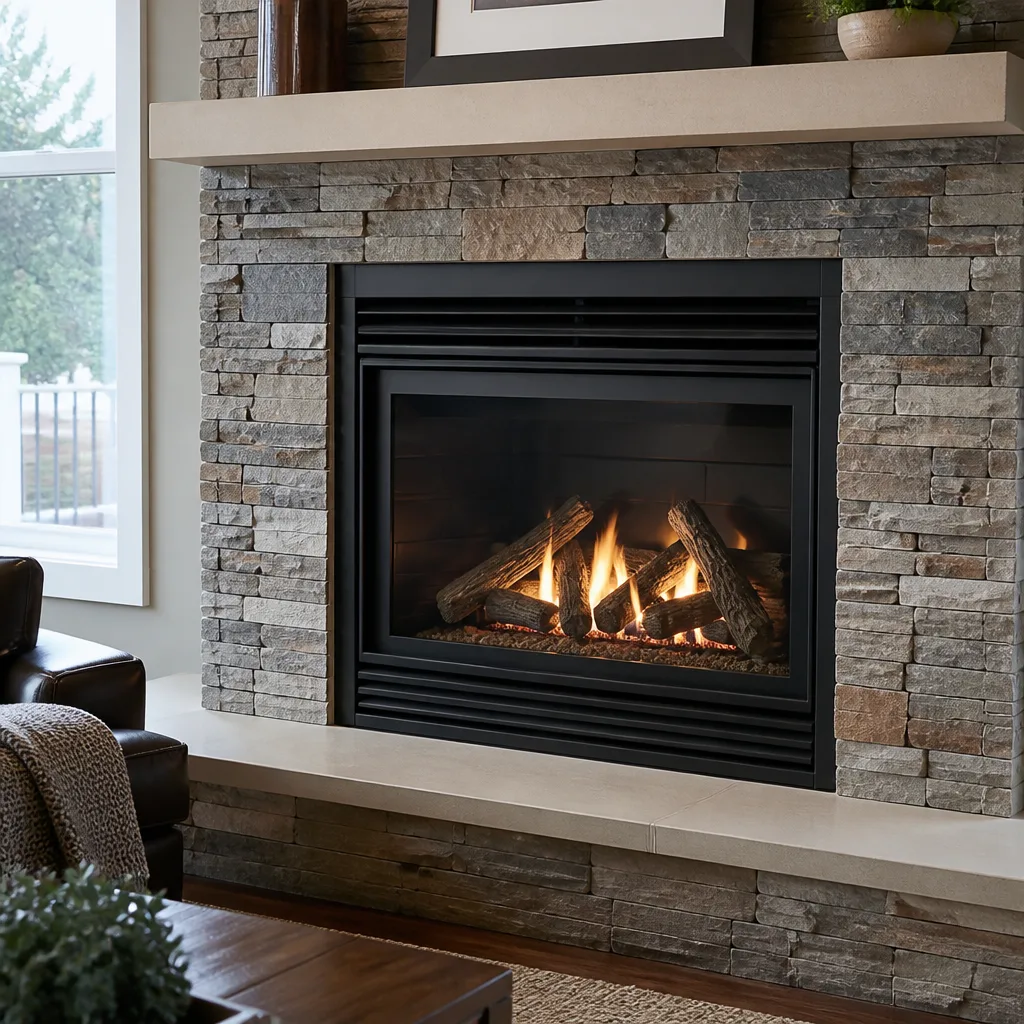
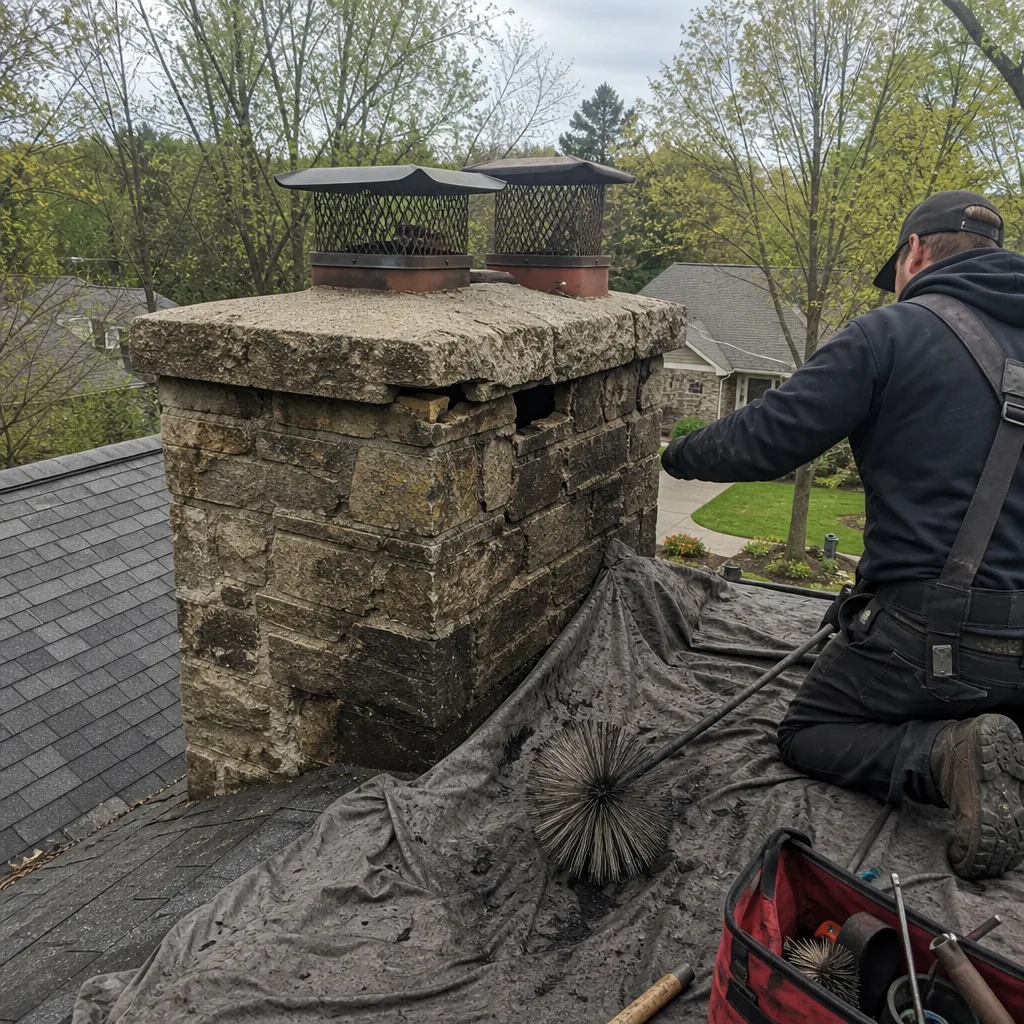 Before
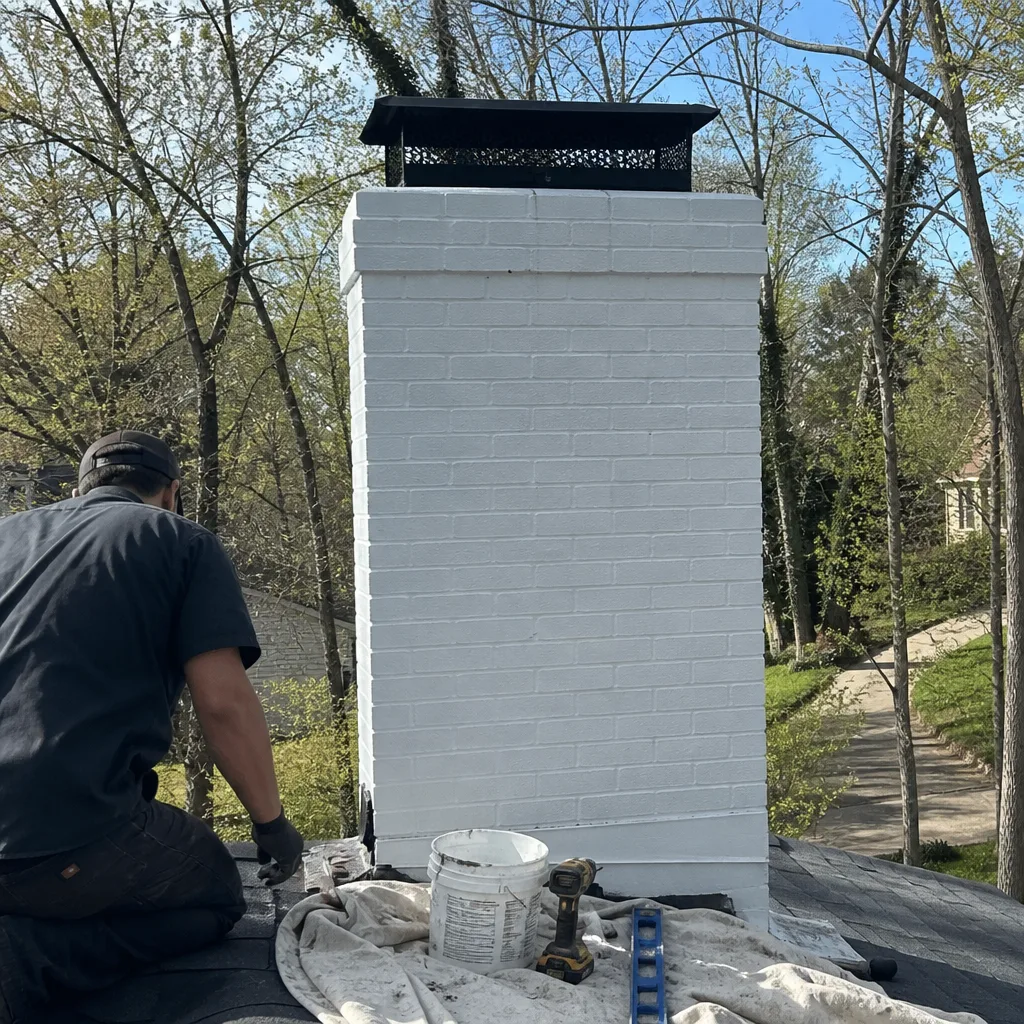 After
After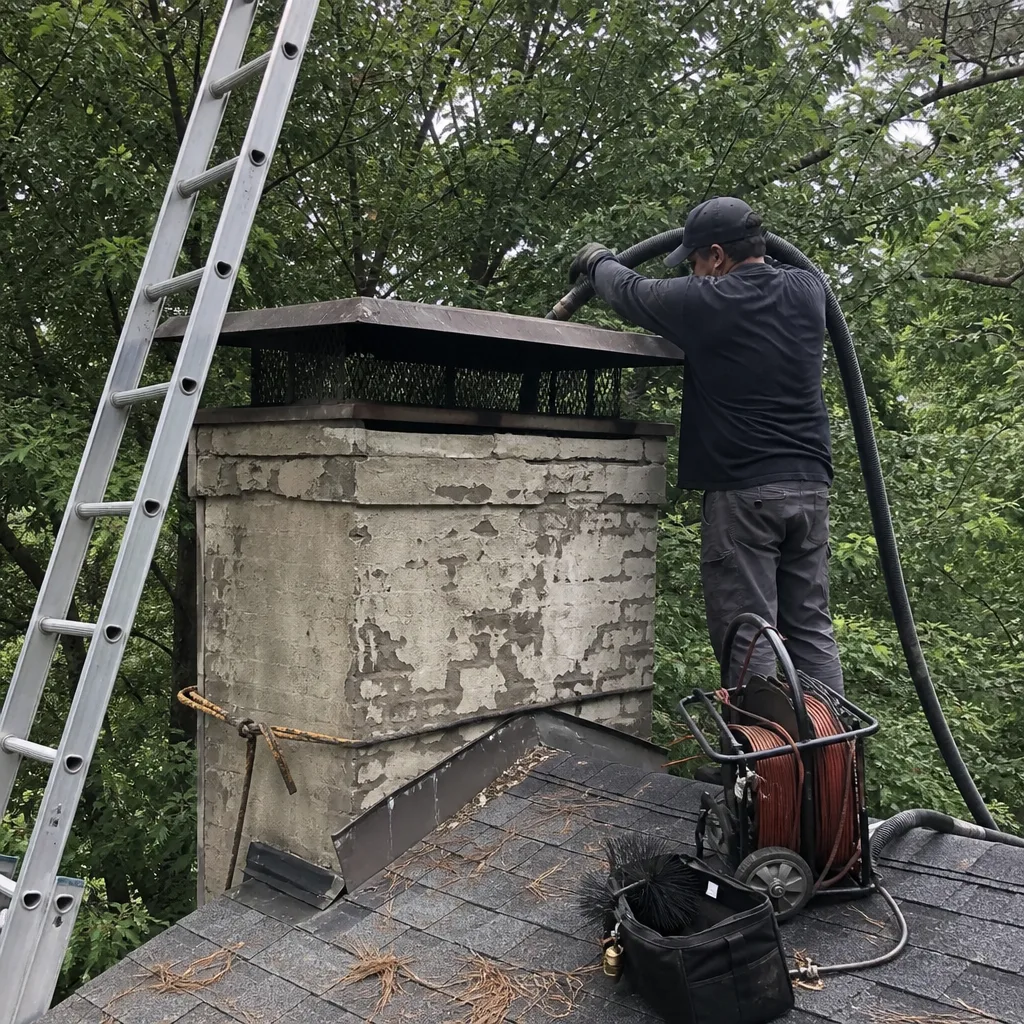 Before
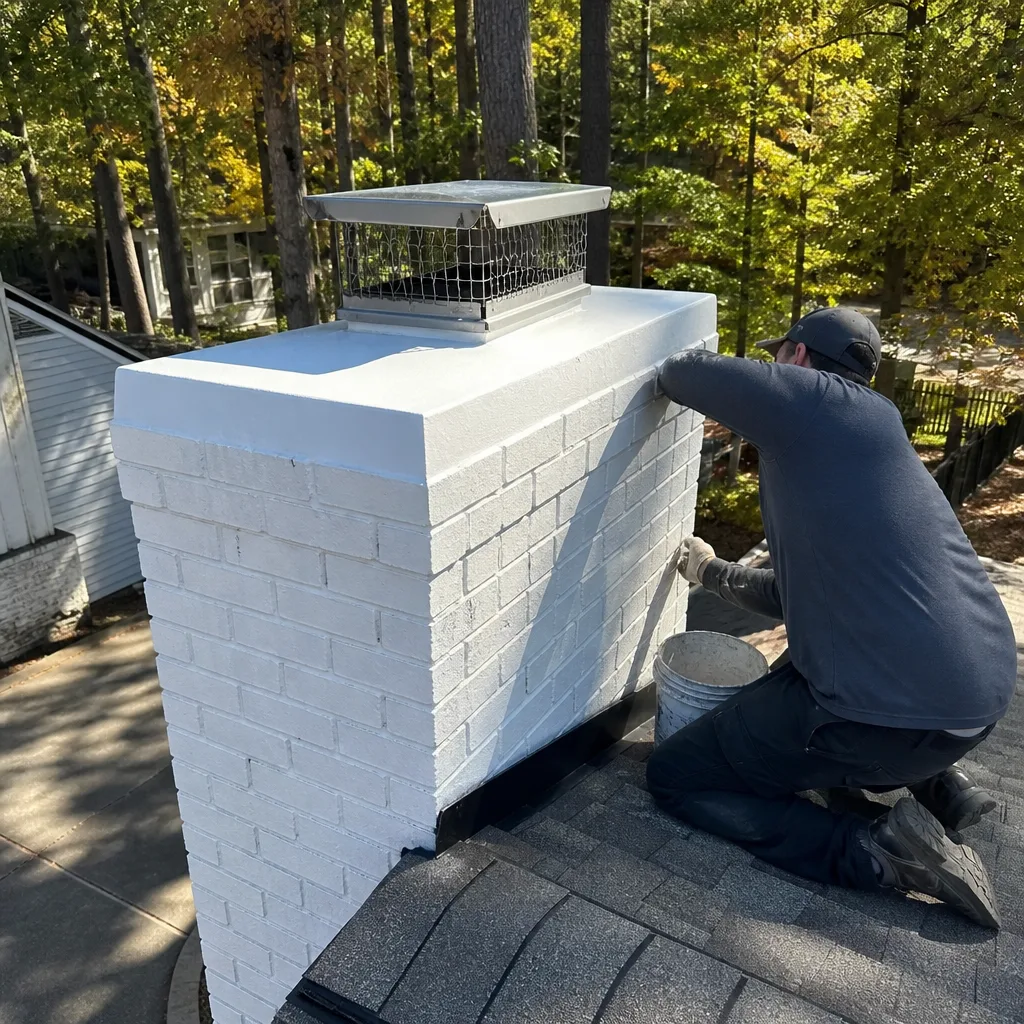 After
AfterChimney Cleaning Permits, Codes & Inspections in GA: What You Need to Know
A chimney liner replacement completed without a permit in Sandy Springs can legally delay or void a home sale closing - and the seller is usually the last person to find out. Most Georgia homeowners assume their annual chimney sweep is a simple maintenance visit with no paperwork trail. But the line between routine cleaning and regulated alteration is sharper than most contractors admit, and crossing it unknowingly can leave you without insurance coverage, code compliance, or a clear title at closing. In The Complete Guide to Chimney Cleaning in Sandy Springs, we’ll show you exactly where that line sits under Georgia law, what NFPA 211 means for your inspection records, and how to protect yourself when a sweep finds something that needs fixing.
Quick Answer
Routine chimney cleaning in Georgia does not require a permit. However, any repair, liner replacement, firebox modification, or structural alteration to the chimney system triggers permit requirements under Fulton County or City of Sandy Springs building codes. A documented NFPA 211 Level 2 inspection is required by Georgia state law for property transfers and is increasingly demanded by insurers before they’ll cover wood-burning appliances.
Table of Contents
- Georgia’s Adoption of NFPA 211: What State Law Actually Mandates
- Where the Permit Line Sits: Cleaning vs. Alteration
- Fulton County and Sandy Springs Permit Requirements
- How Level 2 Inspection Findings Create Legal Timelines
- What Georgia Insurers Now Require for Wood-Burning Coverage
- How to File and Format Inspection Records for Future Sales
- Common Mistakes to Avoid
- When to Call a Professional
- Frequently Asked Questions
- The Bottom Line
BeforeAfterGeorgia’s Adoption of NFPA 211: What State Law Actually Mandates
Georgia operates under a statewide minimum fire code that adopts NFPA 211 - the National Fire Protection Association’s Standard for Chimneys, Fireplaces, Vents, and Solid Fuel-Burning Appliances - by reference. This matters because NFPA 211 is not a suggestion in Georgia; it’s the enforceable baseline that county inspectors, insurance adjusters, and real estate attorneys all work from.
The standard specifies three levels of inspection. A Level 1 inspection is visual, accessible-surface only - what you get with a flashlight and a ladder. A Level 2 inspection requires a camera scan of the interior flue, examination of accessible attics and crawl spaces, and documentation of findings. A Level 3 inspection involves demolition of building materials to investigate concealed hazards.
Here’s where Georgia law gets specific. Under the state’s property transfer disclosure requirements, a seller must disclose known defects in the chimney system. But “known” has been interpreted increasingly strictly. In our experience across Sandy Springs and north Fulton County, home inspectors for buyers now routinely request a Level 2 inspection report dated within 12 months of closing. Without it, the buyer’s lender or insurer may flag the chimney as an unverified risk, triggering delays.
The 2018 and subsequent code cycles also tightened language around solid fuel appliance installations. Any new installation, and any modification to an existing installation that changes the appliance type, fuel type, or venting configuration, must comply with the current code cycle at the time of modification - not the code in force when the house was built. This retroactive compliance trigger surprises many Sandy Springs homeowners in 1960s and 1970s subdivisions near the Chattahoochee, where original masonry fireplaces were never lined and now fail current standards.
Our Chimney Cleaning & Sweep Maintenance Checklist for Sandy Springs Homeowners covers how NFPA 211 also establishes the creosote removal standard that defines when a chimney is “clean.” Class I and II creosote (sooty or flaky deposits) must be removed to reduce fire hazard. Class III creosote - the hardened, tar-like glaze that forms with slow-burning fires in Atlanta’s mild winters - cannot be removed by brushing alone and requires chemical treatment or mechanical removal. A sweep who documents Class III glaze and does not note the required remediation method is not providing a complete inspection under the standard.
We adopted camera-scan documentation as our default in 2009, before any Georgia jurisdiction required it. That practice became Clause 4 of the Haven Standard - our documented photo record on every visit. When a Sandy Springs homeowner needs to prove compliance to an insurer or closing attorney, that dated, geotagged archive is the difference between a cleared condition and a contested one.
Where the Permit Line Sits: Cleaning vs. Alteration
The permit threshold in Georgia is not about how dirty your chimney is. It’s about whether the work changes the structure, appliance, or venting system. Understanding this distinction saves you from contractors who perform regulated work without pulling permits, or worse, from pulling permits you don’t need.
No permit required:
- Mechanical sweeping of the flue to remove soot, ash, and creosote deposits
- Visual inspection of accessible surfaces
- Camera inspection of the flue interior
- Cleaning of the firebox, smoke chamber, and damper assembly
- Minor gasket replacement on factory-built fireplace doors
- Application of creosote-modifying chemicals (preparatory to later removal)
Permit required - Fulton County or Sandy Springs:
- Installation, replacement, or repair of a flue liner (stainless steel, aluminum, or cast-in-place)
- Firebox reconstruction or refractory panel replacement that changes dimensions or material
- Installation of a wood, gas, or pellet insert into an existing fireplace opening
- Chimney cap or crown replacement that modifies structural support or draft characteristics
- Smoke chamber parging (smoothing the corbeled brick to improve draft)
- Addition of a chase cover, cricket, or other roof-penetration modification
- Relining of a factory-built chimney system
- Any work described by the contractor as “repair” rather than “cleaning”
The critical trigger is alteration. Georgia building codes define alteration as any change to a building’s structural, mechanical, or fuel-gas systems that affects health, safety, or accessibility. A liner replacement alters the venting system. A crown rebuild alters the structural weatherproofing. Even a cap change that includes a draft-inducing design can be classified as altering venting performance.
In Sandy Springs, we’ve seen unpermitted liner installations surface during pre-closing inspections in neighborhoods like Riverside, Dunwoody Panhandle, and the Heards Ferry area. The homeowner paid a contractor who either didn’t know the permit requirement or chose not to mention it. When the buyer’s inspector asks for permit documentation, none exists. The closing attorney then requires either a retroactive permit (expensive, time-consuming) or a licensed contractor’s letter accepting liability - which no reputable contractor will provide for work they didn’t perform.
Our practice is to flag permit territory before we cross it. If a chimney cleaning and sweep in Sandy Springs reveals liner damage, we stop, document with photos, and present a written scope that explicitly notes: “Liner replacement requires Fulton County permit; we will pull permit as part of this scope.” Clause 1 of the Haven Standard - written price, written scope, written warranty before work starts - prevents surprises at both ends of the job.
Fulton County and Sandy Springs Permit Requirements
Fulton County operates under the Georgia State Minimum Standard Building Code, with local amendments. Sandy Springs, as an incorporated city within Fulton County, enforces its own building permits through the Sandy Springs Development Services Department, though fire code inspections for chimney systems often involve Fulton County Fire Marshal coordination.
Permit types relevant to chimney work:
| Work Type | Permit Required | Issuing Authority | Typical Timeline |
|---|---|---|---|
| Chimney cleaning / sweeping | No | N/A | Same day |
| Flue liner replacement | Yes - Mechanical/Fuel Gas | Sandy Springs Building Division | 3-5 business days review |
| Factory-built chimney repair | Yes - Building | Sandy Springs Building Division | 5-10 business days review |
| Fireplace insert installation | Yes - Mechanical + Electrical if applicable | Sandy Springs Building Division | 5-10 business days review |
| Crown rebuild or cap modification | Yes - Building (if structural) | Sandy Springs Building Division | 3-5 business days review |
| Smoke chamber parging | Yes - Building | Sandy Springs Building Division | 3-5 business days review |
Inspection scheduling follows permit approval. For liner replacements, a rough inspection confirms proper sizing and connection before closure, and a final inspection confirms proper termination and clearances. In Sandy Springs, the Fire Marshal’s office typically conducts the fuel-gas venting inspection for solid fuel appliances, while Building Inspections handles structural elements.
One local wrinkle: Sandy Springs has specific floodplain and erosion control requirements near the Chattahoochee River corridor. Chimney work on homes in the River Edge, Riverside, and Island Ford zones may trigger additional environmental review if exterior access requires ground disturbance near the riparian buffer. We’ve encountered this in the Riverside neighborhood, where a crown rebuild required a silt fence plan because equipment access crossed a regulated buffer. The contractor who doesn’t know Sandy Springs’ geography doesn’t catch this until inspection fails.
Permit fees in Sandy Springs for mechanical permits typically run $100-$250 depending on project valuation, plus plan review fees for engineered liner systems. The permit itself must be posted on-site during work, and the approved inspection card must be closed out before final payment. We include permit costs in our written scope under Haven Standard Clause 1 - no hidden fees, no post-work surprises.
Homeowner tip: Request the final, signed inspection card and keep it with your property records. When you sell, the buyer’s inspector will ask. When you renew insurance, the underwriter may ask. The permit record is your proof that work met code at the time it was performed.
How Level 2 Inspection Findings Create Legal Timelines
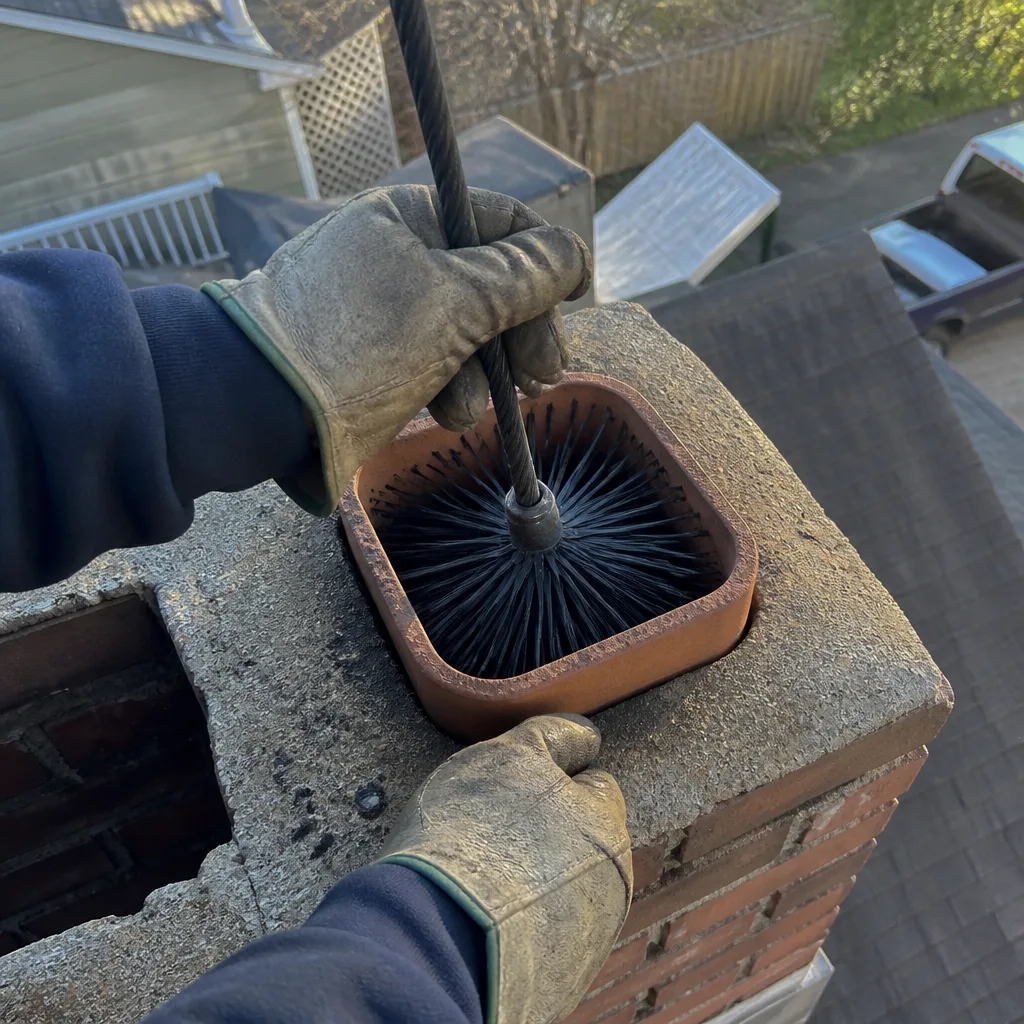
An NFPA 211 Level 2 inspection produces a documented record of conditions. That record, once in your possession, creates knowledge. Under Georgia’s property disclosure law, knowledge of a defect triggers a duty to disclose - or to repair. This is where “deficiency noted” language becomes legally significant.
When we complete a Level 2 inspection, our report classifies each finding by priority:
- Immediate hazard: Conditions that present active fire or carbon monoxide risk. Examples: detached liner segment, visible hole in flue wall, blocked flue with active appliance use. We recommend immediate discontinuation of appliance use and same-day repair scheduling.
- Repair required within operating season: Conditions that will deteriorate to hazard status with continued use. Examples: cracked flue tiles with offset but no open gap, deteriorating mortar joints in smoke chamber, damaged but functional damper. We recommend repair before next burning season.
- Monitor and maintain: Conditions that do not currently affect safety but should be tracked. Examples: minor spalling on exterior brick, surface rust on metal chimney components, early-stage crown crazing. We recommend documentation and re-inspection at next annual sweep.
- Code deficiency - no current hazard: Conditions that do not meet current code but were compliant at installation and have not deteriorated. Examples: unlined masonry chimney serving a fireplace (common in pre-1960 Sandy Springs construction), factory-built chimney without current-listed termination. These require disclosure at sale and may affect insurance; repair is recommended but not urgent for safety.
The legal timeline works like this. If you receive a Level 2 report noting an immediate hazard and continue using the appliance without repair, your homeowner’s insurer may deny a fire claim based on documented prior knowledge. If you receive a report noting a code deficiency and fail to disclose it at sale, the buyer may pursue fraud claims post-closing. Georgia courts have upheld both theories in chimney-related cases.
In Sandy Springs, we’ve documented this sequence repeatedly: homeowner receives our Level 2 report, files it away, sells the house two years later without reviewing it, buyer’s inspector finds the same condition, sale is delayed while the seller scrambles for documentation. The original report, with its dated photos and classification, would have allowed clean disclosure and either pre-sale repair or price adjustment.
Our reports include a summary page designed for exactly this purpose: a one-page condition checklist with photos, classifications, and recommended timelines. It’s formatted for attachment to disclosure packets and for forwarding to insurers. Clause 4 of the Haven Standard requires this documentation on every job - not as an add-on, but as the deliverable.
One specific Sandy Springs context: homes in the Glenridge Highlands and Perimeter Center areas built during the 1980s-1990s construction boom often have factory-built metal chimneys with original listed terminations that are no longer manufactured. When these fail, replacement requires a current-listed termination that may not match the original footprint. Our reports flag this as a “code deficiency - no current hazard” with explicit note: “Replacement will require permit and may require chase modification.” This gives the homeowner years to plan, rather than discovering the issue during a pre-sale rush.
What Georgia Insurers Now Require for Wood-Burning Coverage
Georgia’s homeowner’s insurance market has tightened significantly for properties with wood-burning appliances. Where insurers once asked only “Do you have a fireplace?” on initial applications, many now require documented inspection before policy issuance or renewal. The shift accelerated after 2020, when chimney-related fire claims in the Southeast rose alongside increased wood-burning during winter storm outages.
Current insurer requirements we’ve encountered:
- USAA and military-affiliated insurers: NFPA 211 Level 2 inspection within 24 months for all wood-burning fireplaces and stoves; inspection must include flue camera documentation.
- State Farm Georgia: Level 2 inspection required for homes with wood-burning as primary or significant supplemental heat; may accept Level 1 for gas-only fireplaces with direct vent.
- Allstate and Progressive home: Inspection required for policies exceeding $750,000 dwelling coverage; inspector must be “qualified” per NFPA 211 (no specific certification required, but documentation of training expected).
- Georgia Farm Bureau: Increasingly requires inspection for rural and exurban properties in north Fulton and Forsyth counties; accepts reports from CSIA-certified sweeps or equivalent documented training.
- Lloyd’s and surplus lines: Often require annual inspection for properties with multiple wood-burning appliances or historic construction.
The documentation standard matters. An insurer rejecting a handwritten receipt from a sweep who “looked up the flue” is common. What they accept: a dated report with property address, inspector identification, scope of inspection per NFPA 211 level, findings with photo or video documentation, and clear statement of appliance suitability for continued use.
Our reports are structured to this standard automatically. Each includes:
- Property address and inspection date
- Inspector name and Haven Standard technician ID
- Appliance type, manufacturer, and model (when visible)
- Fuel type and stated use pattern
- NFPA 211 inspection level performed
- Flue interior photo documentation with measurement annotations
- Exterior condition photo documentation
- Clearance measurements to combustibles
- Findings classified by priority
- Statement of appliance suitability for continued use, with conditions
- Recommended timeline for next inspection
- Written scope and price for any recommended repairs
For Sandy Springs homeowners in the higher-value corridors along Hammond Drive, Glenridge Drive, and the Pill Hill medical district, this documentation has become routine. Many of these homes have multiple fireplaces - a formal living room masonry fireplace, a basement wood stove, perhaps an outdoor kitchen appliance. Each requires separate inspection documentation. We bundle these as a single property inspection with individual appliance reports, reducing insurer submission friction.
Critical point: an insurer may require repair of noted deficiencies as a condition of coverage continuation. This is where the permit issue intersects with insurance. If your sweep notes liner damage and your insurer requires liner replacement, that replacement requires a permit. A contractor who performs the work unpermitted may satisfy the insurer’s immediate documentation request, but leaves you without code-compliant proof if the insurer later audits or if you sell the property.
We provide insurer-ready documentation as standard, not as an extra service. When a Sandy Springs homeowner forwards our report to their underwriter, the format is already structured for acceptance. If repair is required, our written scope includes permit handling - no additional research needed from the homeowner.
How to File and Format Inspection Records for Future Sales
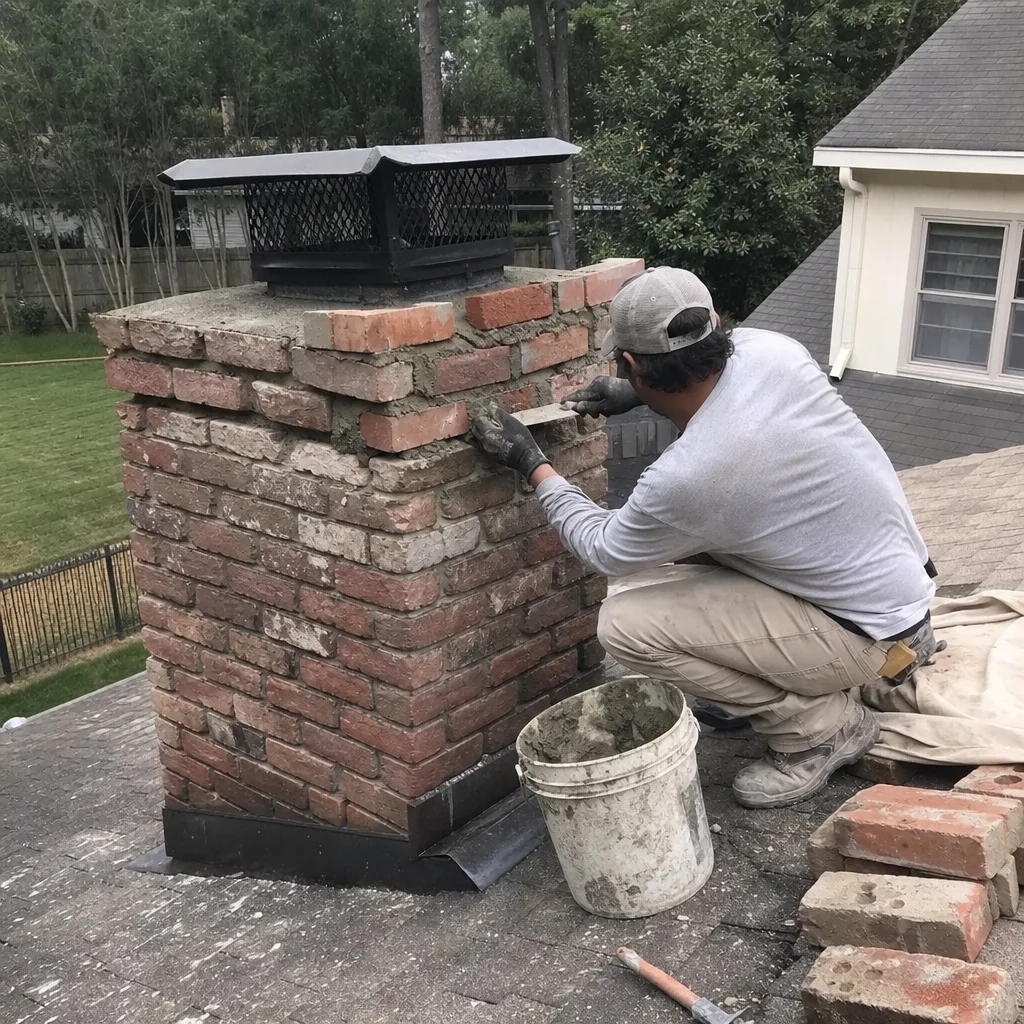
Chimney inspection documentation has a longer useful life than most homeowners expect. A properly formatted Level 2 report can support insurance applications, warranty claims, property tax appeals (for historic preservation credits), and - most critically - real estate disclosures for a decade or more. But only if it’s stored and formatted correctly.
Step-by-step: creating a chimney documentation file
- Gather existing records. Collect any prior inspection reports, sweep receipts, repair invoices, and permit documentation. For Sandy Springs properties, check the Emberly Chimney Cleaners Sandy Springs home portal if we’ve serviced your chimney - we maintain client archives back to 2009.
- Verify permit closure. For any repair work, confirm the permit was finaled. In Sandy Springs, call the Development Services Department at (470) 480-0885 with the permit number, or search online if within recent years. Unclosed permits are red flags for title companies.
- Organize chronologically. Create a single file, physical or digital, with the most recent Level 2 inspection first, followed by repair documentation with permits, then older inspections. Label each with date and service type.
- Include the photo record. Our Clause 4 documentation includes high-resolution flue interior photos. Insist on receiving these from any sweep; they are your evidence of condition at a specific date. Store them with the report, not separately.
- Note appliance changes. If you install a new insert, change fuel type, or modify the firebox, document the change and obtain a new Level 2 inspection. The prior inspection no longer covers the modified system.
- Update annually. Schedule inspection before each burning season. In Sandy Springs’ climate, with mild winters that encourage partial-season burning, annual inspection is the NFPA 211 recommendation - not a sales tactic.
- Prepare the disclosure summary. When selling, extract the most recent inspection’s condition summary and attach it to your Seller’s Property Disclosure. If repairs were made, include the permit closure documentation. If deficiencies were noted and not repaired, disclose them explicitly with the inspection date.
Format matters for real estate transactions. Buyer’s inspectors and closing attorneys prefer:
- Dated reports on company letterhead with license numbers
- Photo documentation with identifying features (bricks, damper shape, liner joints) visible, not generic stock images
- Clear statement of inspection standard (NFPA 211 Level 1, 2, or 3)
- Separate findings from recommendations - don’t bury the condition in sales language
- Written repair scope with prices, if applicable, distinct from inspection findings
In Sandy Springs’ competitive real estate market, particularly in the $800,000+ segment where buyers bring experienced inspectors, incomplete chimney documentation can trigger a $10,000-$15,000 price reduction or repair credit. The seller who produces a clean, dated Level 2 report with recent maintenance history neutralizes the issue before inspection.
We’ve had clients in the Dunwoody Panhandle and Heards Ferry areas use our decade-plus documentation archives to demonstrate consistent maintenance, supporting higher sale prices and faster closings. The Haven Standard’s continuous documentation practice - every visit, every photo, every written scope - builds a property history that has tangible market value.
For homeowners who purchased recently and have no prior records, we recommend starting the file now. A single Level 2 inspection establishes your baseline. Future inspections track change over time. When you eventually sell, that progression - or its stability - tells a clear story to buyers.
Common Mistakes to Avoid
- Assuming all sweeps perform the same inspection. A “chimney inspection” can mean a 10-minute flashlight look or a two-hour camera scan with photo documentation. In Sandy Springs, we’ve found uncertified sweeps advertising “inspections” that don’t meet NFPA 211 Level 1 standards. Ask specifically: “Will you camera-scan the flue interior?” If the answer is no or costs extra, you’re not getting a Level 2 inspection.
- Letting a contractor start permit-required work without showing you the permit. In Fulton County, the permit must be posted on-site. If your liner replacement begins and no permit is visible, work should stop. Unpermitted work cannot be finaled, and you’ll carry that liability at sale.
- Filing the inspection report without reviewing findings. Many homeowners file our report unread, then discover at sale that a “monitor and maintain” condition has worsened to “repair required.” Read the summary page; note the recommended timeline; calendar the follow-up.
- Disclosing “unknown” for chimney condition when you have a report. Georgia disclosure law requires honesty. If you have a Level 2 report noting liner cracks, checking “unknown” for chimney condition is potential fraud. Disclose what you know, with the report date.
- Assuming gas fireplaces need no inspection. Gas appliances in Sandy Springs still require venting inspection; blocked or deteriorated vents cause carbon monoxide hazards. NFPA 211 applies to all fuel types. Annual inspection is recommended regardless of fuel.
- Accepting verbal repair estimates for permit-required work. Haven Standard Clause 1 exists because verbal estimates lead to disputes. For liner replacement, crown rebuild, or insert installation, insist on written scope, written price, and written warranty before work begins. The permit application itself requires scope description; if the contractor can’t write it for you, they may not be prepared to write it for the building department.
- Neglecting exterior components in mild weather. Sandy Springs’ freeze-thaw cycles, while less severe than northern climates, still damage crowns and caps. Water infiltration through a cracked crown destroys liners from the outside. Annual inspection includes exterior assessment, not just flue cleaning.
When to Call a Professional
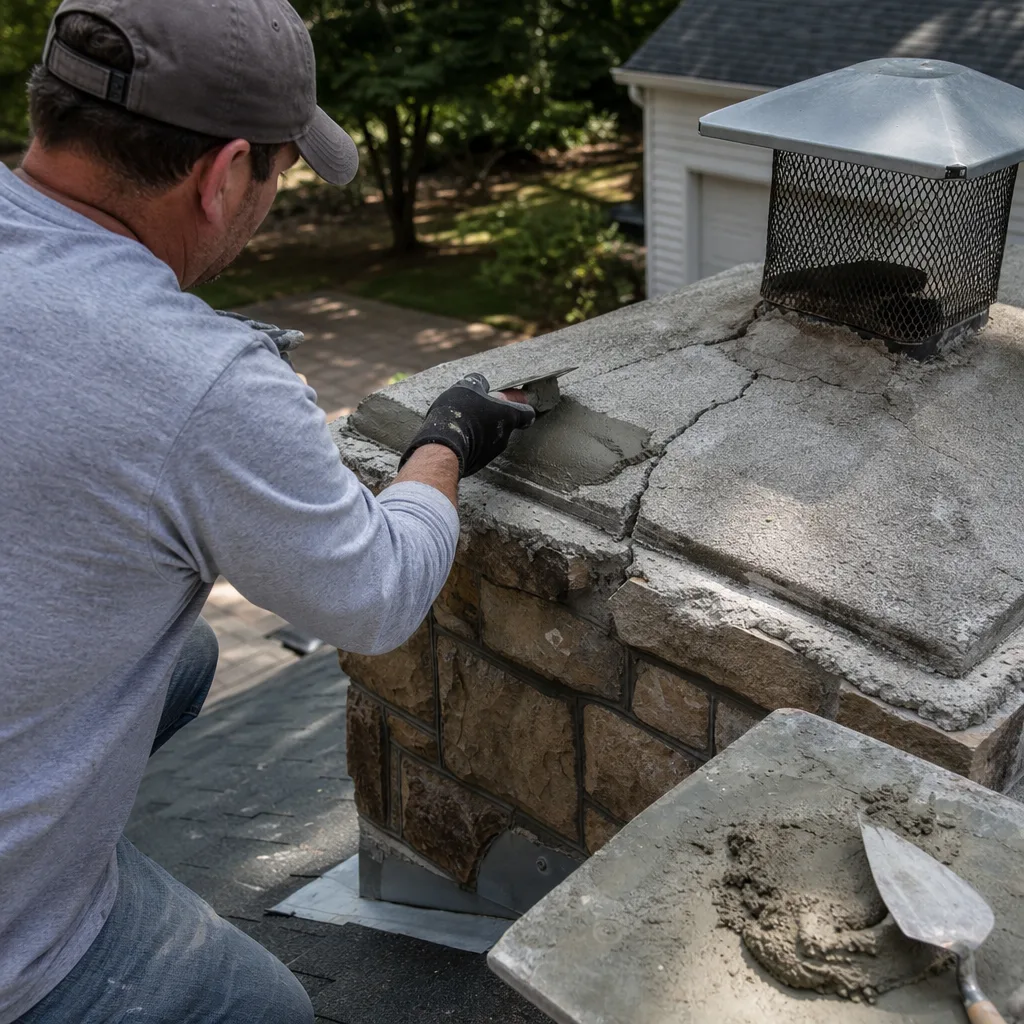
Call a qualified chimney professional when your annual inspection is due, when you notice performance changes (smoke backup, odd odors, visible exterior damage), or when any real estate transaction is pending - and see our more guides & resources for ongoing maintenance. In Sandy Springs, the intersection of Fulton County codes, Georgia’s NFPA 211 adoption, and active real estate market means chimney documentation errors are costly and common.
Specific scenarios that warrant immediate professional contact: you’ve received an insurer’s inspection requirement letter; you’re listing your home within 12 months and have no recent Level 2 report; a previous sweep noted “monitor” conditions and that timeline has passed; you’re considering a fireplace insert or fuel conversion; or you’ve discovered unpermitted work by a previous owner.
Chimney repair in Sandy Springs often begins with documentation of what exists now. We don’t recommend repair scope without current inspection. Our Free Second Opinion on Any Written Estimate applies to competitor quotes - bring us another contractor’s scope and we’ll review it against what our inspection finds, with no obligation.
Emberly Chimney Cleaners Sandy Springs offers free estimates in Sandy Springs - call (470) 480-0885. Live phone support runs 24 hours a day, 7 days a week. You’ll speak to a person, not a voicemail system, and we’ll schedule a technician with background check verification and a text-on-the-way notification.
Frequently Asked Questions
No. Routine chimney cleaning and sweeping, including camera inspection, does not require a permit anywhere in Georgia. Permits are required only when work alters the structure, venting system, or appliance - such as liner replacement, firebox repair, or insert installation. Call (470) 480-0885 for a free estimate if you’re unsure whether your needed work requires permitting.
A complete NFPA 211 Level 2 chimney inspection and cleaning in Sandy Springs typically ranges from $250 to $450, depending on appliance type, accessibility, and creosote condition. This includes camera-scan documentation, photo record, and written findings under Haven Standard Clause 4. Written repair scope and price, if needed, are provided before any additional work begins. Call (470) 480-0885 for an exact quote - estimates are free.
Annually, per NFPA 211, for all solid fuel appliances regardless of use frequency. Sandy Springs’ mild winters encourage intermittent burning, which produces more creosote per fire than consistent hot fires. Gas fireplaces should also be inspected annually for venting integrity. We’ve documented advanced creosote buildup in Sandy Springs chimneys used only “a few times each winter” - frequency of use is not a reliable predictor of condition.
Unlined masonry chimneys are a code deficiency under current Georgia standards, though they were legal when many Sandy Springs homes were built. The question is not whether you can use it - many do - but whether you can insure it, sell it, or safely contain a chimney fire if one occurs. A Level 2 inspection with camera documentation shows the actual condition of your flue walls. We never recommend liner replacement without photo evidence you can see, and we’ll tell you plainly when the condition allows continued use with monitoring versus when replacement is urgent. Call (470) 480-0885 for a free second opinion on any liner replacement quote.
Skipped maintenance leads to creosote accumulation, which increases chimney fire risk and reduces draft efficiency. In Georgia, insurers may deny fire claims if documented maintenance was neglected. At property sale, lack of recent inspection triggers buyer inspection contingencies, price reductions, or closing delays. The cost of annual inspection is minor compared to these outcomes. Call (470) 480-0885 to schedule - estimates are free.
It depends on the inspection level and documentation format. Most Georgia insurers now require NFPA 211 Level 2 inspection with flue camera documentation for wood-burning appliances. A sweep receipt without findings documentation typically does not satisfy this requirement. Our reports are formatted for direct insurer submission, with all required elements included as standard under Haven Standard Clause 4. Call (470) 480-0885 if you’ve received an insurer inspection letter - we can review the specific requirements and confirm our documentation meets them.
Cleaning removes combustible deposits from the flue and firebox. Inspection evaluates the system’s condition, including structural integrity, clearances, and appliance installation. NFPA 211 specifies inspection levels: Level 1 (visual accessible surfaces), Level 2 (camera scan of flue interior, accessible attics and crawl spaces), and Level 3 (destructive investigation of concealed areas). At Emberly Chimney Cleaners Sandy Springs, our standard service combines cleaning with Level 2 inspection and documented photo record - you receive both maintenance and condition documentation in one visit. Fireplace services in Sandy Springs should always include this combined approach.
The Bottom Line
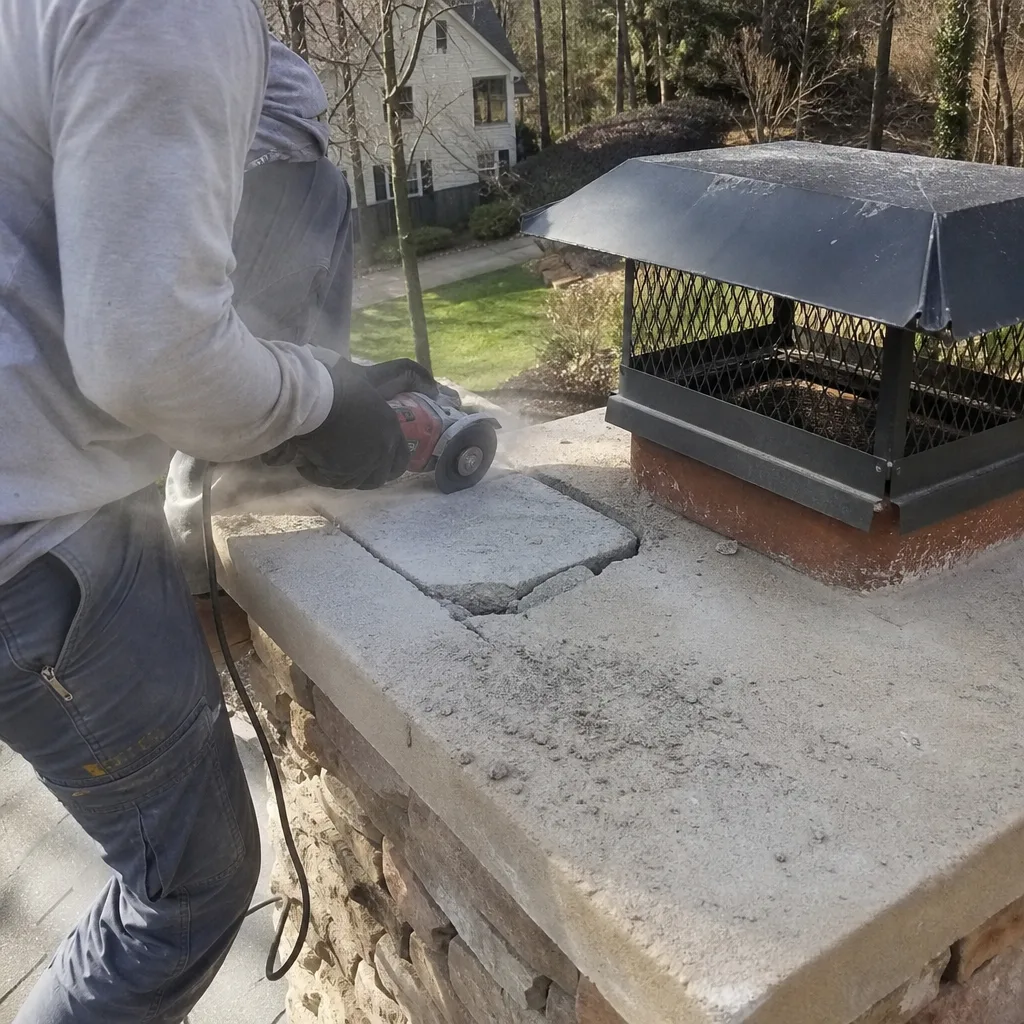
Georgia’s chimney regulations are straightforward once you know the dividing line: cleaning needs no permit, but alteration always does. NFPA 211 Level 2 inspection with camera documentation is your protection at insurance renewal, property sale, and every burning season in between. In Sandy Springs’ active real estate market, incomplete documentation costs sellers time and money. The homeowners who fare best are those who maintain continuous inspection records, understand when permits apply, and work with contractors who document everything in writing before work starts. That’s the practice we’ve followed since 2009, codified as the Haven Standard, applied to every one of the 38,000+ chimneys we’ve serviced.
Written by Corrine Halstead, Owner at Emberly Chimney Cleaners Sandy Springs, serving Sandy Springs since 2009.