
Last updated September 21, 2026
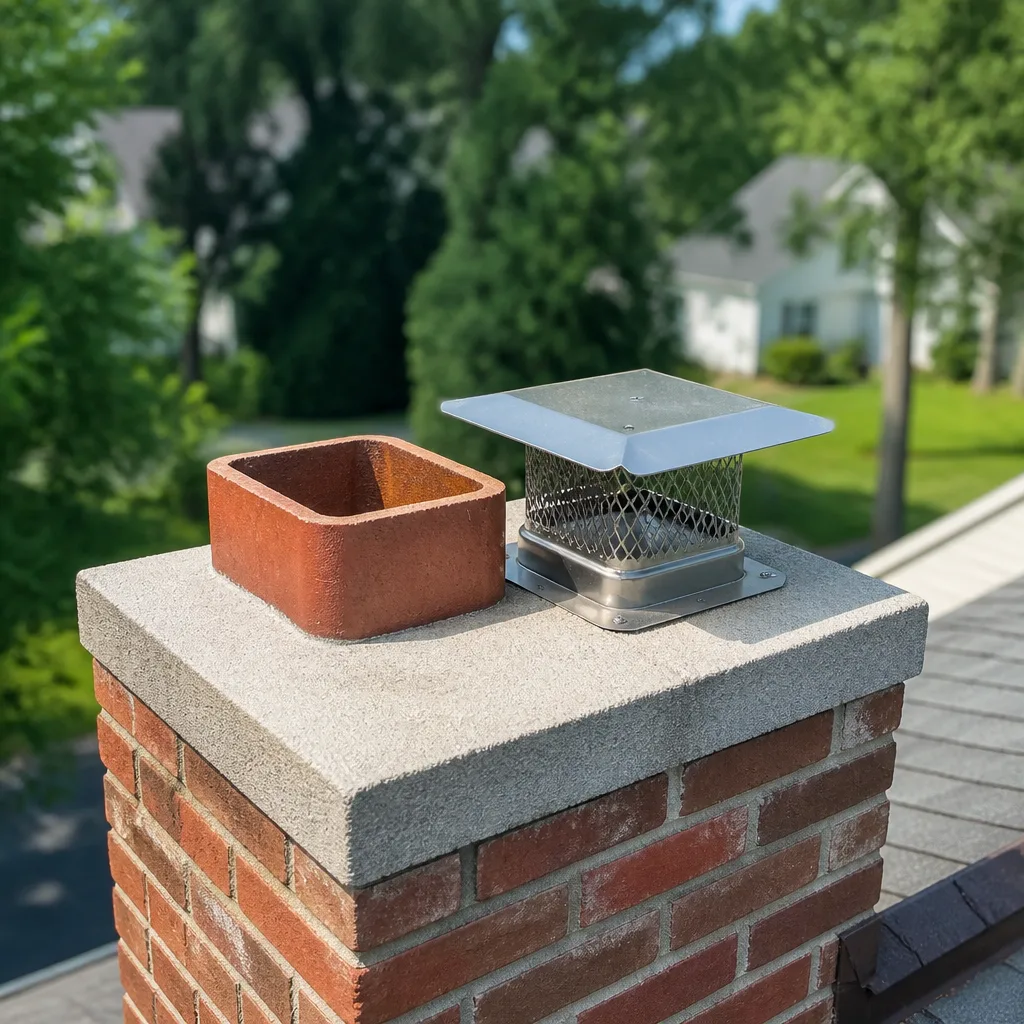
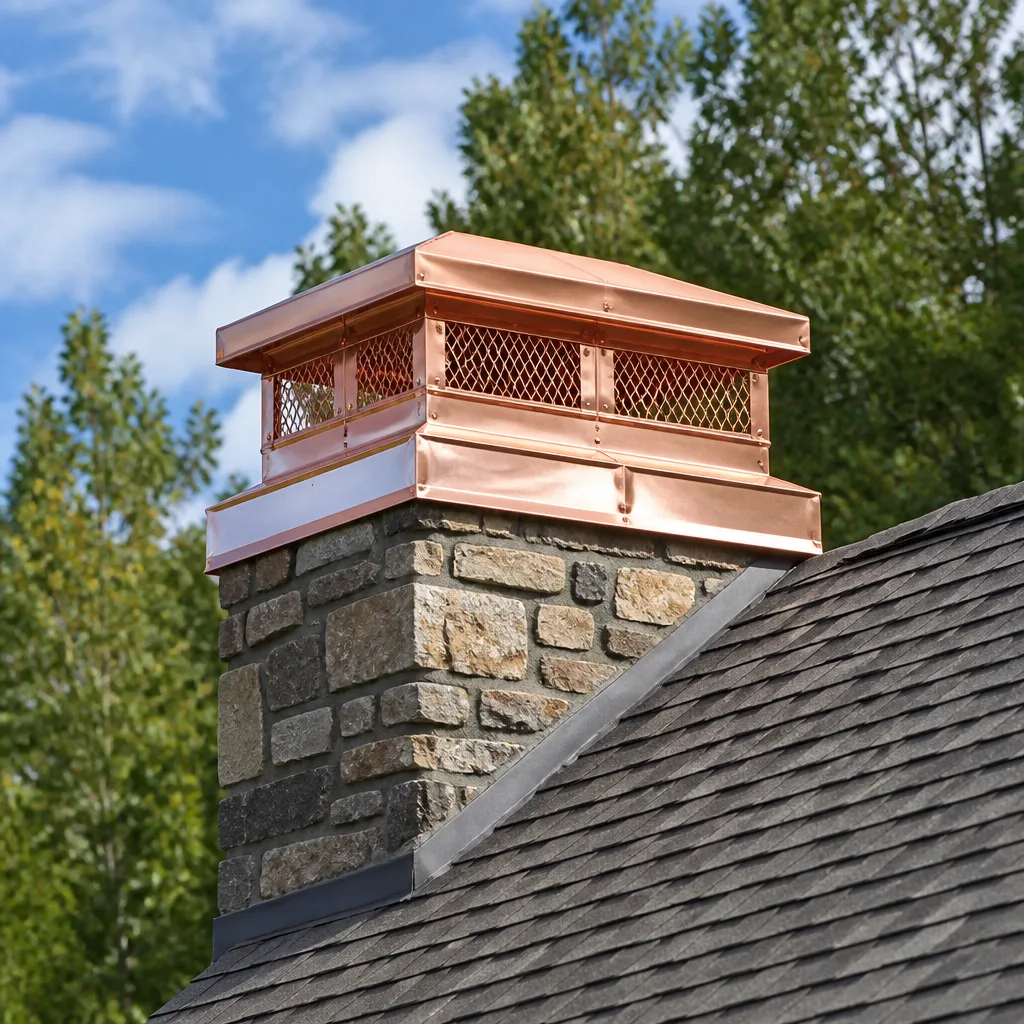
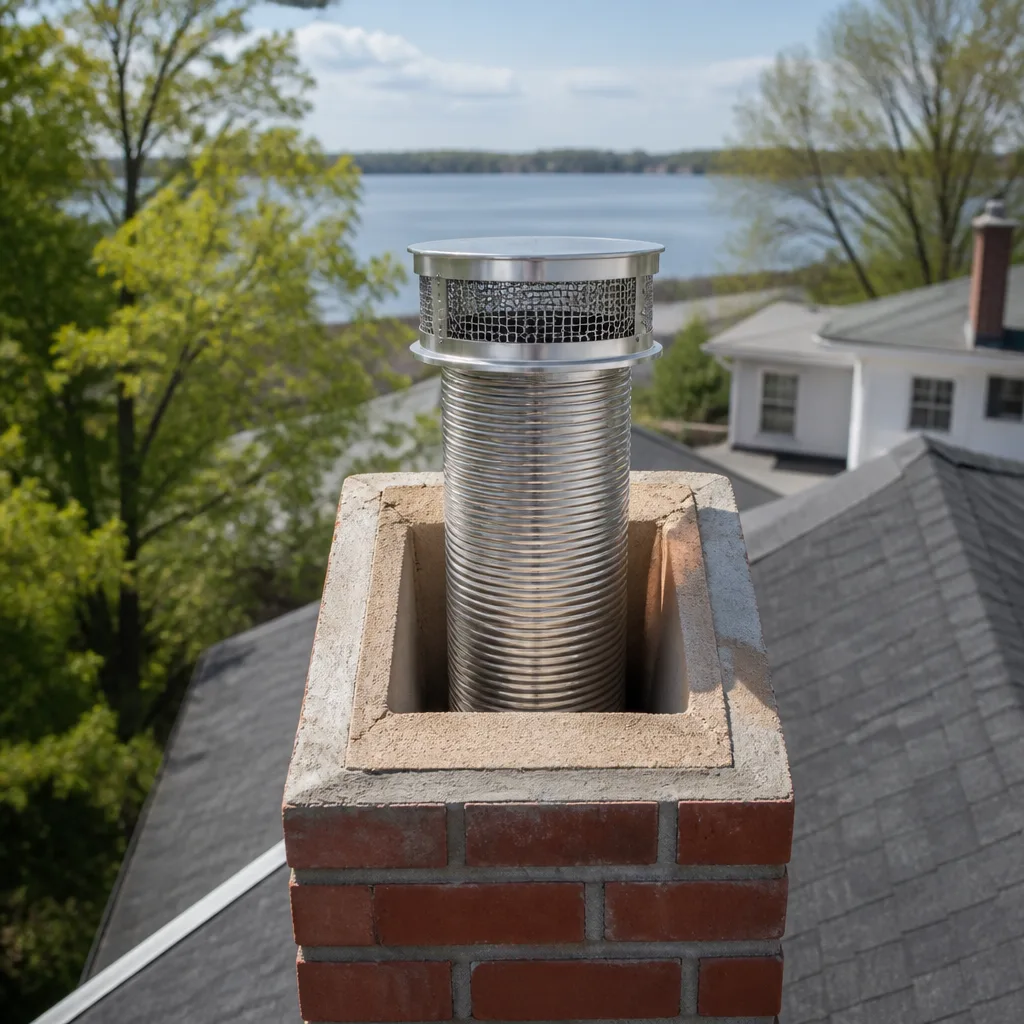
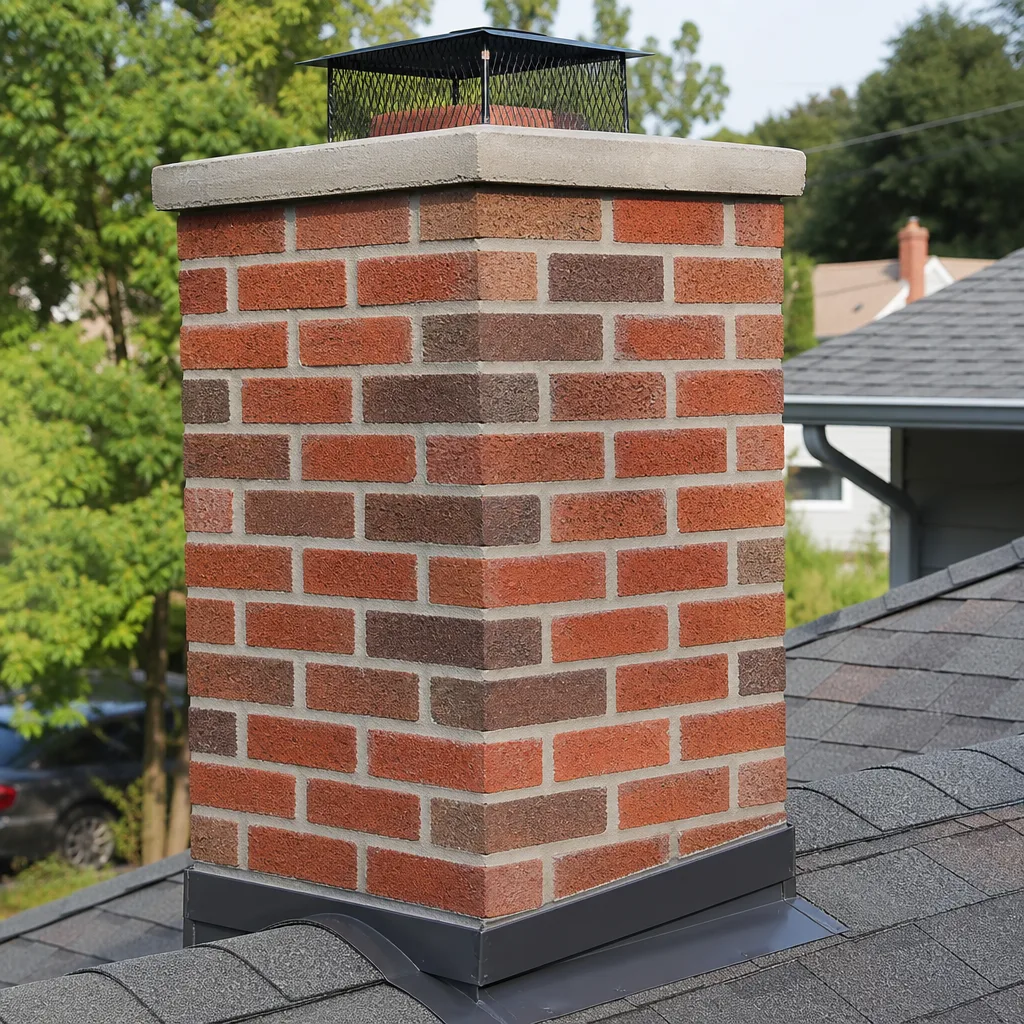
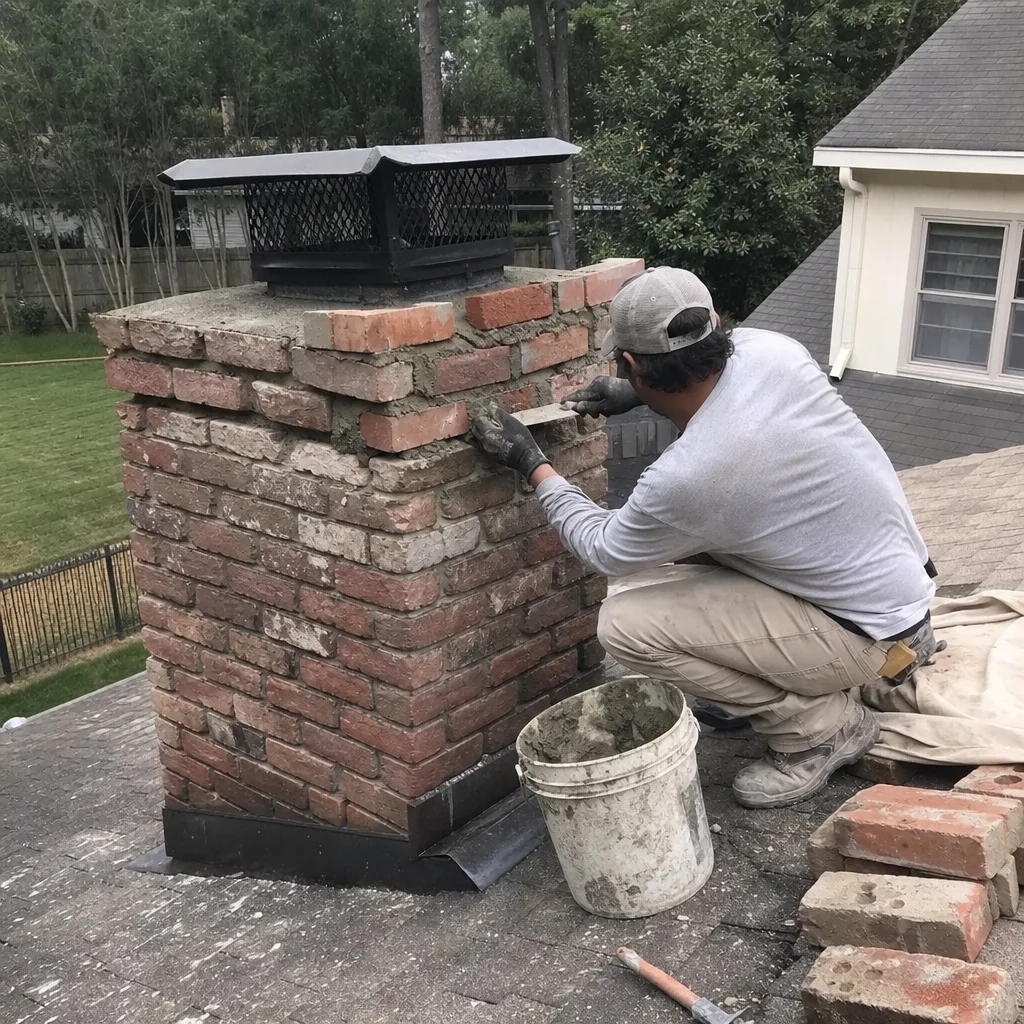
Level 1 sweep and inspection to the NFPA 211 annual standard - flue, crown, cap, and flashing checked and photographed
Chimney sweep logs do not sweep chimneys. They loosen some creosote - which then falls where a brush and vacuum still have to collect it.
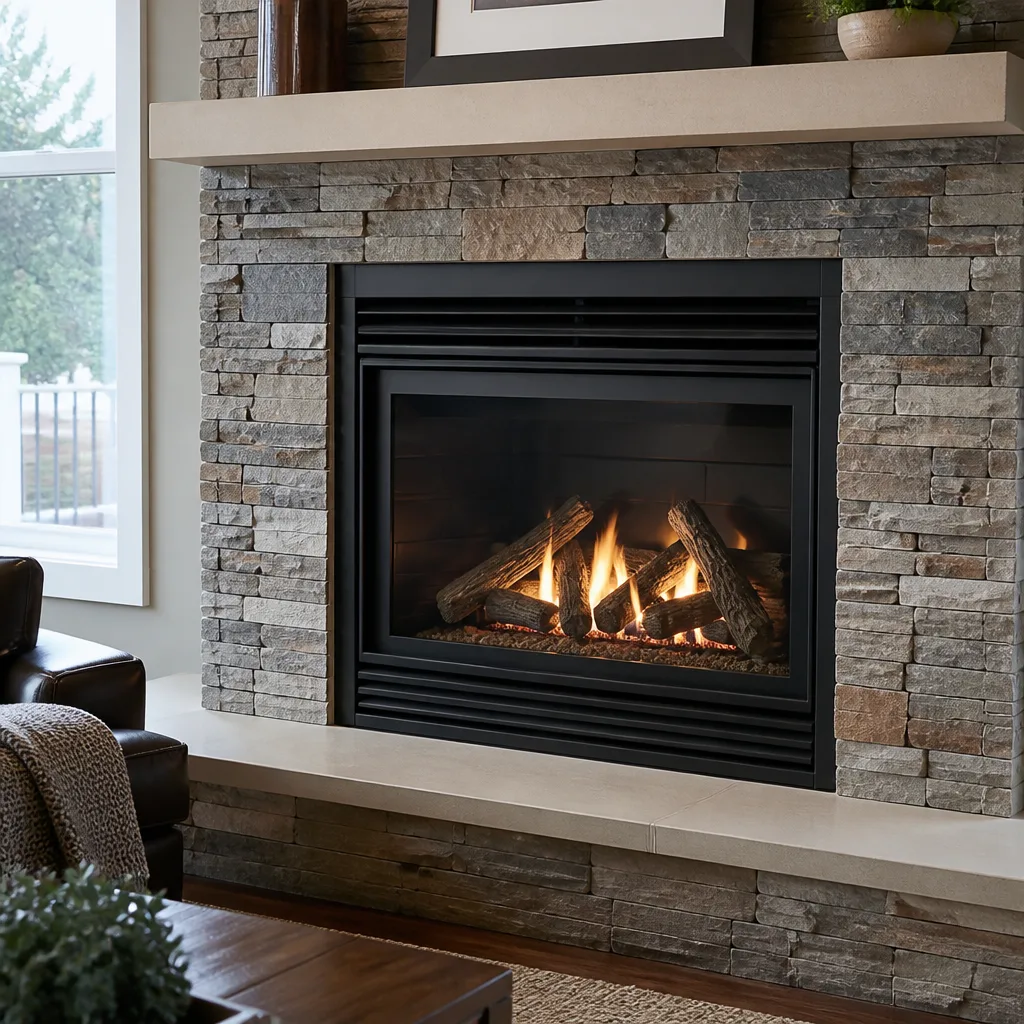
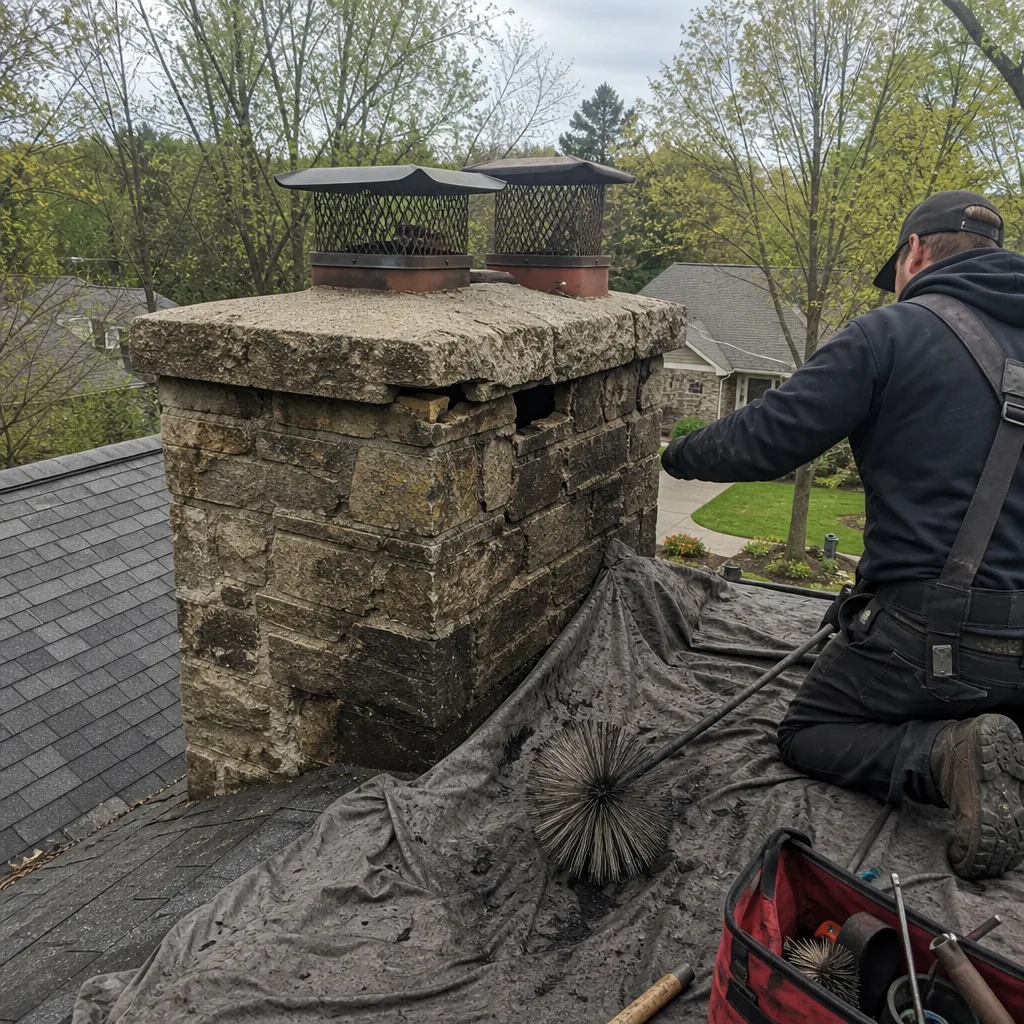 Before
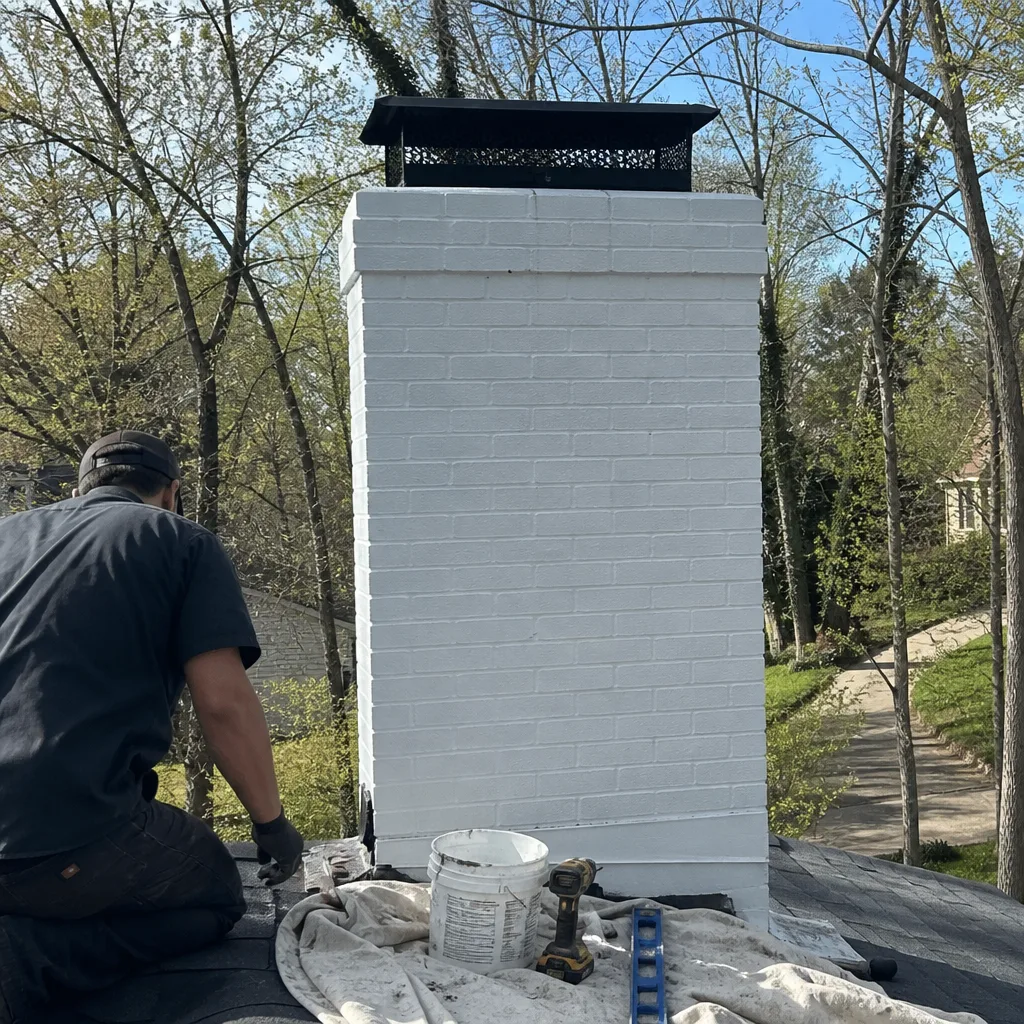 After
After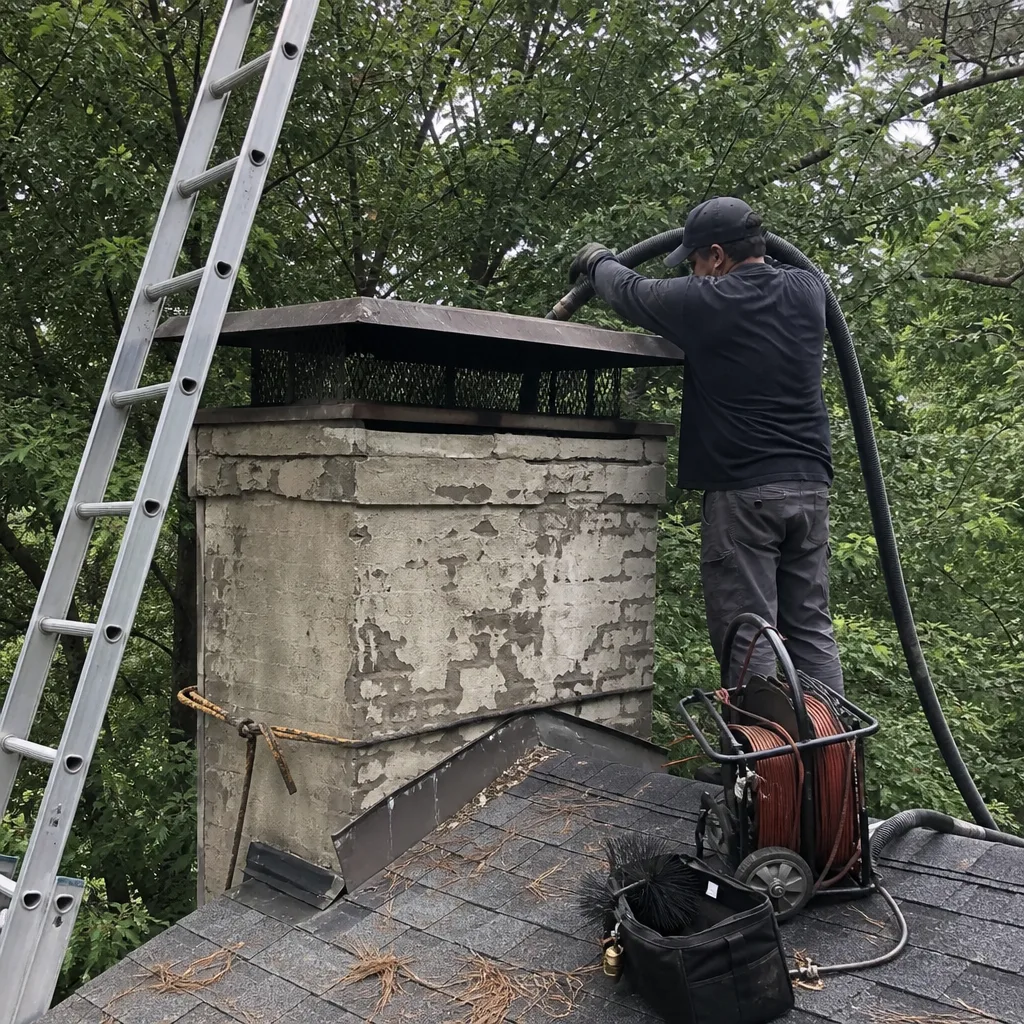 Before
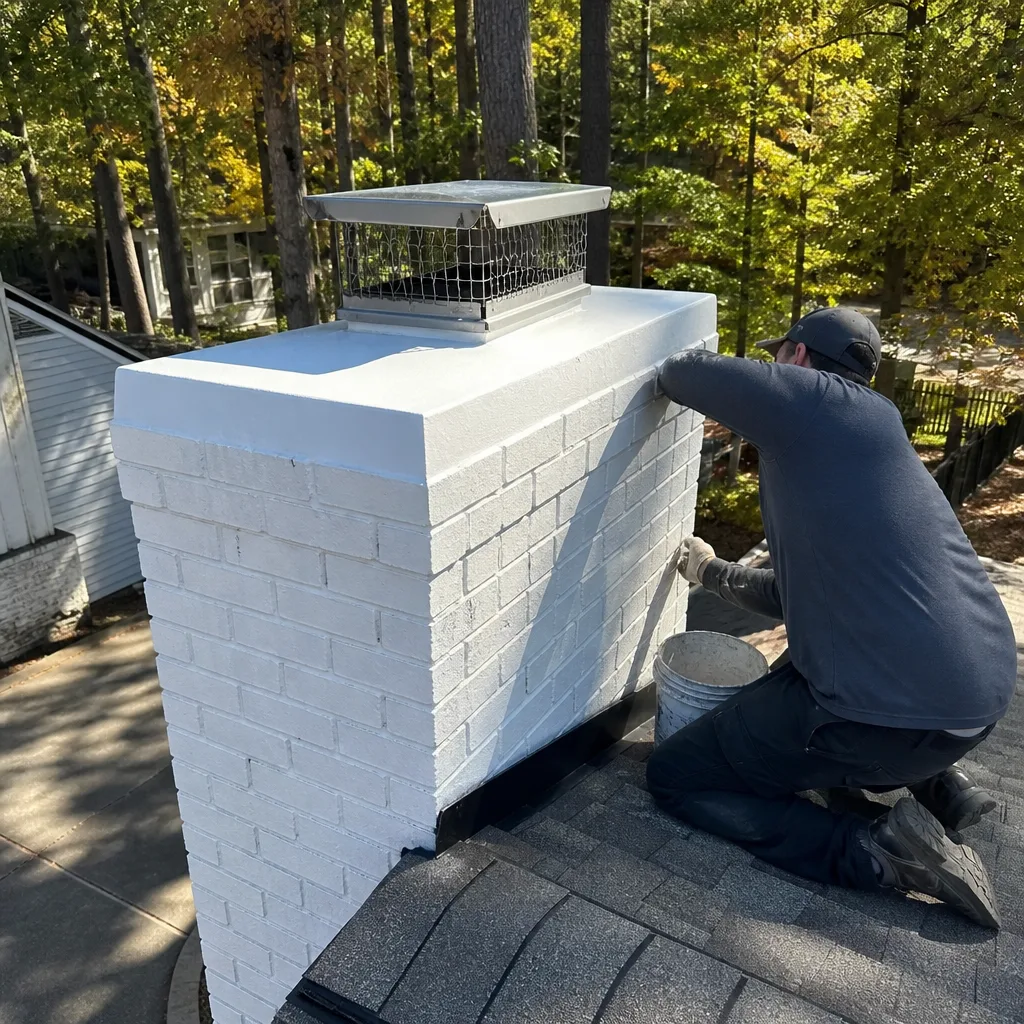 After
AfterDIY vs Professional Chimney Cleaning: The Sandy Springs Homeowner’s Decision Guide
A homeowner who brushes their own flue when Stage 2 glazed creosote is already present does not clean the chimney. They dislodge a surface layer and leave the harder, more flammable deposit intact while believing the job is done. In Sandy Springs, where our humid subtropical winters drive homeowners to burn compressed logs and seasoned hardwood on irregular schedules, we see this exact scenario during post-DIY inspections more often than you’d expect. This guide starts with the diagnostic step most how-to articles skip: determining whether your chimney’s condition even permits safe DIY brushing. You’ll learn the creosote classification system, the real cost of proper DIY equipment, the three conditions that make self-cleaning categorically inappropriate, and how to document any work you do perform.
Quick Answer
DIY chimney brushing is appropriate only when your flue contains Stage 1 powdery soot, your liner is intact, and no animal obstructions or structural damage is present. For most Sandy Springs homeowners with systems older than 10 years or burning more than one cord per season, professional cleaning with NFPA 211 Level 2 camera inspection is the safer and more cost-effective choice when documentation, insurance compliance, and hidden condition detection are factored in.
Table of Contents
- What Chimney Cleaning Actually Removes
- The Creosote Classification System: The DIY Threshold Test
- What DIY Chimney Cleaning Actually Requires (and Costs)
- Three Conditions That Rule Out DIY, Regardless of Skill
- What Professionals Produce That DIY Cannot
- Using DIY as Documented Interim Maintenance
- Sandy Springs Climate and Burning Patterns
- Cost Comparison: DIY vs. Professional in Sandy Springs
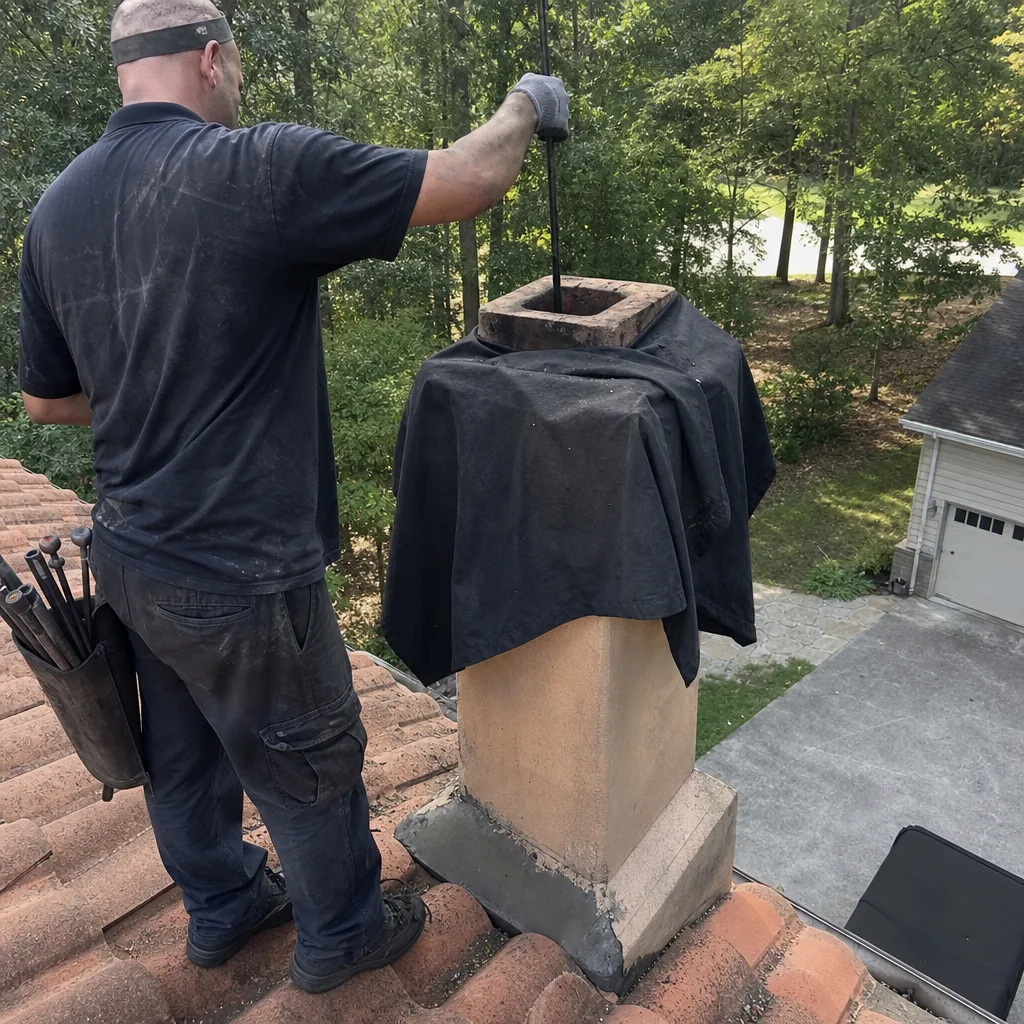
BeforeAfterWhat Chimney Cleaning Actually Removes
Chimney cleaning removes combustion byproducts that accumulate on flue walls: soot, ash, and creosote. Soot is carbon particulate. Ash is mineral residue. Creosote is the problem, and it exists in three distinct forms that demand different removal methods.
The flue liner, smoke chamber, and firebox each collect debris differently. The flue liner, typically clay tile, stainless steel, or cast-in-place, carries exhaust gases upward. The smoke chamber, the area above the damper and below the flue throat, is where turbulence deposits heavy buildup. The firebox itself contains ash and partially burned material. A brush pushed from the top down or bottom up contacts only the flue liner surfaces it can reach. It does not clean the smoke chamber effectively, cannot inspect the liner for cracks, and reveals nothing about the crown, cap, or exterior masonry condition.
In Sandy Springs, where many homes in neighborhoods like Dunwoody Panhandle and Riverside were built during the 1970s and 1980s chimney boom, we regularly find clay tile liners with spalled surfaces, cracked flue tiles, and deteriorated mortar joints that no brush will expose. The combustion byproducts may be removed from the visible surface while the underlying system degrades. This is why the diagnostic step precedes the cleaning decision.
Professional Chimney Sweep in Sandy Springs includes the full system assessment that determines what cleaning method is appropriate, not merely whether cleaning is needed.
The Creosote Classification System: The DIY Threshold Test
Creosote progresses through three stages, and the stage present in your flue is the single most important factor in the DIY vs. professional decision. You can make a preliminary determination from the firebox without specialized equipment.
Stage 1: Powdery or Flaky Soot
Stage 1 creosote is black, dusty, and brushes off easily. It forms during complete combustion of dry, seasoned hardwood at adequate temperatures. If you can wipe the firebox walls with a gloved finger and collect loose, charcoal-like material, and if your last professional inspection confirmed liner integrity within the past 12 months, DIY brushing is genuinely appropriate. This is the narrow condition set where self-cleaning makes practical sense.
Stage 2: Gummy or Crusty Glaze
Stage 2 creosote is shiny, hard, and tar-like. It forms from burning unseasoned wood, smoldering fires, or frequent low-temperature burns, common in Sandy Springs where homeowners light “atmospheric” fires for ambiance rather than heat. Stage 2 cannot be removed with standard brushes. It requires rotary cleaning with chains or whips at controlled speed, often with chemical pretreatment. Attempting DIY removal on Stage 2 glaze polishes the surface, compacts the deposit, and creates a false sense of completion. We have inspected chimneys in Sandy Springs where homeowners brushed annually for three years, never realizing the glaze layer was thickening beneath a powdery surface.
Stage 3: Hardened, Glossy Glaze
Stage 3 creosote is a dense, enamel-like coating that significantly reduces flue diameter and elevates fire risk. It requires aggressive mechanical removal, often with power tools and chemical agents, and may necessitate liner replacement if the deposit has caused thermal damage. DIY removal is categorically inappropriate. The tools required are specialized, the technique is safety-critical, and the condition assessment demands camera inspection to evaluate liner damage beneath the deposit.
How to Check From the Firebox
- Wait 24 hours after last use for complete cooling.
- Wear a respirator rated N95 or higher, gloves, and eye protection.
- Open the damper fully and shine a bright flashlight up the flue.
- Look for: loose black material that falls when touched (Stage 1); shiny, sticky, or hardened surfaces that resist scraping (Stage 2+); any visible cracks, gaps, or daylight through liner joints (structural issue, stop immediately).
- Insert a fireplace poker or similar tool and gently scrape the flue wall 2-3 feet above the damper. Collect material on white paper for examination.
If you encounter anything other than loose, powdery soot, or if you cannot see the flue clearly, the threshold for DIY has not been met. In our experience across 38,000+ inspections since 2009, homeowners who perform this check honestly identify Stage 2+ in roughly 60% of cases where they initially assumed simple soot buildup.
What DIY Chimney Cleaning Actually Requires (and Costs)
The internet’s typical DIY chimney cleaning article lists a brush, rods, and a vacuum. The actual requirement list is longer, and the real costs affect the value comparison significantly.
Required Equipment and Supplies
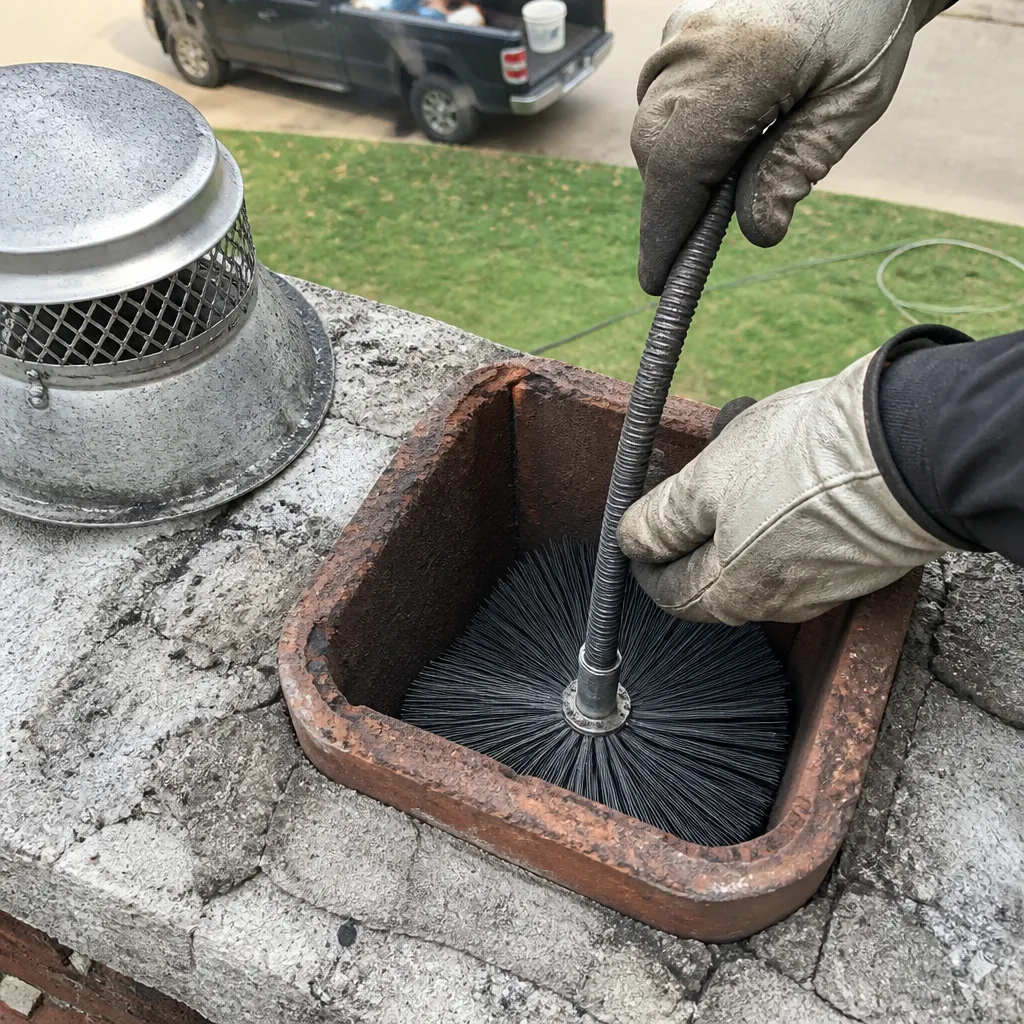
- Chimney brush sized to your flue diameter (polypropylene for metal liners, wire for masonry; incorrect selection damages liners): $25-$65
- Extension rods, fiberglass or polypropylene, sufficient for flue height plus 10 feet for working room: $40-$90
- HEPA vacuum or shop vacuum with fine particulate filter (standard filters pass respirable silica and combustion particles): $150-$400, or rental $35/day
- Respirator, N95 minimum, P100 preferred for creosote dust: $15-$40
- Safety glasses, chemical splash rated: $10-$20
- Drop cloths, heavy plastic, for firebox and hearth protection: $20-$40
- Flashlight, 1000+ lumen, for flue examination: $25-$60
- Mirror or inspection camera (smartphone-compatible borescope recommended): $30-$80
- Creosote remover powder or spray, for pretreatment if Stage 1 is borderline: $15-$30
- Roof access equipment: ladder stabilizer, roof harness, or professional chimney cap removal tools if top-down cleaning preferred: $100-$300
- Disposal supplies: sealed bags for creosote waste (cannot go in standard household trash in Fulton County; requires designated construction/demolition waste stream or hazardous waste day): $10-$20 plus transport
Realistic first-year DIY cost: $430-$1,145 for equipment that may see annual use. Amortized over five years assuming no replacement needs: $86-$229 per cleaning. This assumes the homeowner already owns a suitable ladder and has safe roof access.
Required Procedure (Bottom-Up Method, Safest for Most Homeowners)
- Seal the firebox opening with plastic sheeting, leaving only brush access.
- Cover the hearth and adjacent flooring completely.
- Attach brush to rods and insert through damper opening.
- Add rods and brush with firm up-and-down motion, rotating quarter-turn each stroke.
- Continue to flue top or until resistance indicates cap obstruction.
- Withdraw slowly, collecting dislodged material on sheeting.
- HEPA vacuum all surfaces; bag creosote waste for proper disposal.
- Inspect flue with mirror or camera for remaining deposits and liner condition.
Time required: 2-4 hours for competent execution, longer for first attempts. Risk of incomplete cleaning, liner damage from incorrect brush type, or personal injury from ladder work is not reflected in this cost.
For comparison, professional Chimney Sweep in Sandy Springs includes all equipment, labor, disposal, and the critical inspection component in a single quoted price.
Three Conditions That Rule Out DIY, Regardless of Skill
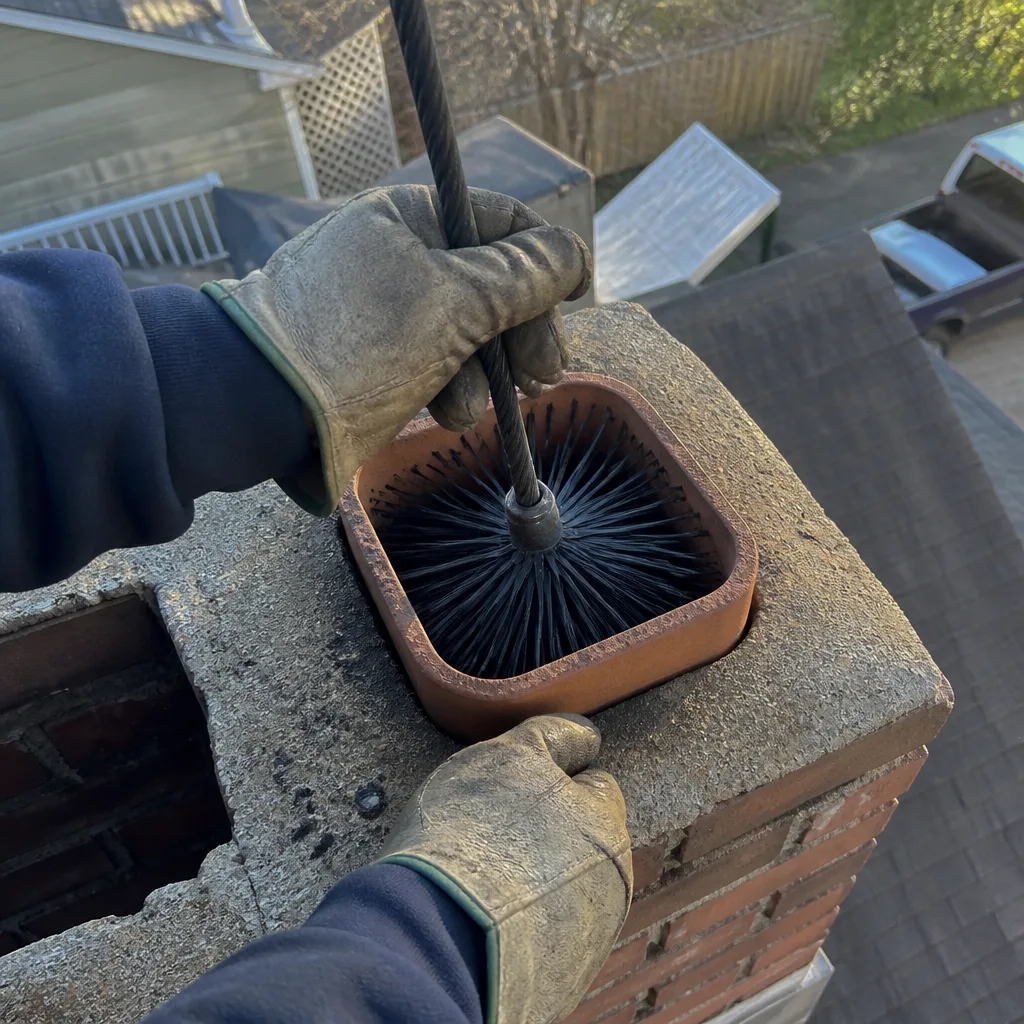
Even with Stage 1 creosote and complete equipment, three chimney conditions make self-cleaning inappropriate. These conditions are not reliably detectable without camera inspection, which is why the preliminary firebox check is only a screening tool, not a clearance.
1. Liner Damage
Cracked clay tiles, corroded stainless steel, or deteriorated cast-in-place liners allow combustion gases to penetrate surrounding masonry. This creates carbon monoxide risk and accelerates structural damage. A brush passing through a cracked liner can worsen the defect, dislodge tile fragments into the flue, or mask the damage with soot redistribution. In Sandy Springs, where freeze-thaw cycles are milder than northern climates but where clay tile liners from the 1970s-1990s are reaching end of service life, we find previously undetected liner damage in approximately 35% of first-time professional inspections.
2. Animal Obstruction or Nest
Squirrels, raccoons, and chimney swifts are active in Sandy Springs year-round, with peak nesting in spring and early fall. A partially blocked flue may still draft sufficiently for casual use while concentrating combustion byproducts in the obstruction zone. DIY brushing can compact nests, drive animals into the smoke chamber or living space, or expose the homeowner to histoplasmosis from accumulated guano. Wildlife removal requires specific techniques and, for protected species like chimney swifts, federal compliance. This is not a cleaning task.
3. Stage 2+ Creosote Buildup
As detailed above, Stage 2 glazed creosote and Stage 3 hardened glaze require mechanical and chemical methods beyond homeowner equipment. Attempted DIY removal on these deposits is ineffective and potentially hazardous, creating polished surfaces that resist future professional treatment and increasing the risk of chimney fire from the intact underlying layer.
Any of these three conditions transforms cleaning from maintenance into repair or remediation. The homeowner’s skill with brushes and rods is irrelevant when the system itself requires professional assessment.
Chimney Repair in Sandy Springs addresses these conditions with documented inspection, proper materials from suppliers like Gelco and Olympia Chimney, and warranty-backed workmanship.
What Professionals Produce That DIY Cannot
The physical act of brush cleaning is not the primary value of professional chimney service. The deliverables surrounding that act are what justify the cost and create long-term protection for the homeowner.
The Camera-Scan Inspection Record
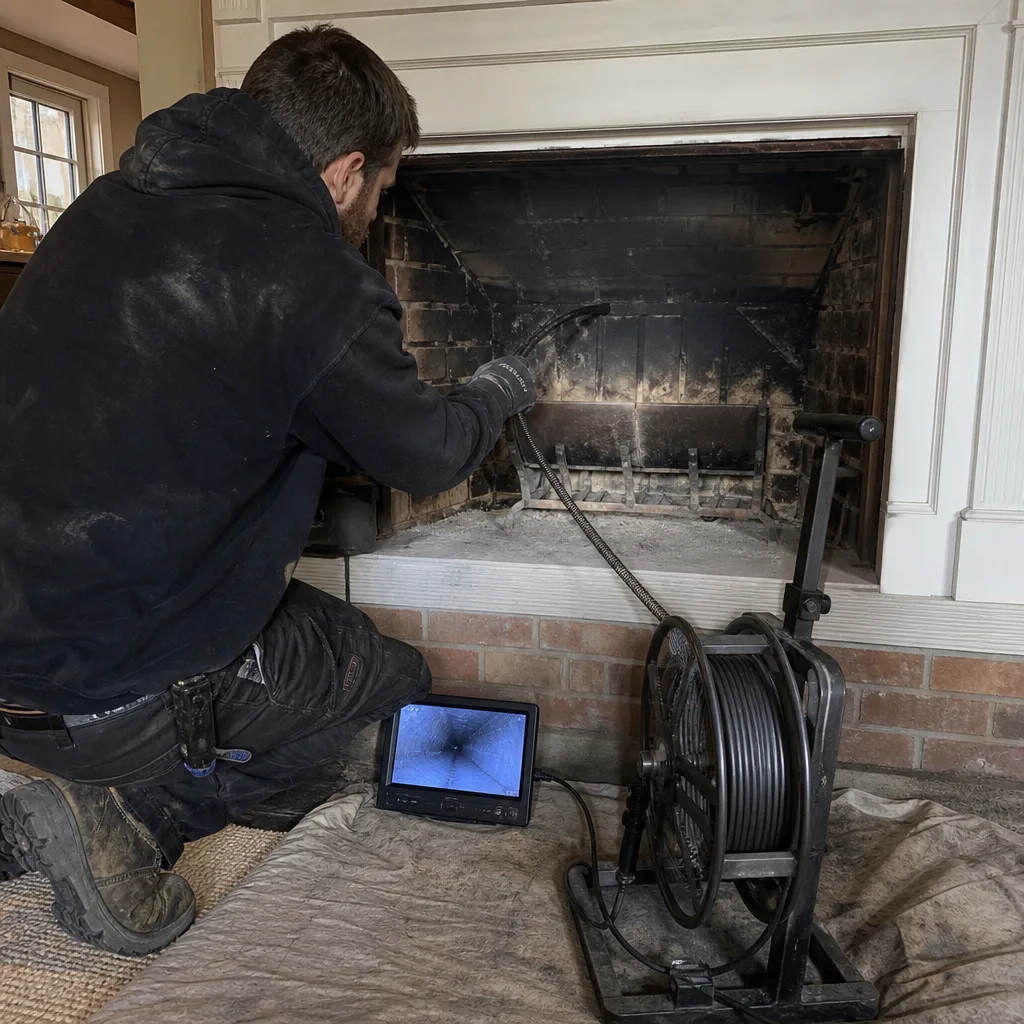
NFPA 211 Level 2 inspection requires internal visual examination of the flue and accessible portions of the chimney structure. At Emberly Chimney Cleaners, this means a high-resolution camera scan from firebox to cap, with footage and still images archived under Clause 4 of the Haven Standard. This practice, continuous since 2009, produces a dated, documented record of system condition that:
- Satisfies homeowner insurance requirements for wood-burning appliance coverage
- Documents pre-existing condition for real estate transactions
- Enables year-over-year comparison to detect deterioration trends
- Supports warranty claims for liner or cap materials from manufacturers like DuraFlex, HeatShield, and Famco
No DIY cleaning produces this record. A homeowner’s verbal assurance that “I cleaned it myself” carries no weight with insurers, buyers, or arbitrators.
The Written Price, Scope, and Warranty
Clause 1 of the Haven Standard requires a written price, written scope, and written warranty before any work begins. This eliminates the post-work invoice surprise that drives most homeowner complaints about service trades. The price quoted is the price paid. The scope described is the scope performed. The 365-Day Done Right Promise covers the result.
The Post-Cleaning Documentation Package
After professional service, the homeowner receives: the camera footage and still images; the written inspection report with condition ratings; the cleaning completion certificate; and the warranty documentation. This package is transferable to subsequent owners and retrievable from our archive for future reference.
DIY cleaning produces none of this. The homeowner has personal knowledge, unverified, with no timestamp, no imagery, and no third-party validation.
Detection of Conditions Beyond Cleaning
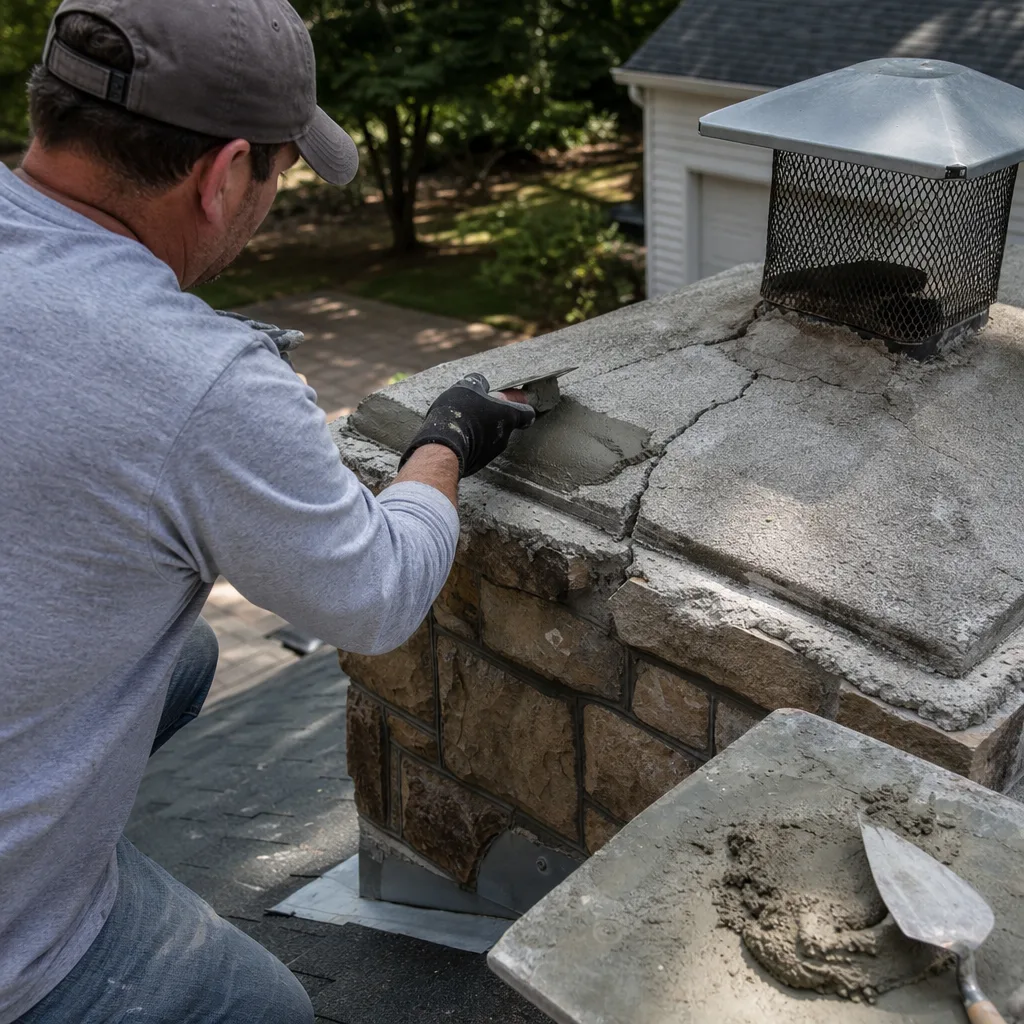
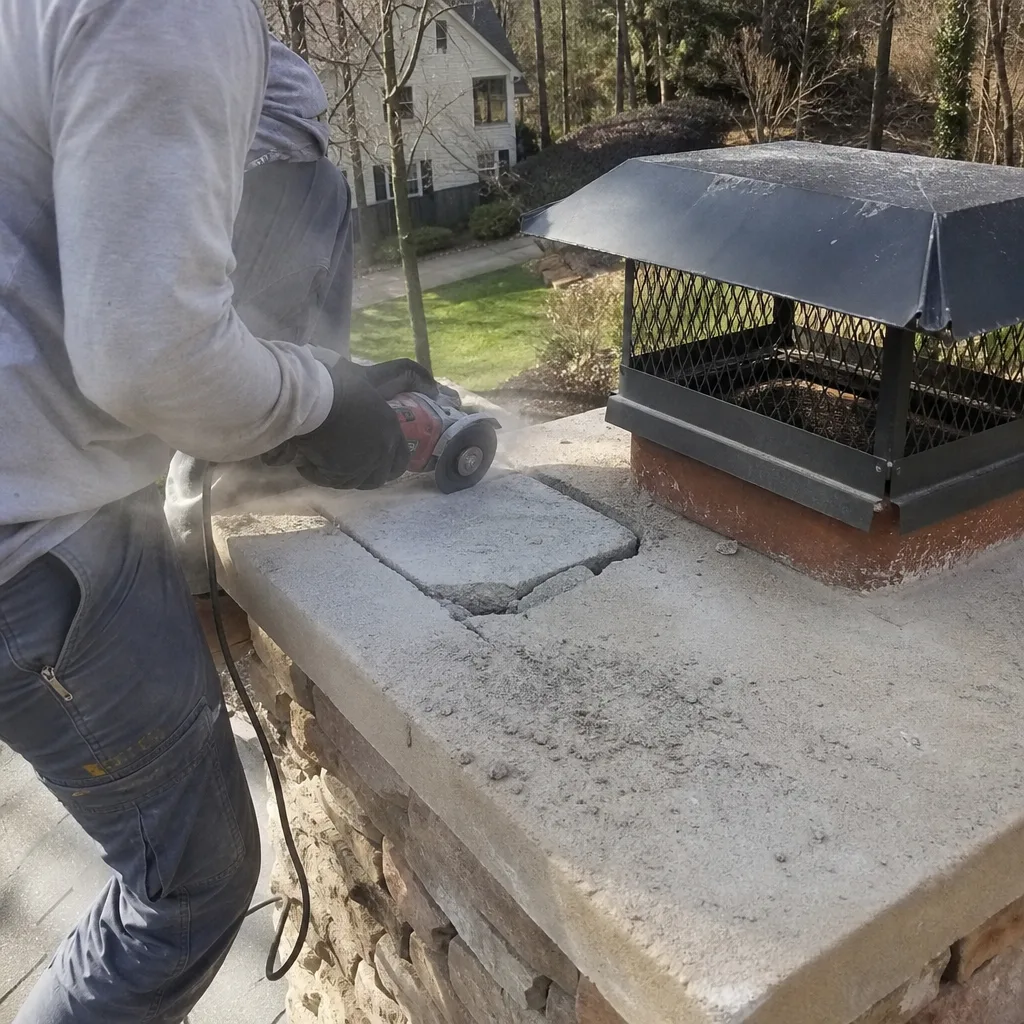
Professional inspection identifies crown cracks, cap deterioration, flashing failures, and exterior masonry spalling that no internal brushing will reveal. In Sandy Springs, where afternoon thunderstorms drive water intrusion and where mature tree canopies deposit debris that accelerates cap corrosion, these exterior conditions are at least as common as internal buildup. A homeowner who brushes a flue while the crown crumbles has maintained the wrong component.
Fireplace Services in Sandy Springs include comprehensive system evaluation that addresses the full appliance and venting assembly, not merely the flue passage.
Using DIY as Documented Interim Maintenance
For homeowners who meet the narrow DIY-appropriate conditions, self-cleaning can serve as legitimate interim maintenance between professional inspections. The critical requirement is documentation that does not overstate the scope of work performed.
The Maintenance Log Format
A valid DIY maintenance log contains:
- Date and weather conditions at time of cleaning
- Fuel burned since last cleaning (type and approximate quantity)
- Creosote stage determination from firebox examination, with photo
- Equipment used (brush type, rod material, vacuum specification)
- Procedure followed (bottom-up or top-down, any difficulties encountered)
- Post-cleaning visual assessment (mirror or camera image of flue condition)
- Next professional inspection due date (NFPA 211 recommends annual inspection; DIY cleaning does not extend this interval)
This log should be stored with home maintenance records and presented to the professional inspector at the next scheduled service. It demonstrates proactive maintenance without claiming professional-equivalent assessment.
What the Log Must Not Claim
The log must not state or imply that the chimney was “inspected,” “certified,” or “cleared” by the homeowner. These terms have specific meanings in NFPA 211 and carry liability implications. The log documents cleaning activity only. Condition assessment remains the province of professional inspection with appropriate equipment and training.
We have reviewed homeowner maintenance logs during Emberly Chimney Cleaners Sandy Springs home inspections that assisted our assessment by showing burning patterns and cleaning frequency. We have also encountered logs that complicated matters by claiming annual “inspections” that were merely brush cleanings, creating false confidence in system condition. Precision in documentation serves the homeowner’s interest.
Sandy Springs Climate and Burning Patterns
Sandy Springs’ humid subtropical climate shapes chimney conditions in ways that affect the DIY vs. professional calculation.
Our winters are mild and intermittent. Homeowners burn irregularly, often for atmosphere rather than primary heat. This pattern produces the low-temperature, smoldering fires that generate Stage 2 glazed creosote preferentially. A household burning two cords of oak in Minnesota, with sustained high-temperature fires, may accumulate predominantly Stage 1 soot. The same quantity burned in Sandy Springs, in weekend atmospheric fires, often produces Stage 2 glaze.
Humidity accelerates exterior deterioration. Clay tile liners absorb moisture during humid summer months; freeze-thaw damage is rare, but thermal cycling from intermittent winter use stresses the material. Stainless steel liners from suppliers like Copperfield resist corrosion but still require inspection for joint separation and cap seal integrity.
The tree canopy in neighborhoods like Hammond Hills and North Springs is mature and dense. Leaves, twigs, and helicopter seeds accumulate on caps and in flues, particularly on chimneys without proper cap protection from manufacturers like Gelco or Olympia Chimney. This debris combines with creosote to form compacted obstructions that resist brushing.
Local burning restrictions during air quality alert days, common in late summer, push some homeowners toward manufactured logs marketed as “clean burning.” These products produce less visible soot but can deposit distinct chemical residues that alter creosote composition and may require modified cleaning approaches.
These factors do not make DIY cleaning impossible in Sandy Springs. They make the preliminary assessment more consequential. The homeowner who assumes their burning pattern produces simple soot, without verification, risks the Stage 2 oversight described in our opening.
Cost Comparison: DIY vs. Professional in Sandy Springs
Direct cost comparison requires accounting for equipment amortization, time value, disposal requirements, and the value of documentation produced.
| Cost Element | DIY (First Year) | DIY (Years 2-5, Amortized) | Professional Service |
|---|---|---|---|
| Equipment and supplies | $430-$1,145 | $0-$100 (replacements) | Included |
| Labor time (at modest $25/hour imputed value) | $50-$100 | $50-$100 | Included |
| Disposal (Fulton County C&D waste or hazardous waste day transport) | $15-$35 | $15-$35 | Included |
| Camera inspection equipment (purchase or rental for post-cleaning verification) | $30-$80 (purchase prorated) | $30-$80 | Included |
| Written documentation for insurance/real estate | $0 (not produced) | $0 (not produced) | Included |
| Detection of liner damage, exterior deterioration, or other conditions | $0 (not performed) | $0 (not performed) | Included |
| Total Effective Cost Per Cleaning | $525-$1,360 | $95-$315 | Quoted in writing before work begins |
The amortized DIY figure assumes the homeowner continues cleaning annually, equipment does not require replacement, and no injury or damage occurs. It also assigns zero value to the professional documentation package and condition detection.
For most Sandy Springs homeowners, the professional service represents superior value when total cost is calculated honestly. The exception is the homeowner who genuinely meets all DIY-appropriate conditions, owns suitable equipment from prior use, and values the activity as personal satisfaction rather than economic optimization.
Emberly Chimney Cleaners provides free estimates with written pricing before any commitment. Our Chimney Sweep in Sandy Springs service includes the full Haven Standard documentation package on every visit.
Common Mistakes to Avoid
- Brushing without determining creosote stage first. In Sandy Springs, we regularly find chimneys in neighborhoods like Dunwoody Club Forest where homeowners brushed for years while Stage 2 glaze accumulated beneath a powdery surface layer.
- Using the wrong brush material for the liner type. Wire brushes on stainless steel liners score and thin the metal; polypropylene brushes on heavy masonry buildup are ineffective and leave deposits that accelerate future accumulation.
- Skipping roof and exterior inspection. The flue may be clean while the crown, cap, or flashing fails, directing water into the structure. Sandy Springs’ afternoon thunderstorm pattern makes this a frequent hidden condition.
- Improper creosote disposal. Fulton County waste streams prohibit creosote in household trash. Homeowners who bag and bin it risk fines and create fire hazard in collection vehicles.
- Extending professional inspection intervals based on DIY cleaning. NFPA 211 recommends annual inspection regardless of cleaning frequency. Self-cleaning does not substitute for professional assessment of liner condition, clearances, and exterior integrity.
- Attempting top-down cleaning without proper roof safety equipment. Falls from single-story roofs cause serious injury annually. The bottom-up method is slower but eliminates this risk.
- Claiming “inspection” or “certification” status for self-performed work. This creates liability exposure and invalidates insurance coverage if a loss occurs.
When to Call a Professional
Call a professional when: creosote stage is 2 or higher; liner condition is unknown or unconfirmed; any animal activity, obstruction, or unusual odor is present; the system is more than 10 years old and has not had camera inspection; you are preparing to sell or refinance and need documented condition; or your insurer requires professional service records. In Sandy Springs, where many homes have complex chimney systems serving multiple appliances or fireplaces with historical modifications, professional assessment is the default appropriate choice.
Emberly Chimney Cleaners Sandy Springs offers free estimates in Sandy Springs. Every estimate includes a written price, written scope, and written warranty before any work begins, under Clause 1 of the Haven Standard. Call (470) 480-0885 to schedule.
Frequently Asked Questions
Professional chimney sweeping in Sandy Springs typically ranges from $200-$350 for a standard NFPA 211 Level 1 or Level 2 inspection with cleaning, depending on system complexity, accessibility, and creosote accumulation severity. Emberly Chimney Cleaners provides exact written pricing before any work begins, with no post-service additions. Call (470) 480-0885 for a free estimate specific to your system.
You need a new liner when inspection reveals cracks, gaps, or deterioration that compromise containment of combustion gases, not merely when cleaning becomes difficult. A damaged liner cannot be remedied by more frequent cleaning; it requires repair or replacement with materials from qualified suppliers like DuraFlex or HeatShield. At Emberly Chimney Cleaners, no liner replacement is recommended without camera documentation you can review yourself. Call (470) 480-0885 for a free second opinion on any written estimate.
NFPA 211 recommends annual inspection for all chimney systems, with cleaning frequency determined by creosote accumulation rather than calendar alone. In Sandy Springs, where intermittent atmospheric burning produces glaze-prone conditions, many homeowners benefit from annual cleaning even with moderate use. Heavy use, more than two cords per season, may require mid-season assessment. The inspection interval is fixed; the cleaning interval varies with use pattern and fuel quality.
Skipped cleaning allows creosote accumulation to progress through stages, increasing chimney fire risk and reducing draft efficiency. Stage 3 glazed creosote can ignite at temperatures as low as 451°F, producing flue temperatures exceeding 2,000°F that damage liners and penetrate surrounding structure. Carbon monoxide risk increases as flue diameter narrows and draft weakens. In Sandy Springs, where systems often go unused for months between burns, deterioration may progress unnoticed until failure. Call (470) 480-0885 to schedule inspection and establish appropriate maintenance frequency.
Chimney cleaning logs contain chemical agents that modify creosote structure, making it more brittle and somewhat easier to remove, but they do not clean the chimney. They are adjuncts to mechanical cleaning, not replacements. Used without brushing, they may produce misleading surface changes that mask underlying accumulation. We do not recommend reliance on cleaning logs as primary maintenance, particularly in Sandy Springs where Stage 2 glaze formation is common and requires mechanical removal.
Many insurers require professional inspection and cleaning documentation for wood-burning appliance coverage, particularly after claims or for homes in higher-risk categories. Specific requirements vary by policy; review your declarations page or contact your agent. DIY cleaning without professional documentation generally does not satisfy insurer requirements. Emberly Chimney Cleaners provides the written inspection report, cleaning certificate, and photo record that insurers typically request, archived under Haven Standard Clause 4 since 2009.
The Bottom Line
DIY chimney brushing is defensible only when Stage 1 powdery soot is confirmed, liner integrity is established by recent professional inspection, and no structural or obstruction conditions exist. The equipment cost is higher than commonly stated, the time investment is substantial, and the documentation produced is nil. For most Sandy Springs homeowners, particularly those with systems over 10 years old, irregular burning patterns that promote glaze formation, or any uncertainty about liner condition, professional service with camera inspection and written documentation is the safer, more fully accounted choice. The Haven Standard exists because we found, across 38,000+ inspections since 2009, that evidence, written price, and documented record produce better outcomes than assumption, however well-intentioned.
Call (470) 480-0885 for a free estimate. Written price before work starts. Camera documentation included. 365-Day Done Right Promise on every job.
Written by Corrine Halstead, Owner at Emberly Chimney Cleaners Sandy Springs, serving Sandy Springs since 2009.