
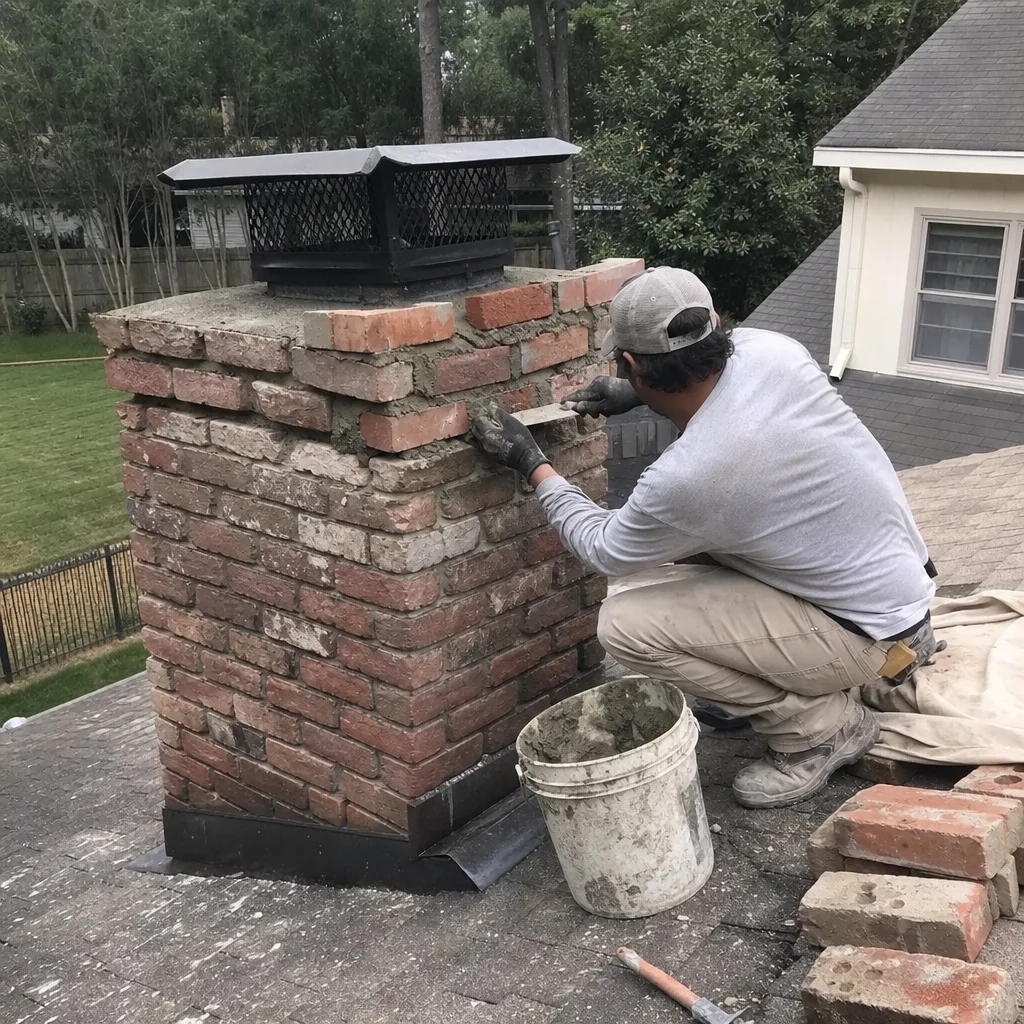
Level 1 sweep and inspection to the NFPA 211 annual standard - flue, crown, cap, and flashing checked and photographed
Chimney sweep logs do not sweep chimneys. They loosen some creosote - which then falls where a brush and vacuum still have to collect it.
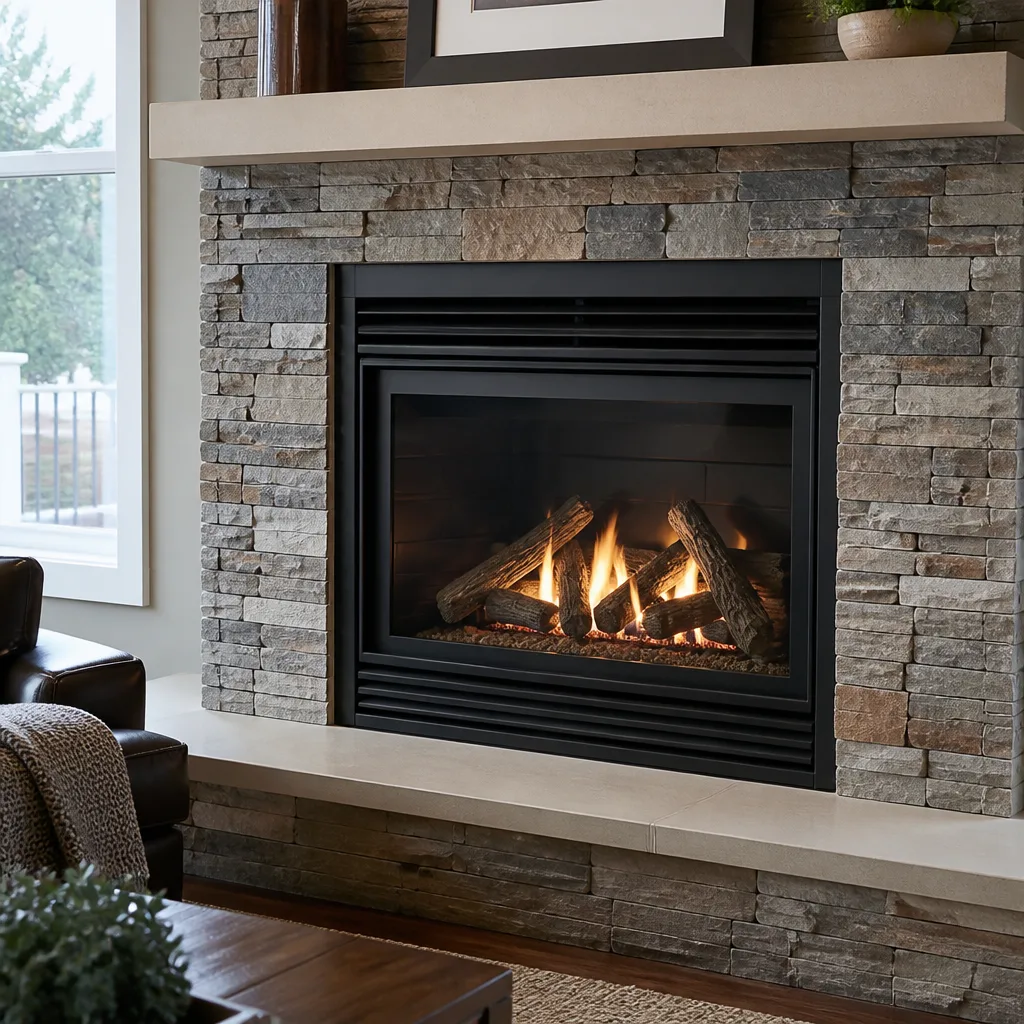
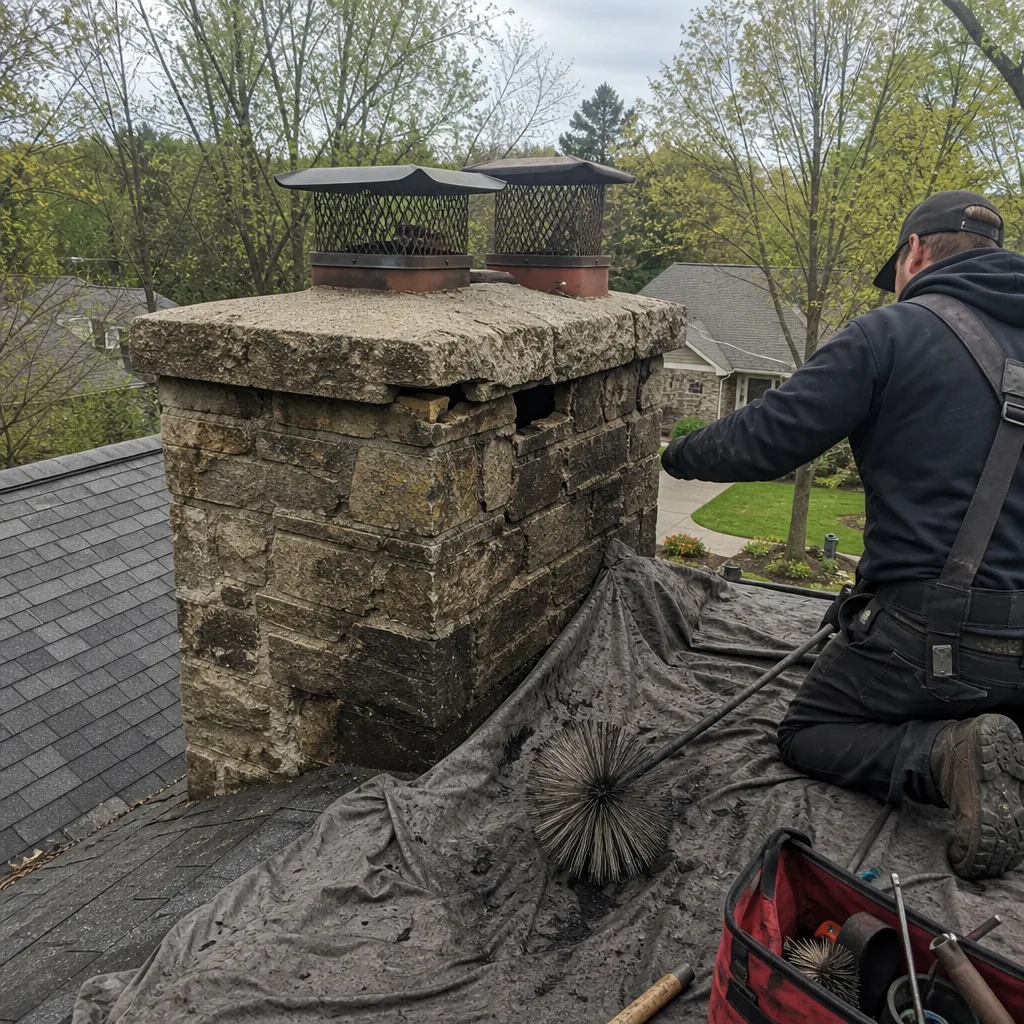 Before
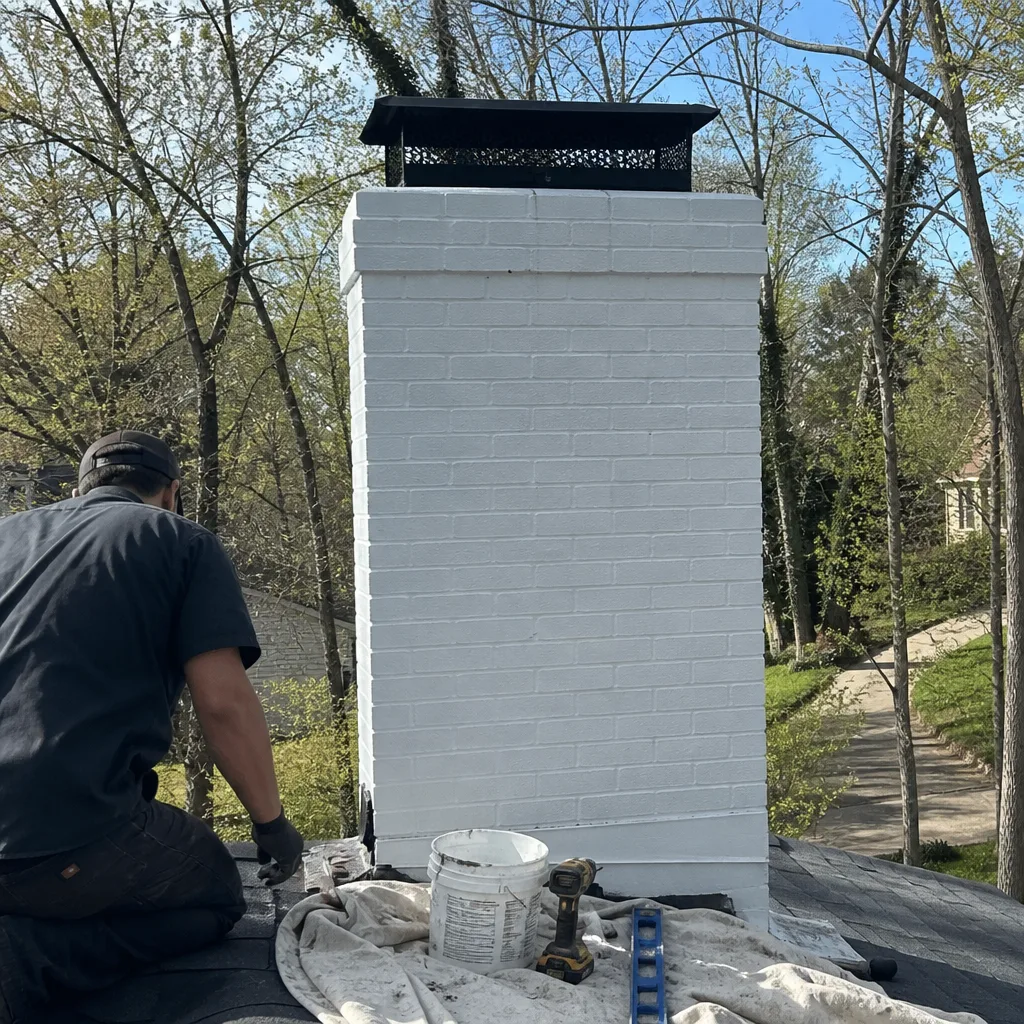 After
After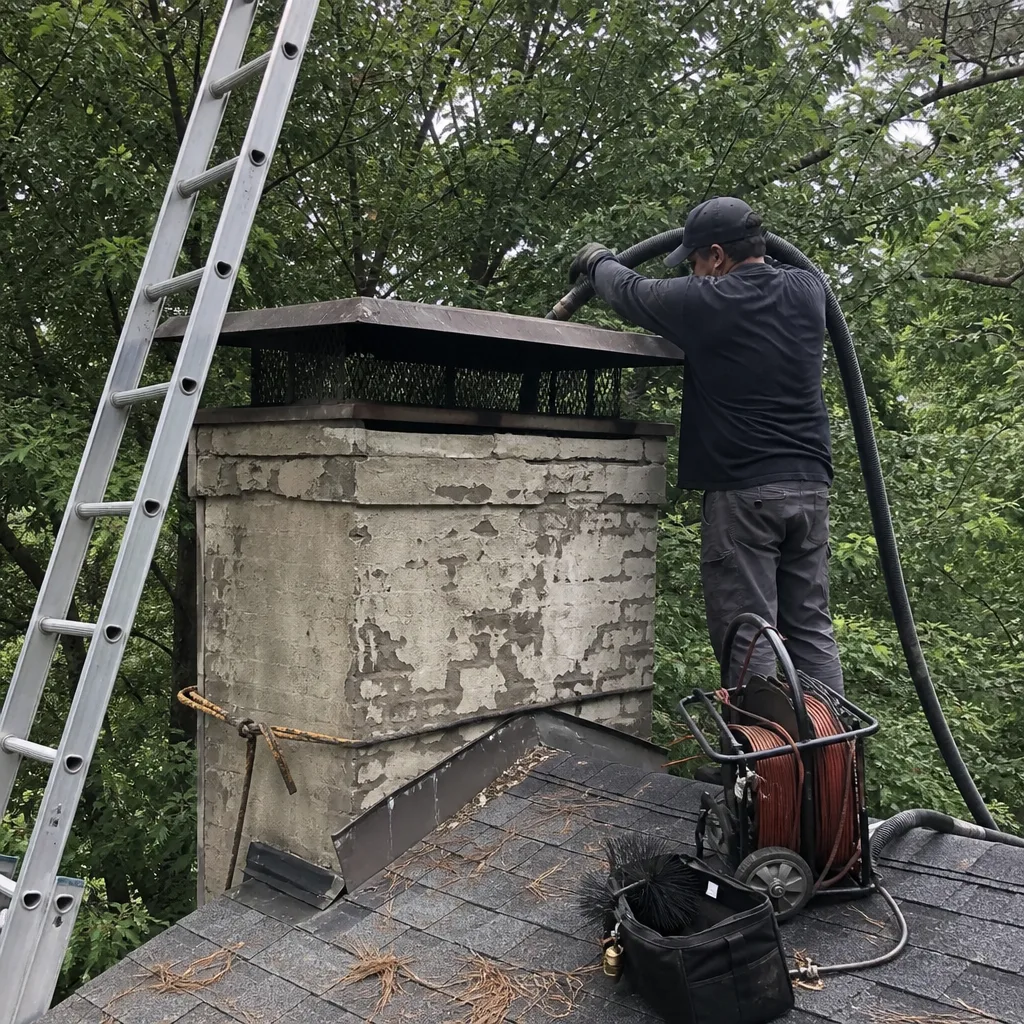 Before
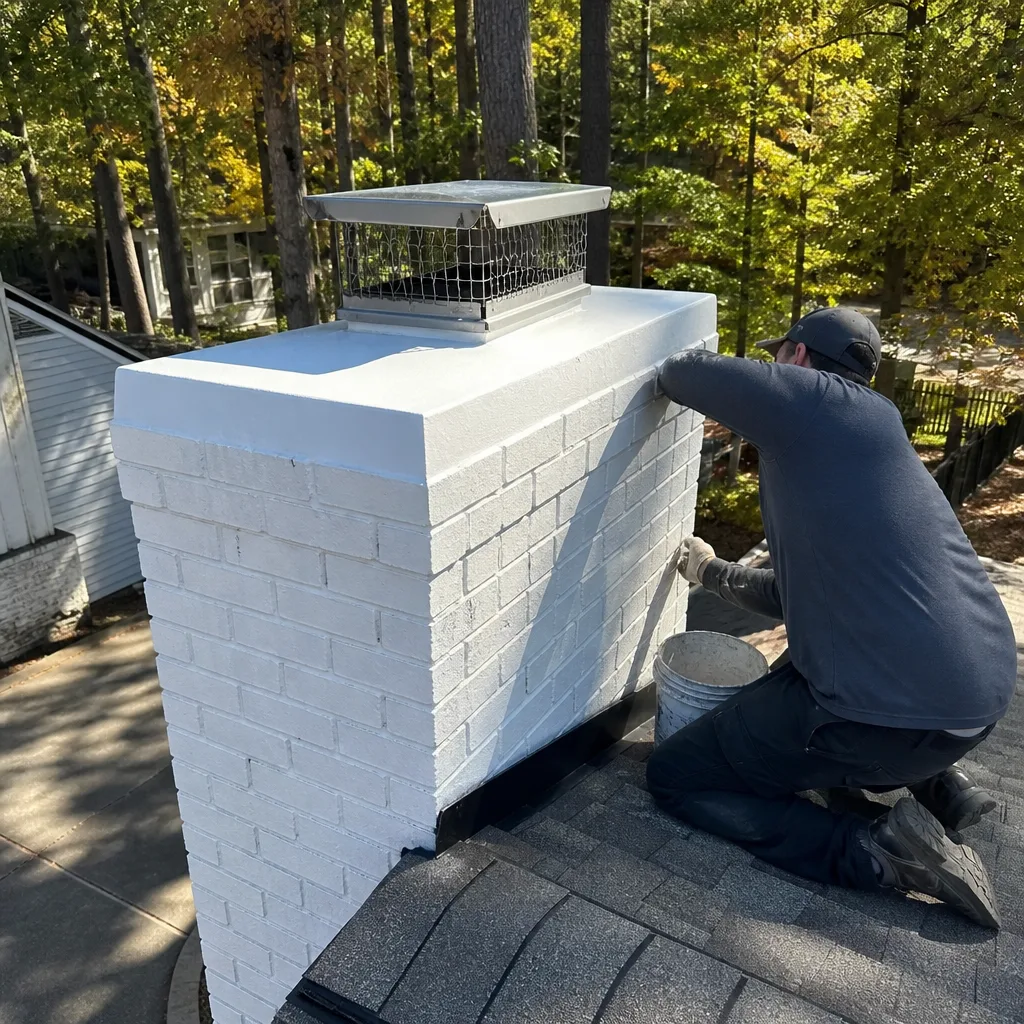 After
AfterLevel 1 Inspection in Sandy Springs, GA
A Level 1 chimney inspection in Sandy Springs covers every accessible area of your chimney system – the firebox, smoke chamber, damper, flue liner, and exterior crown – without specialized equipment like a camera or ladder access to the roof. It’s the right starting point for any chimney that’s been used regularly under the same conditions, with no new appliance changes or known damage. At Emberly Chimney Cleaners Sandy Springs, a Level 1 inspection includes a written price before anyone touches your chimney, a documented photo record when we’re done, and a plain-English report on what we found – not what we felt good about.
If you’d like to schedule one or just want to know what the inspection will cover before you commit, call us at (470) 480-0885. A live person picks up, every time, day or night. And if you want to understand how the inspection fits into a full season of chimney care, our Chimney Cleaning & Sweep in Sandy Springs page lays out the whole picture.
What a Level 1 Inspection Actually Covers
NFPA 211 – the National Fire Protection Association’s standard for chimneys, fireplaces, and venting systems – defines three inspection levels. Level 1 is the baseline: a visual examination of every part of the chimney you can see without moving furniture, cutting access panels, or sending a camera down the flue. That scope is specific and meaningful. Here’s what falls inside it:
- Firebox and smoke chamber. We check the refractory panels for cracks or spalling (that’s surface-layer flaking, which signals heat stress), inspect the damper plate and frame for corrosion or warping, and look at the smoke chamber walls for mortar deterioration or smoke staining that suggests incomplete combustion.
- Accessible flue liner sections. From the firebox opening, we assess the visible liner for cracks, joint separation, or creosote buildup. We classify creosote by stage – Stage 1 (light, powdery deposits), Stage 2 (harder, tar-like), or Stage 3 (glazed, dense) – because the classification directly determines the cleaning method and cost.
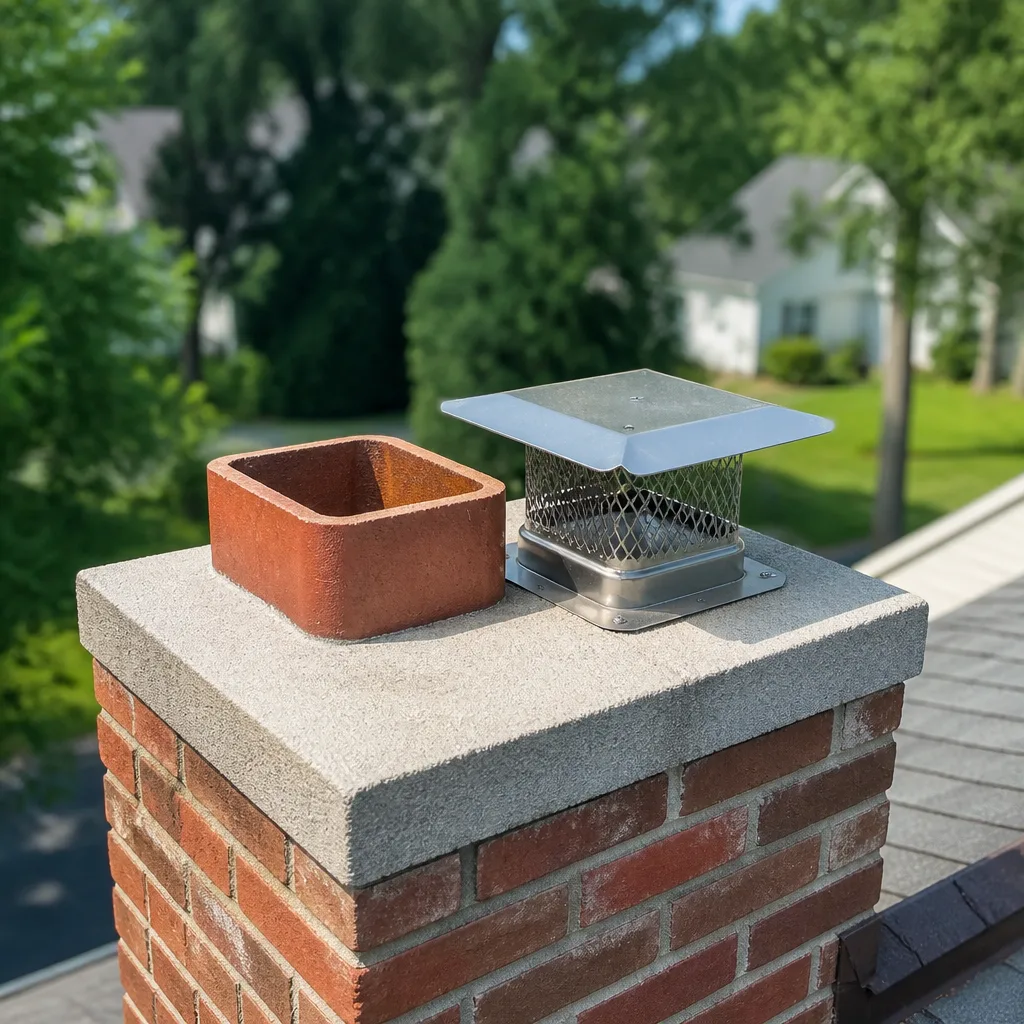
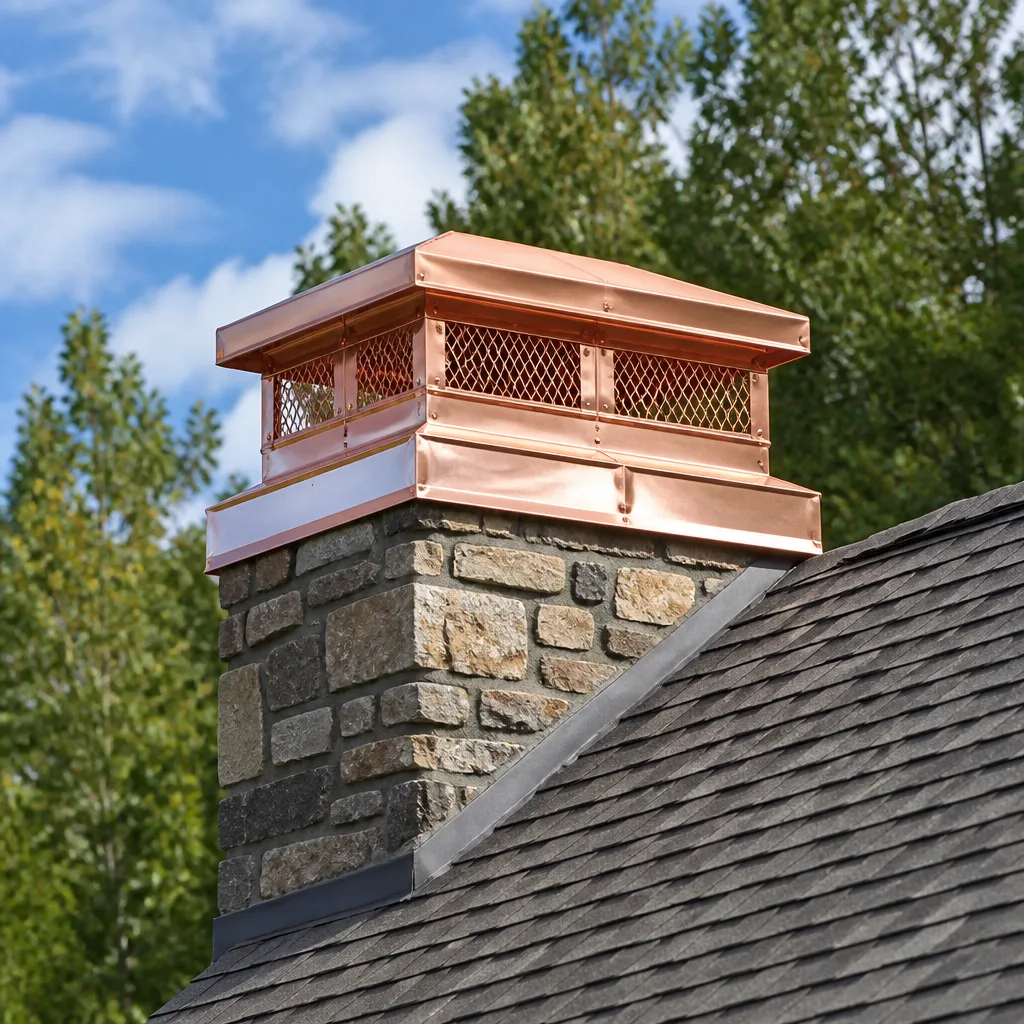
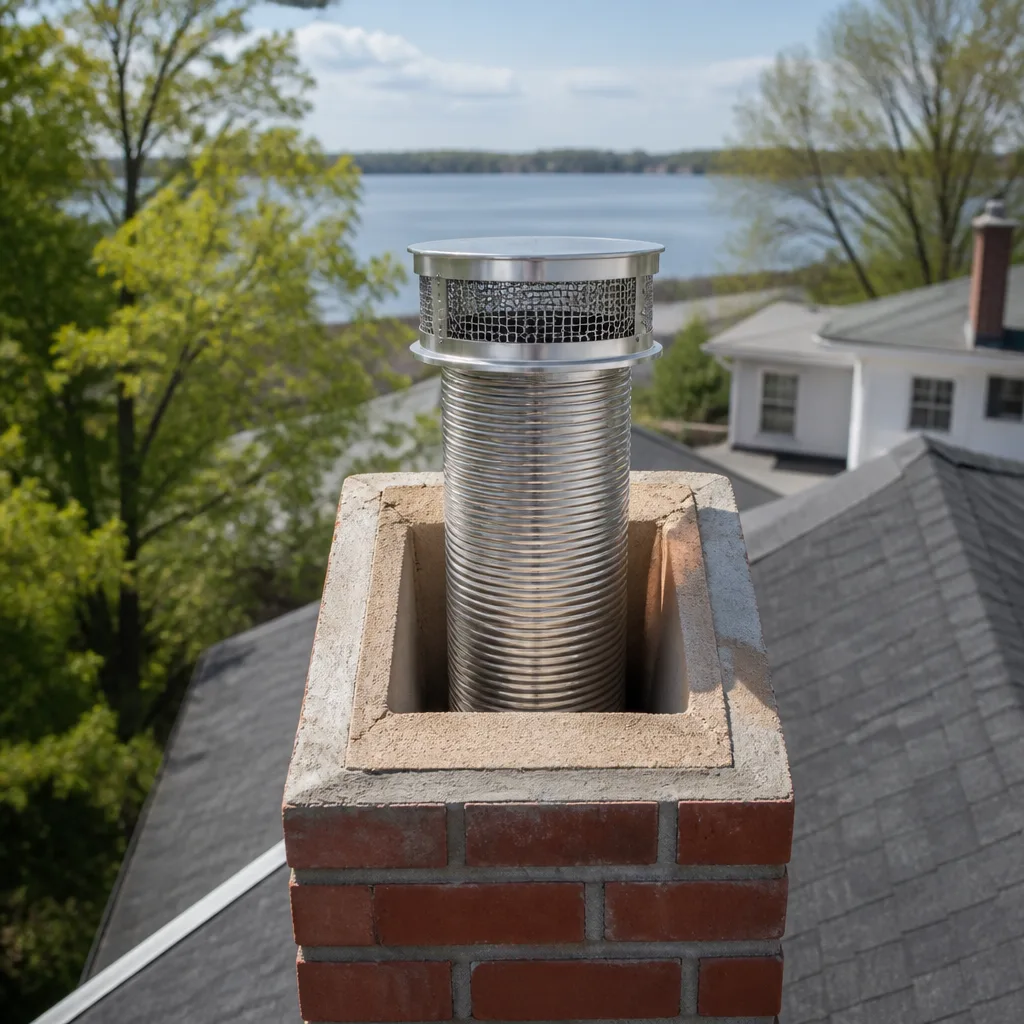
- Chimney crown and cap. The crown is the concrete or mortar cap that seals the top of the chimney stack. In Sandy Springs, where summers bring heavy rain and freeze-thaw cycles aren’t severe but do occur in January and February, crown cracking is one of the most common findings we document. A cracked crown lets water in; water in a masonry chimney accelerates every other form of deterioration.
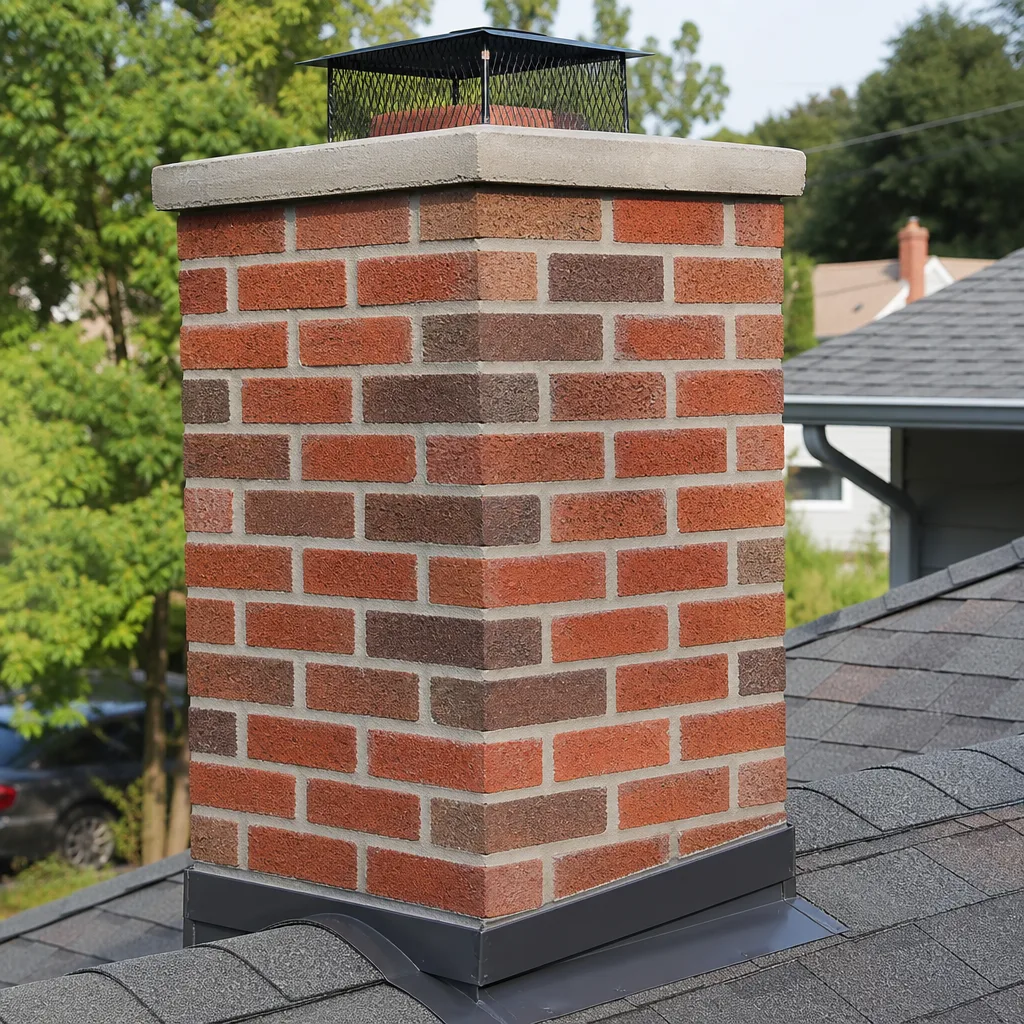
- Exterior masonry. We look at the visible brick and mortar joints for efflorescence (white mineral staining), spalling brick faces, and open mortar joints. Sandy Springs soil has enough clay content that foundations shift slightly over decades, and older chimneys in Dunwoody-adjacent neighborhoods sometimes show diagonal crack patterns at the corners as a result.
- Clearances and combustibles. We confirm that framing, insulation, and other combustibles maintain proper clearance from the flue – a check that matters most in older Sandy Springs homes where renovations may have added drywall or cabinetry closer to the firebox than current code allows.
What a Level 1 does not cover: a camera scan of the full flue length, roof access, or assessment of concealed areas. If we find something during a Level 1 that warrants a closer look – a liner crack we can see the edge of but not the extent of, or an exterior crack pattern that suggests structural movement – we’ll say so in writing and explain what a Level 2 Inspection would add. You decide. No pressure, no upsell theatre.
When You Need a Level 1 Inspection
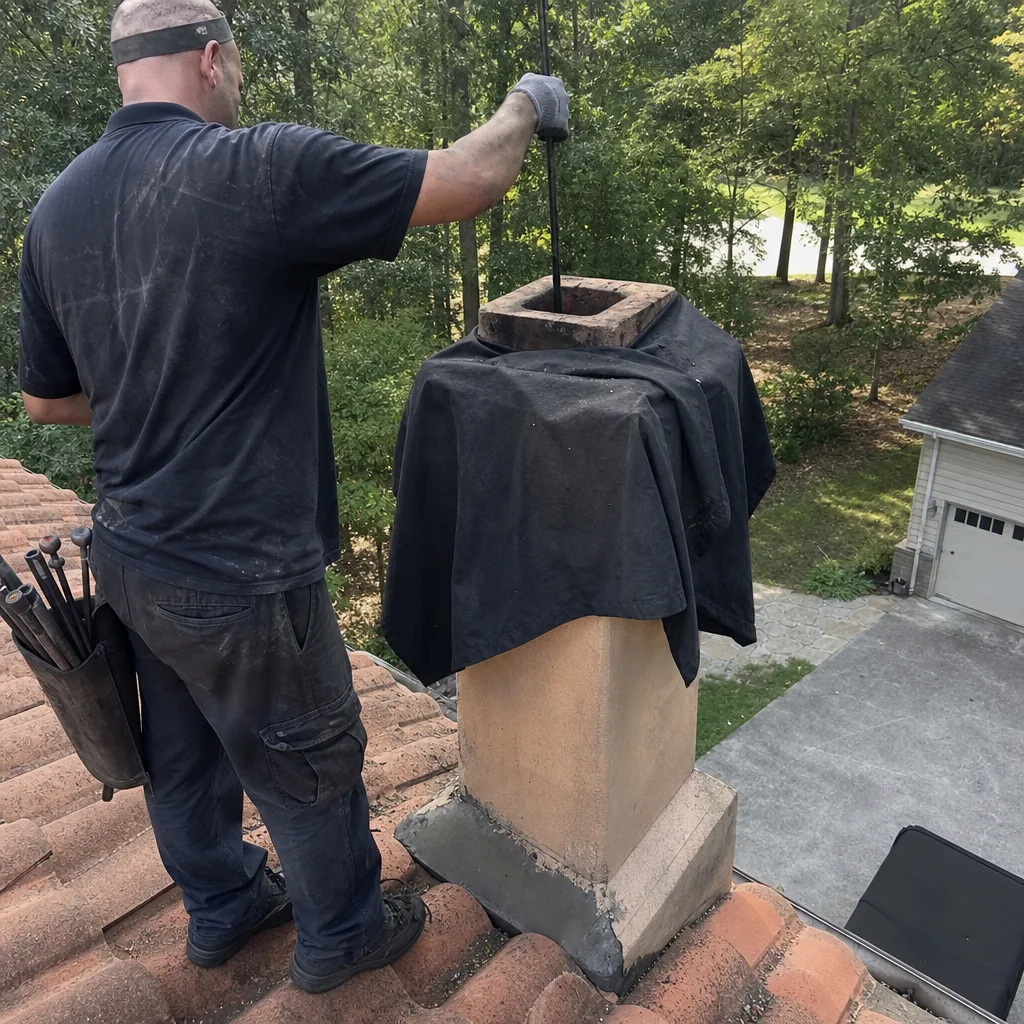
A Level 1 is the right call in straightforward, recurring situations. If any of the following applies to your Sandy Springs home, this is where to start:
- Annual maintenance before the burn season. Sandy Springs fireplace use picks up in November and runs through February. A Level 1 before the first fire of the season confirms the system is clear, the damper operates correctly, and there’s no blockage from a bird nest or debris that accumulated over the summer.
- After a season of regular use. If you burned wood four or five nights a week last winter, the flue has accumulated creosote. A Level 1 tells you which stage it’s reached and whether standard sweeping handles it or whether a rotary cleaning system is needed for Stage 2 buildup.
- When you move into an existing home and the chimney hasn’t changed appliances. A new homeowner in Sandy Springs who inherited a gas-log fireplace with the same insert that’s been in place for years is a good Level 1 candidate – assuming no new cracks, no chimney fire history, and no appliance conversion. (If any of those apply, NFPA 211 calls for a Level 2.)
- Before a real estate transaction closes. Buyers’ agents in Sandy Springs increasingly ask for a chimney inspection letter before closing. A Level 1 with a written report and photo record satisfies that request for a chimney in continuous service with no known changes.
- When the fireplace smells, smokes into the room, or drafts poorly. These symptoms often trace to a blockage, a failed damper seal, or Stage 2 creosote restricting the flue diameter. A Level 1 finds the most common causes. If it points to liner damage deeper in the flue, we tell you that clearly.
- After any chimney has sat unused for more than one full season. Idle chimneys in Sandy Springs develop wasp and mud-dauber nests in the cap area and occasionally host small animals in the flue. A Level 1 before the first fire after a long gap is a basic safety step.
BeforeAfterOur Level 1 Inspection Process
Every Level 1 we run in Sandy Springs follows the same sequence. The steps don’t change based on how long the job takes or what we find – the process is the same whether the result is “everything looks good” or “here’s a crack in the smoke chamber that needs attention.”
- Written price before we start. Before the technician opens a tool bag, you have a written quote with a flat or range price for the inspection and any cleaning you’ve requested. This is Haven Standard Clause 1 – price in writing, scope in writing, warranty in writing. There is no “we’ll tell you after we look.”
- Protection of your living space. The technician lays drop cloths in front of the firebox, seals the firebox opening before any brushing begins if cleaning is part of the visit, and uses a HEPA-filter vacuum to control ash and soot. Sandy Springs homes tend to have hardwood floors and light-colored rugs in the living areas – we treat them accordingly.
- Firebox and smoke chamber inspection. The technician works from inside the firebox, using a high-lumen inspection light to assess the refractory panels, throat damper, and smoke shelf. Findings are noted by location: left refractory panel, damper frame, smoke shelf center, and so on – not “some cracks noted.”
- Flue liner assessment from the firebox opening. From the firebox, we visually assess the accessible flue liner section – typically the lower 6 to 8 feet depending on the chimney height. Creosote staging, visible liner cracks, and any obstructions are noted. We use real vocabulary here: if it’s a Stage 2 tar-like deposit, we say Stage 2 tar-like deposit, not just “some buildup.”
- Exterior crown, cap, and masonry check. The technician inspects the exterior of the chimney from ground level, using binoculars or a pole camera for the crown and cap if they’re not visible from an adjacent window or roof access. Crown condition, mortar joint integrity, brick face condition, and flashing seal are all assessed.
- Written report and photo record delivered before the technician leaves. This is Haven Standard Clause 4. You get the photos taken during the inspection, a written summary of findings organized by area, and a written scope and price for any recommended follow-up work. The report goes to you digitally, on the spot – not “in a few days by email.”
Level 1 Inspection Pricing in Sandy Springs
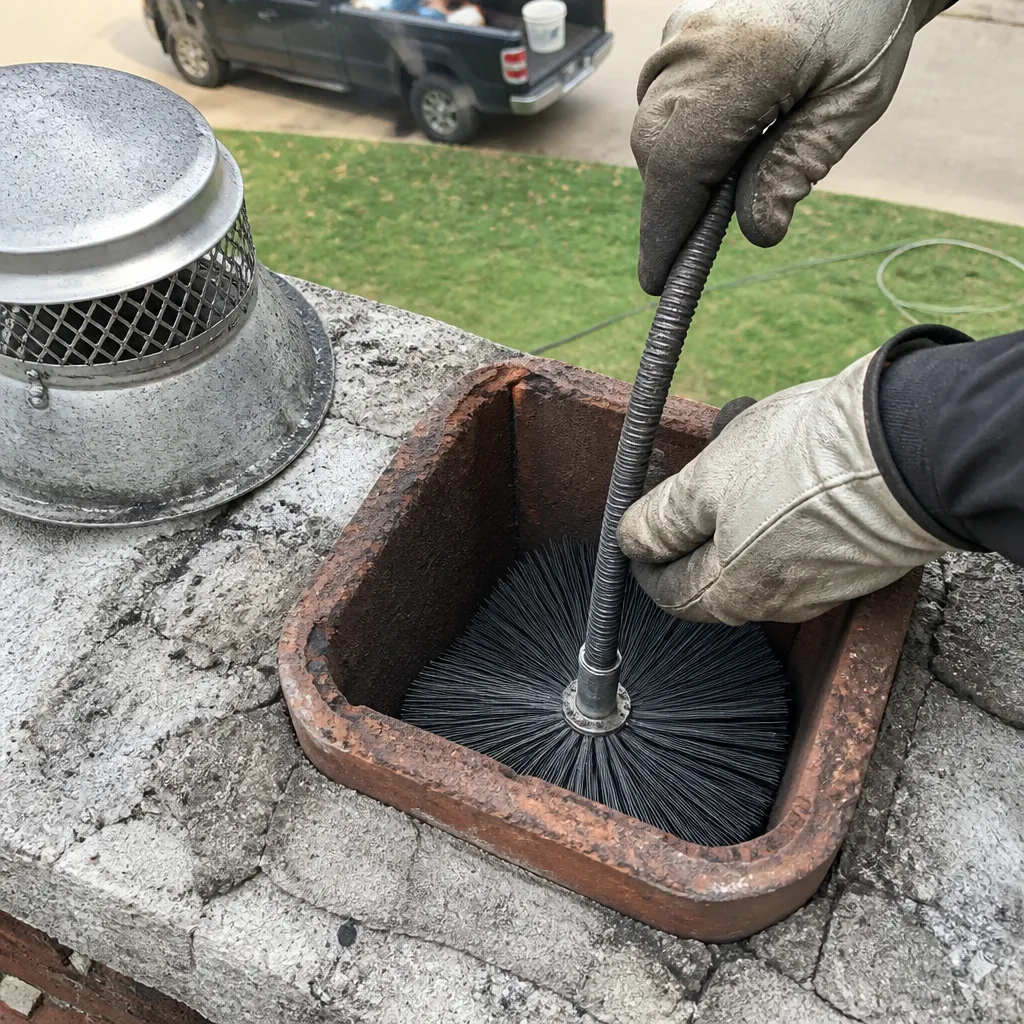
A Level 1 chimney inspection in Sandy Springs typically runs $99 to $199 when inspected as a standalone service. When combined with a Chimney Cleaning & Sweep during the same visit – which is the most common scenario – the inspection is often bundled into the total cleaning price, which generally falls between $179 and $349 for a standard wood-burning fireplace.
Several variables move the number within those ranges:
- Chimney height and accessibility. A two-story Sandy Springs home with a chimney that rises 25 feet above grade takes more time to assess than a single-story ranch. If roof access is needed for the crown assessment, that factors in.
- Creosote stage. A Level 1 that finds Stage 1 deposits supports a straightforward sweeping quote. Stage 2 findings shift the cleaning approach – rotary or chemical treatment – which affects the total.
- Number of flues. Some Sandy Springs homes, particularly the larger ones near the Chattahoochee River corridor or in the Riverside neighborhood, have two-flue chimneys serving separate fireplaces or a fireplace and a furnace. Each flue is quoted separately.
- Condition of the cap or crown. If the cap is missing or the crown shows active cracking visible from the ground, a more detailed assessment at roof level may be recommended before the written scope is finalized.
The written price you receive before work starts is the price. If we find something during the inspection that changes the scope – say, a blockage that requires additional labor – we stop, explain what we found, give you a revised written price, and wait for your go-ahead. We do not add charges after the work is done.
If you’ve received a written estimate from another company, bring it. We offer a free second opinion on any written estimate – no obligation, no fee.
Call (470) 480-0885 for an exact quote. Estimates are free, and you’ll have a written price before anything starts.
What the Documentation Looks Like
After 38,000+ chimney inspections and cleanings completed since 2009, we’ve found that the single most common complaint homeowners have about other chimney companies is that they received a verbal report – “looks good” or “you need some work” – and nothing in writing. That’s not an inspection. It’s a walkthrough.
Under Haven Standard Clause 4, every Level 1 inspection at Emberly Chimney Cleaners Sandy Springs produces a written record with the following components:
- Timestamped photos organized by area (firebox, smoke chamber, crown, exterior masonry)
- A written finding for each area inspected, using specific language – liner condition, creosote stage, crown crack location and approximate length, mortar joint status by chimney face
- A plain-English note on what each finding means and whether it requires action now, monitoring, or nothing
- A written scope and price for any recommended repairs or follow-up, delivered before the technician leaves your home
That record is yours to keep. It’s useful for insurance purposes, for disclosure in a home sale, and – frankly – for comparing against what the next company tells you.
Why Sandy Springs Homes Benefit from Annual Inspections
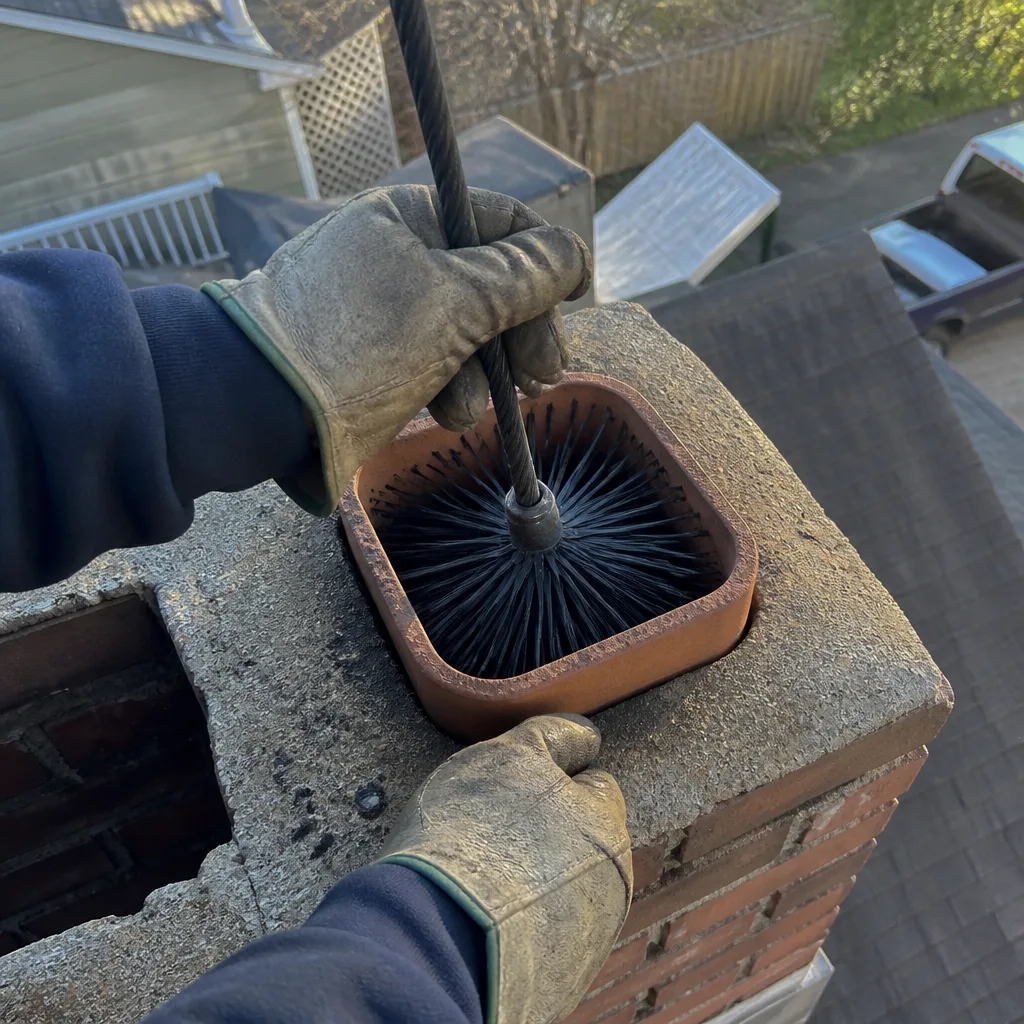
Sandy Springs sits in a climate zone that doesn’t get the hard freeze-thaw cycles of northern Georgia or the mountains, but it does get meaningful temperature swings in winter – cold enough in January and February to stress mortar joints and crown surfaces that already have minor cracking. Combined with the region’s rainfall pattern (Sandy Springs averages around 50 inches of precipitation per year), a chimney with a compromised crown or open mortar joints can absorb enough moisture in a single winter to accelerate spalling significantly.
We also see a specific pattern in the Sandy Springs neighborhoods nearest the river – Riverside, Hammond Park, and the stretch north toward Roswell Road. Homes in those areas were built largely in the 1970s and 1980s with prefabricated fireplace systems that are now at or past their expected service life. A Level 1 on one of those systems tells you quickly whether the insert is still performing within its rated clearances or whether it’s time for a fuller evaluation.
Gas log conversions are common throughout Sandy Springs, and they introduce a different set of inspection concerns: burner alignment, pilot assembly condition, and whether the existing flue liner and damper are appropriate for gas venting. A Level 1 covers the accessible components; if the conversion is recent or the history is unknown, a Level 2 with camera scan is the more complete answer.
Level 1 vs. Level 2: A Plain Comparison
The question we hear most often from Sandy Springs homeowners is whether they need a Level 1 or a Level 2. Here’s the practical difference:
- Level 1 covers accessible areas, no specialized equipment. Right for chimneys in continuous service with no change in fuel type, appliance, or known damage.
- Level 2 adds a camera scan of the full flue length and includes attic, crawlspace, and basement areas as needed. Required when an appliance changes, the home sells, or damage is known or suspected. It’s also what NFPA 211 calls for after any chimney fire.
If a Level 1 finds something that warrants a camera scan – a liner crack we can see the beginning of but not the full extent, for example – we say so in the written report and quote the Level 2 separately. You never end up mid-job without knowing what comes next or what it costs.
FAQs – Level 1 Inspection in Sandy Springs
How much does a Level 1 chimney inspection cost in Sandy Springs?
A standalone Level 1 chimney inspection in Sandy Springs runs $99 to $199. When bundled with a chimney sweep on the same visit, the combined service typically falls between $179 and $349, depending on chimney height, Soot Removal needs, and the number of flues. You’ll have a written price before work starts – that’s not a policy we make exceptions to. Call (470) 480-0885 for an exact figure; the estimate is free.
Is a Level 1 inspection enough before I use my fireplace this winter?
For most Sandy Springs homeowners with a fireplace that’s been in continuous use with no appliance changes or known damage, yes – a Level 1 is the appropriate Annual Sweep inspection. It covers every accessible area of the system and will identify the most common issues: creosote stage, damper condition, crown cracking, and exterior masonry deterioration. If the inspection turns up something that warrants a camera scan deeper in the flue, we’ll tell you in writing what we found and what a Level 2 would add.
How long does a Level 1 inspection take?
A Level 1 inspection by itself takes roughly 45 to 60 minutes in most Sandy Springs homes. When combined with a chimney sweep, plan for 90 minutes to two hours. The technician won’t rush the written report – that documentation step happens before they leave, not days later by email.
Do I need a Level 1 inspection if I only use my fireplace a few times a year?
Frequency of use doesn’t reduce the need for inspection as much as most people expect. Infrequent use means the chimney may sit idle for months at a stretch, which is when animal intrusion, wasp nests, and crown deterioration are most likely to go unnoticed. Even a fireplace used just four or five times per season should be inspected annually – particularly in Sandy Springs, where warm, humid summers give wildlife plenty of reason to explore an open flue. Call (470) 480-0885 to set one up before the season starts.
Schedule Your Level 1 Inspection in Sandy Springs
If you’re a Sandy Springs homeowner who wants a straight answer on the condition of your chimney – not a verbal “looks fine” – a Level 1 inspection from Emberly Chimney Cleaners Sandy Springs is the right starting point. You get a written price before we begin, a photo record and written report when we’re done, and a 365-Day Done Right Promise stamped on every job. We’ve completed more than 38,000 chimney inspections and cleanings since 2009, every one of them with a written price and a documented record.
Call (470) 480-0885 to schedule or to get a written estimate. A live person answers, any time of day. If you’d like to read more about what’s included in a full season of chimney maintenance, visit our home page for the complete picture of what we do and how we work.
Written by Corrine Halstead, Owner at Emberly Chimney Cleaners Sandy Springs, serving Sandy Springs.