
Level 1 sweep and inspection to the NFPA 211 annual standard - flue, crown, cap, and flashing checked and photographed
Chimney sweep logs do not sweep chimneys. They loosen some creosote - which then falls where a brush and vacuum still have to collect it.
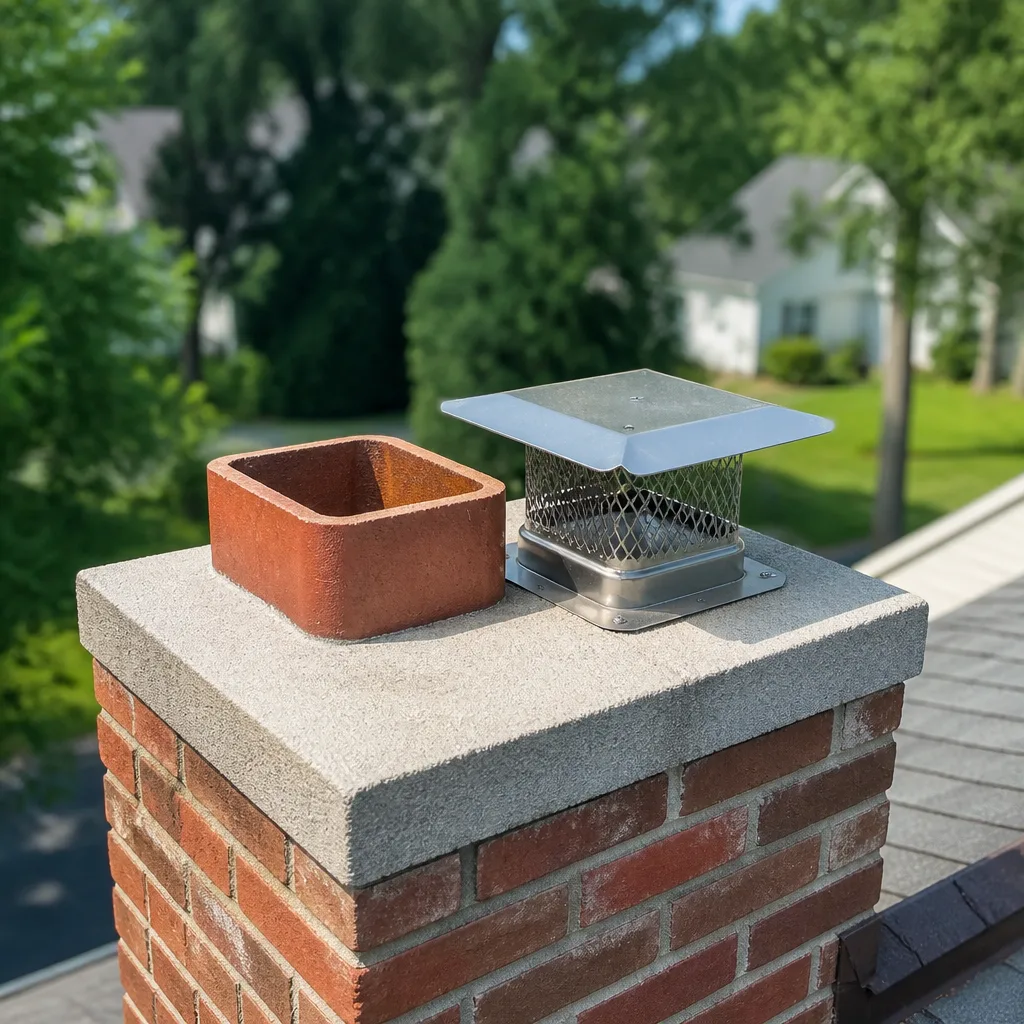
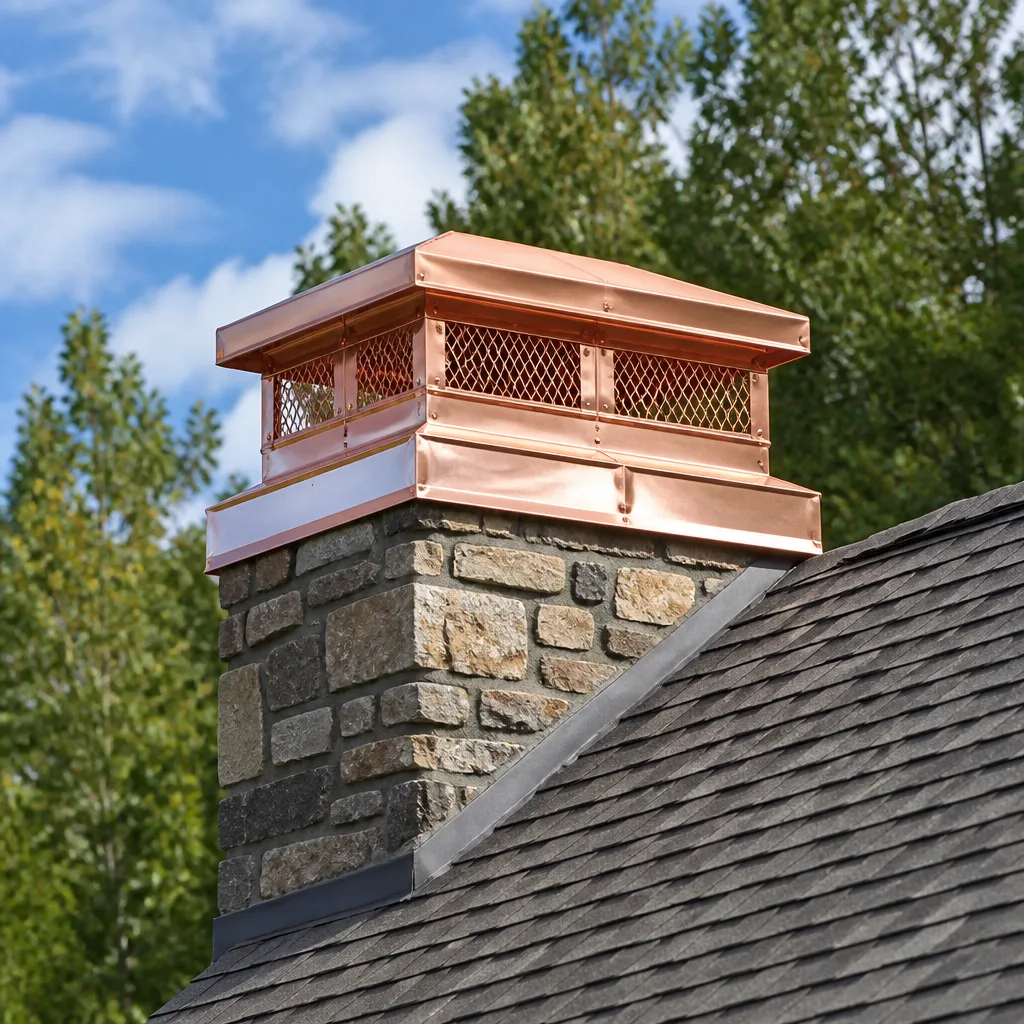
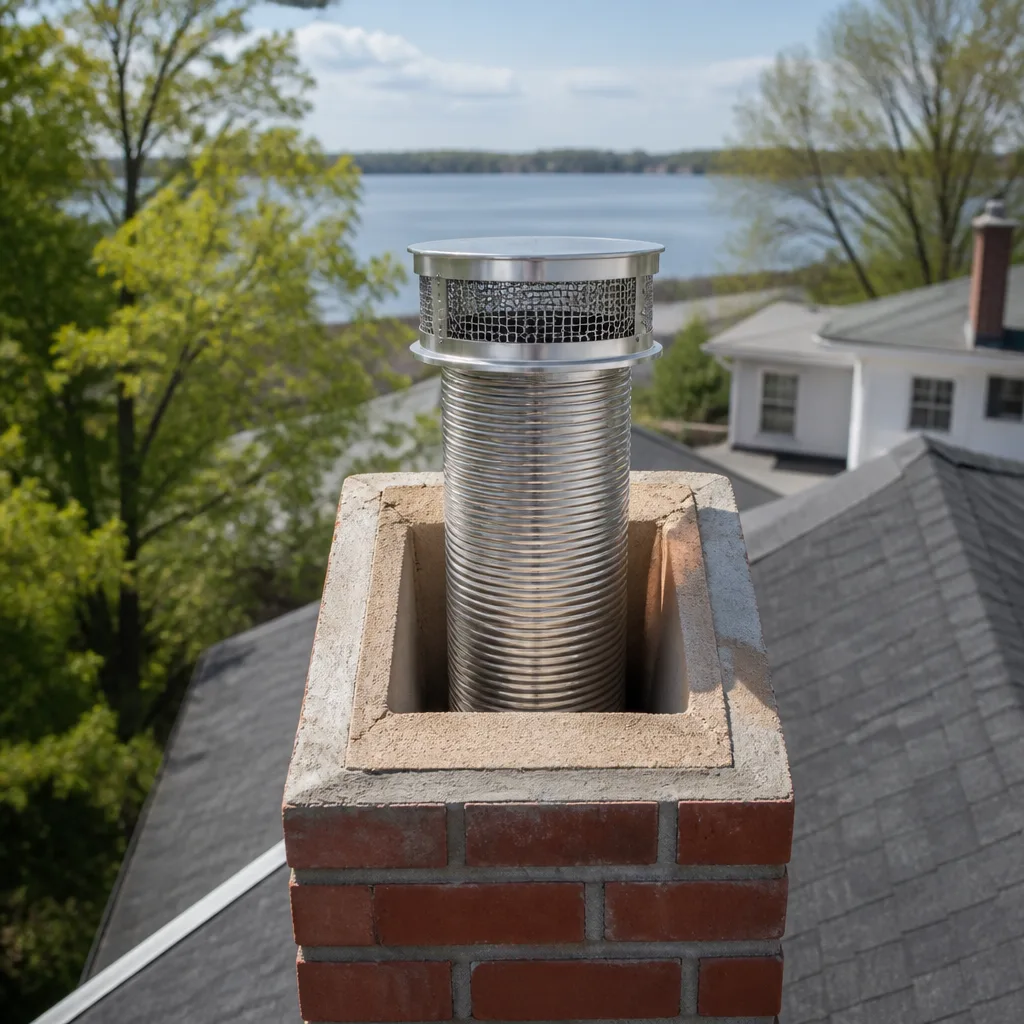
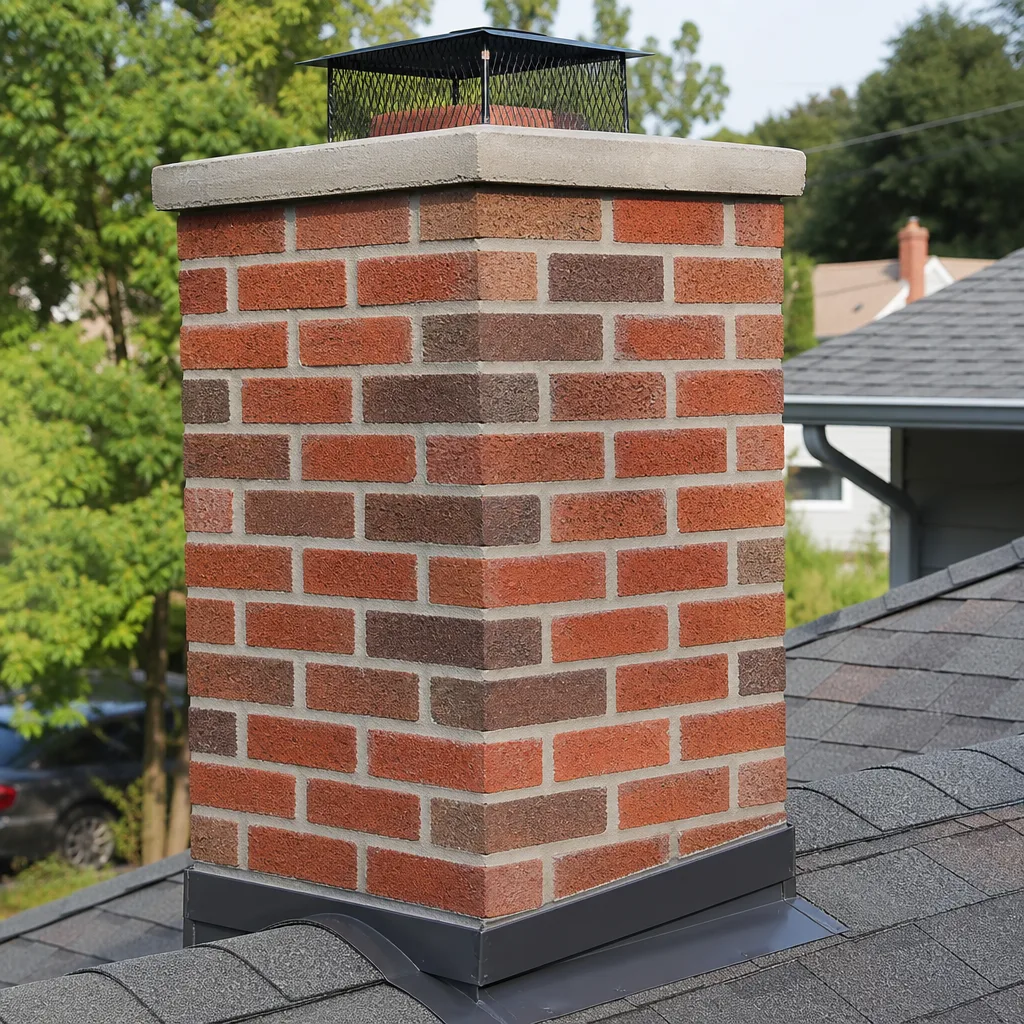
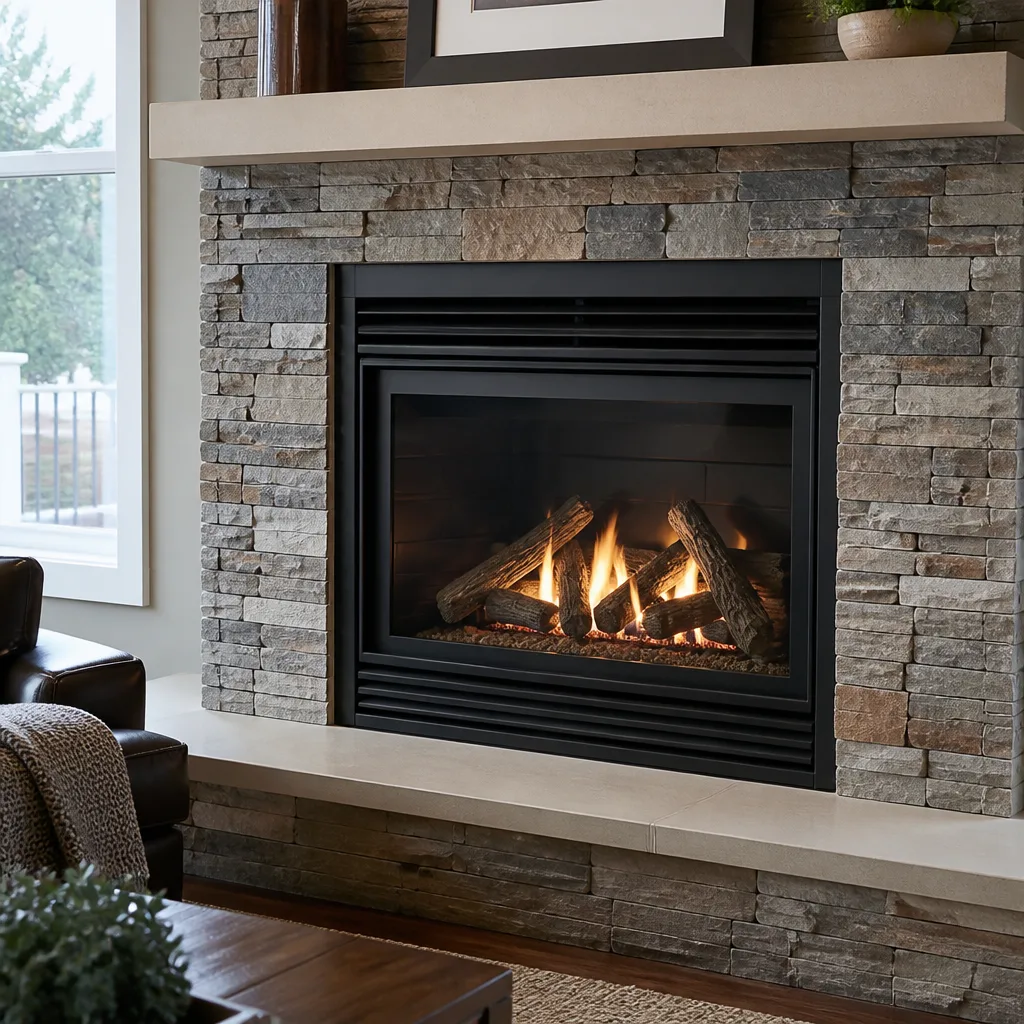
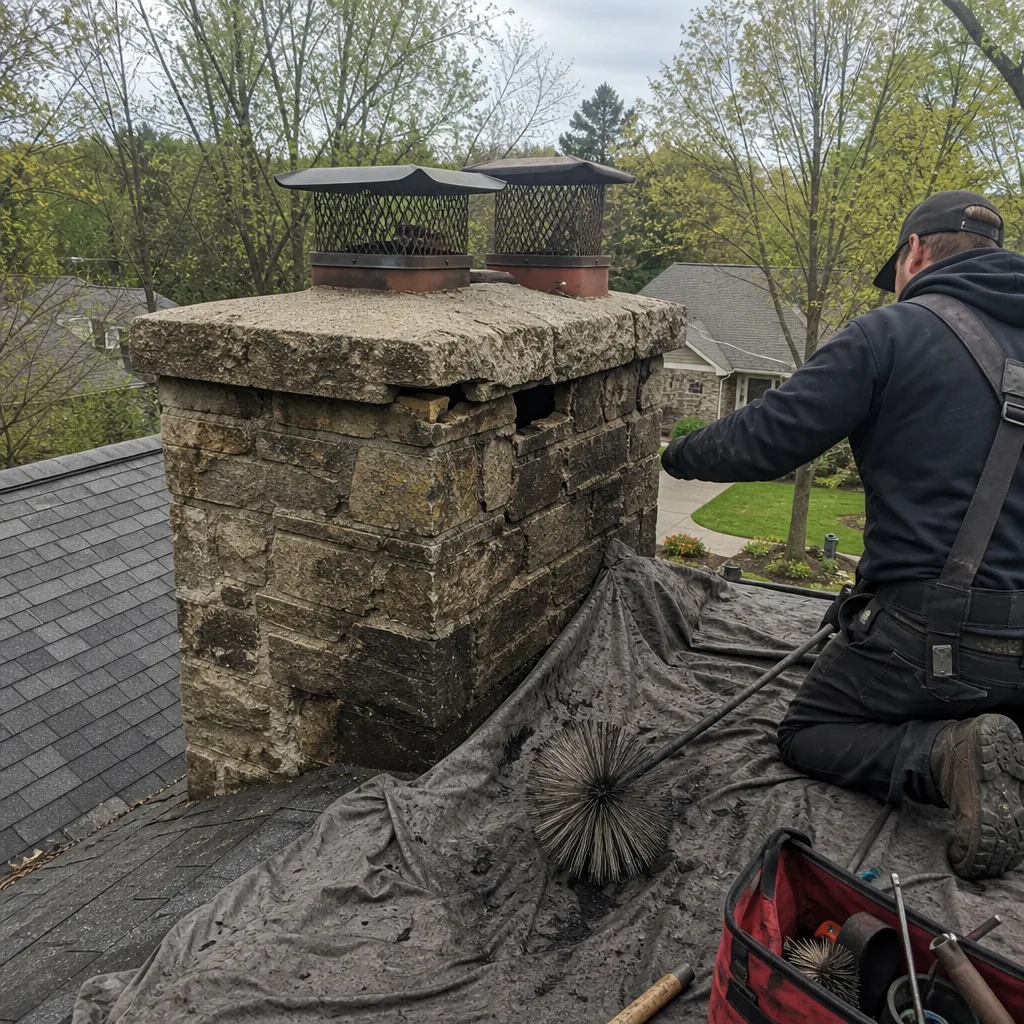 Before
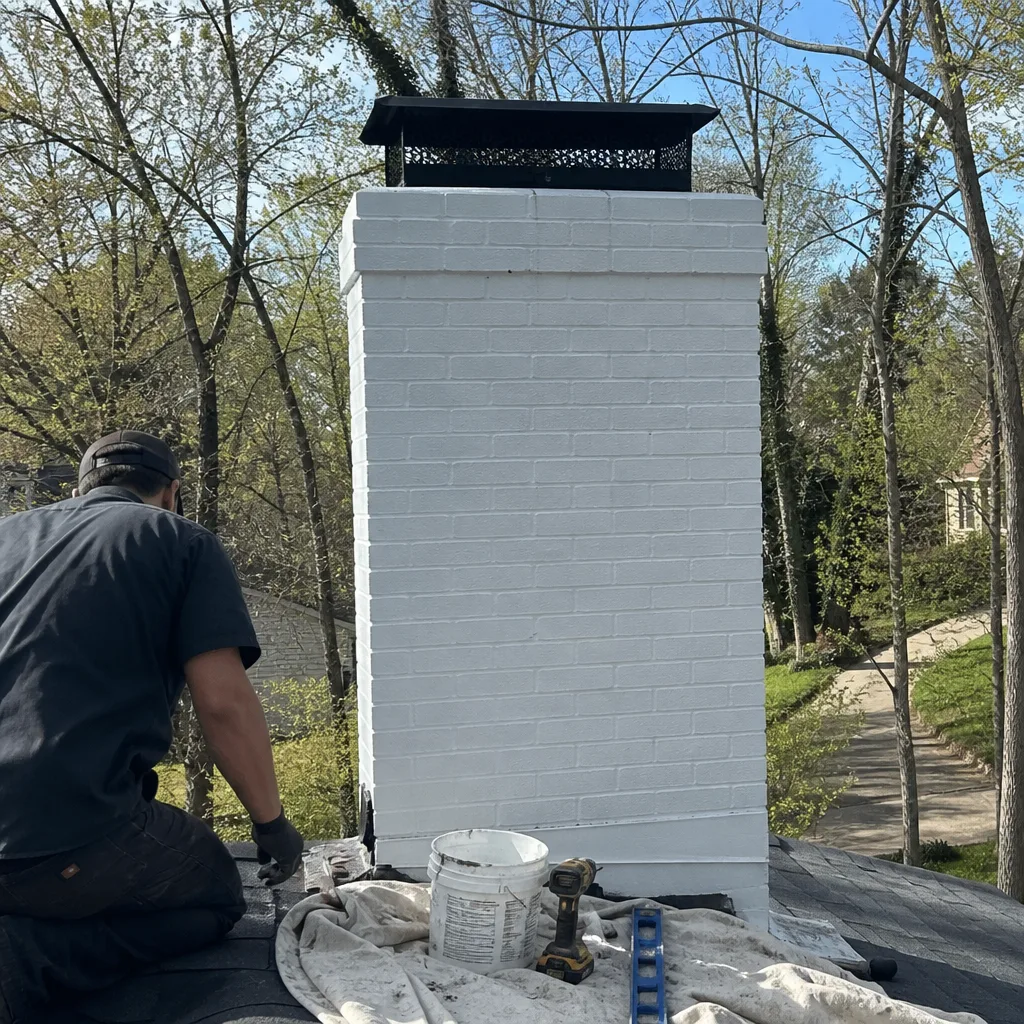 After
After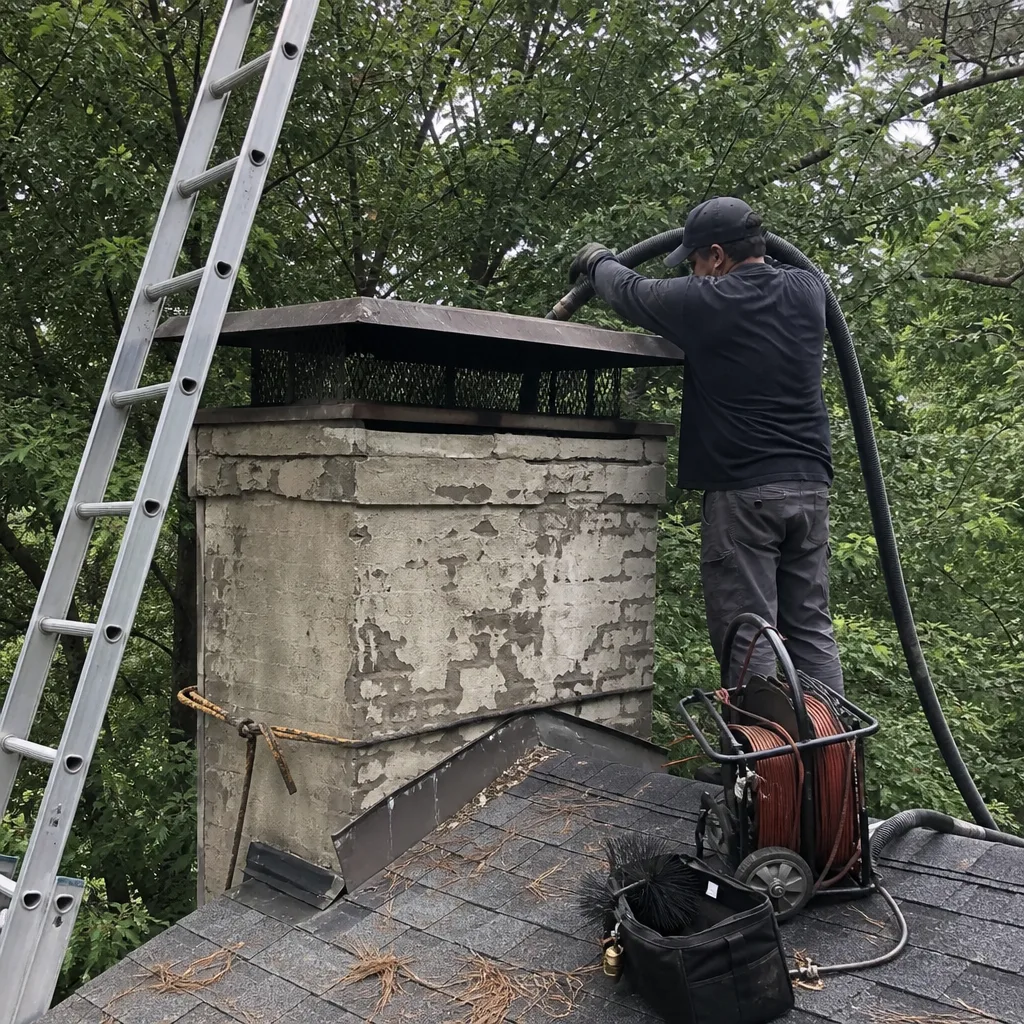 Before
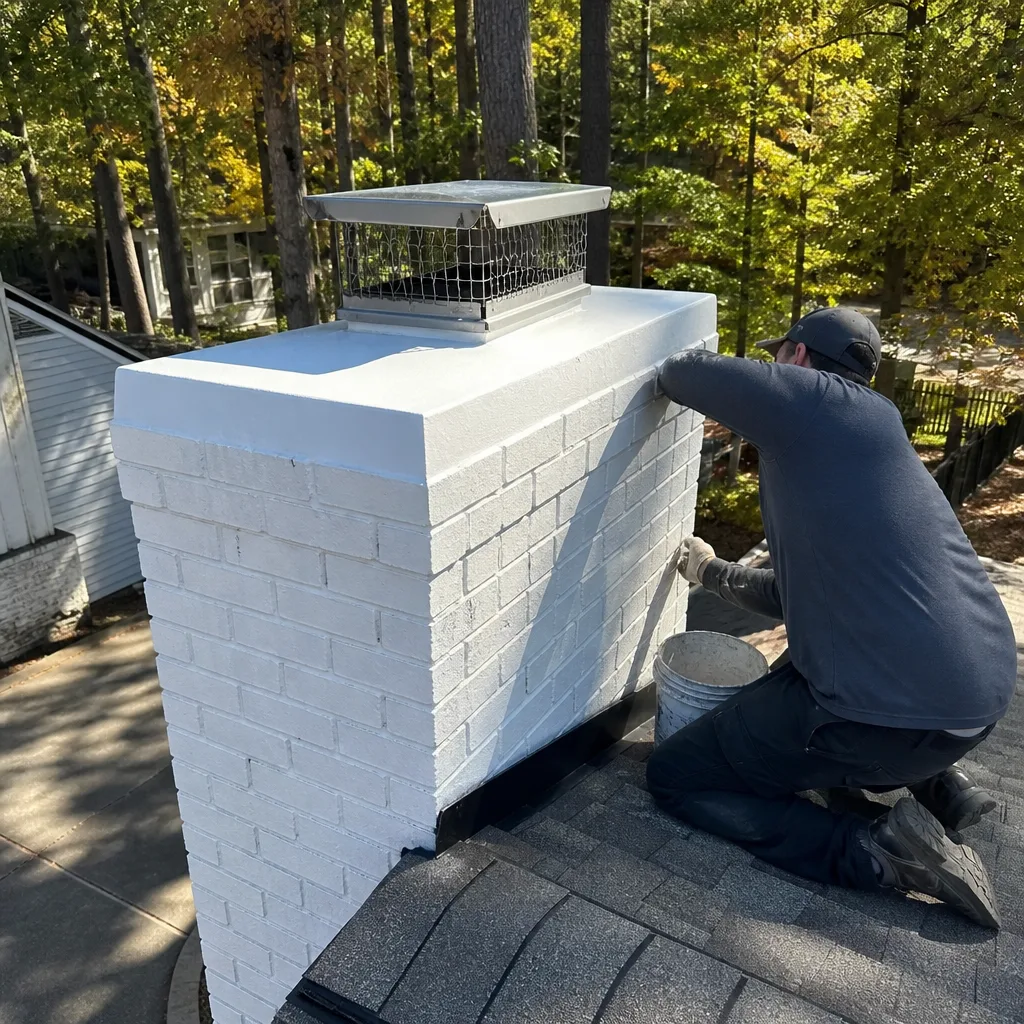 After
AfterCreosote Removal in Sandy Springs, GA
Creosote removal in Sandy Springs typically runs $149 to $499, depending on how much buildup is present and which removal method the deposit requires. Most chimneys we inspect in Sandy Springs are cleaned in a single visit, with a written price in hand before any work starts.
If your fireplace has a smoky odor in warm weather, a glassy residue coating the flue liner, or you haven’t had a professional Fireplace Cleaning in more than a year, there’s a real chance creosote has built up past the point where a standard brush can clear it. Creosote is the byproduct of incomplete combustion – wood smoke that cools inside the flue, condenses, and sticks. At Class I it looks like a light, flaky soot. At Class III it becomes a hard, glazed tar that can ignite at over 2,000°F. That distinction matters because each stage calls for a different removal method, different tools, and a different price.
We’re part of the Emberly Chimney Cleaners Sandy Springs operation, and we’ve run camera-scan inspections on every chimney we touch since 2009. Before a technician picks up a brush or applies a chemical treatment, you’ll have a written scope, a written price, and a written warranty – not a verbal estimate scribbled on a clipboard. That’s Haven Standard Clause 1, and it applies to every creosote job we do in Sandy Springs.
Questions before you book? Call (470) 480-0885 – a live person answers around the clock, every day of the year. No voicemail, no web form.
When You Need Creosote Removal
Most homeowners in Sandy Springs don’t know they have a creosote problem until they smell it or a sweep tells them. Here are the clearest indicators that removal – not just a routine cleaning – is warranted:
- A campfire or acrid smell inside the house, especially in summer. Sandy Springs summers are humid, and moisture activates creosote odors. If your closed damper still lets a strong smoke smell into the living room from May through September, Class II or III buildup is a likely cause.
- Visible dark, shiny deposits when you look up the flue. A quick flashlight look at the smoke chamber or lower flue tiles that reveals a glossy, tar-like coating is a sign that deposits have moved past the flaky Class I stage.
- Reduced draw or smoke backing into the room during fires. Heavy creosote buildup restricts the usable diameter of the flue, which disrupts airflow and can push smoke back into the firebox.
- You burn green or unseasoned wood, or use a wood stove insert with long, slow burns. Both practices are common in Sandy Springs neighborhoods with older wood-burning setups, and both produce significantly more creosote per cord than properly seasoned hardwood burned hot.
- It’s been more than 12 months since your last professional sweep. NFPA 211 recommends annual inspection and cleaning for any chimney in active use. Sandy Springs homes with mature tree canopies – common in Chastain Park adjacent neighborhoods and along the Roswell Road corridor – also tend to burn more wood per season, which means faster buildup.
- A prior inspector noted creosote presence on a written report. If a home inspection flagged it during purchase – common in Sandy Springs resales from the 2015-2025 period – it needs to be addressed before the fireplace is used.
Our Creosote Removal Process
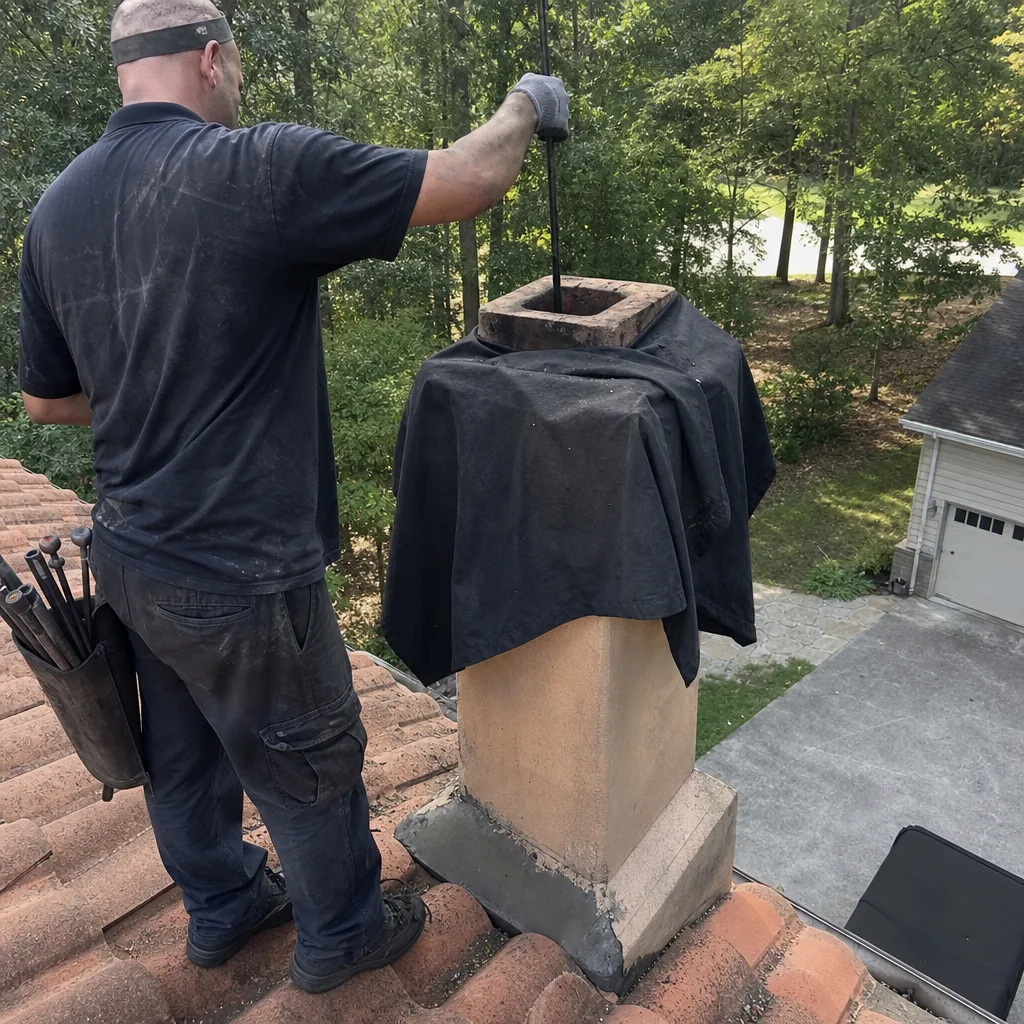
The steps below reflect how we handle every creosote job in Sandy Springs. Nothing gets skipped to save time, and no price is finalized until the camera footage gives us a clear picture of what we’re actually dealing with.
- Camera-scan inspection before any brushes come out. We run an NFPA 211 Level 2 inspection – camera down the flue, documented footage, written findings. This is how we determine the creosote class, spot cracks in the flue liner, and confirm the smoke chamber condition before quoting the job. You’ll see what we see. This has been the default practice at Emberly since 2009, and it’s codified as Clause 4 of the Haven Standard.
- Written price, scope, and warranty before work starts. Based on what the camera shows, we give you a flat written price. Class I removal costs less than Class III removal. The quote reflects what’s actually in the flue – not an average, not a guess. Haven Standard Clause 1: have it in writing.
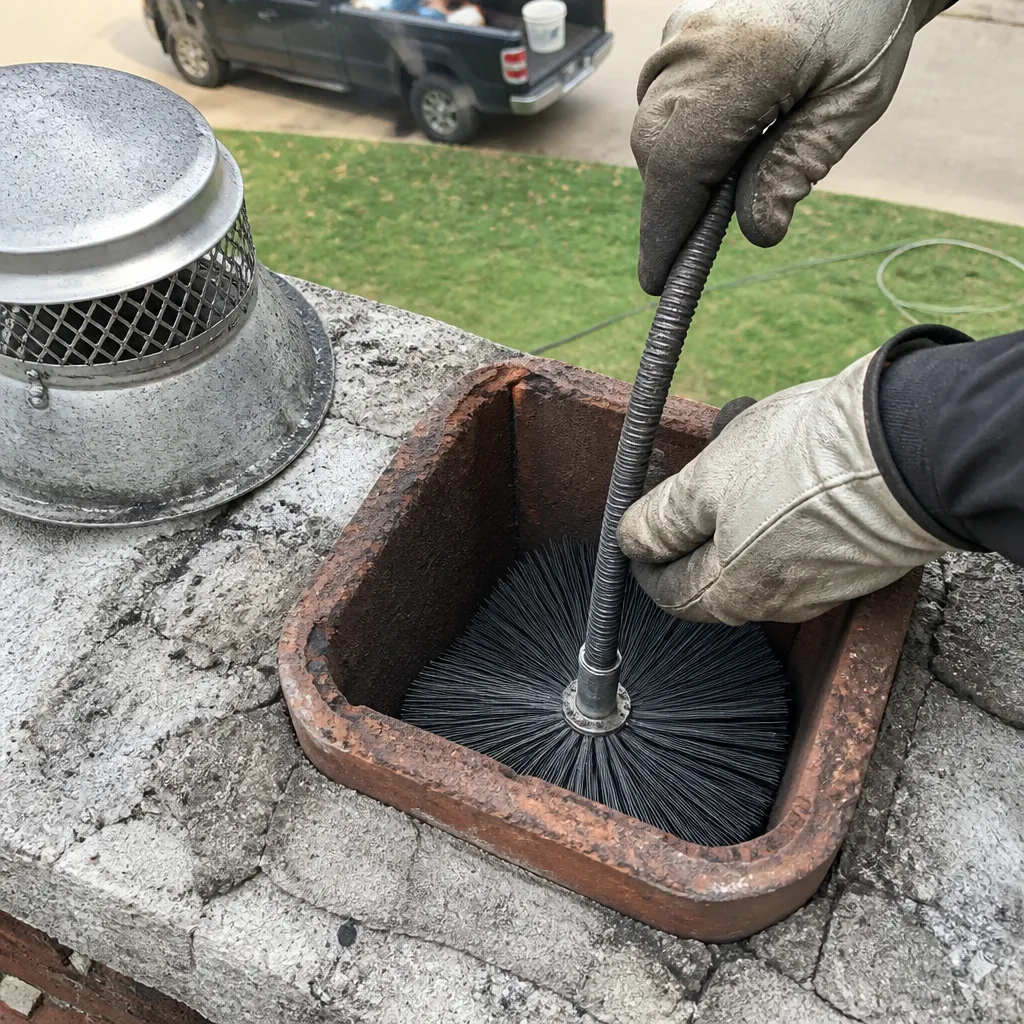
- Class-appropriate removal method. Class I and most Class II deposits are removed with commercial-grade rotary brush equipment. Heavy Class II and Class III glazed deposits require a chemical creosote modifier – applied to convert the hard glaze into a removable, porous material – followed by mechanical cleaning once the treatment has done its work. We source conditioning products through the Haven supply network, which means the same professional-grade materials used across the network without the retail markup.
- Full vacuuming and containment. Creosote dust and debris come down during mechanical cleaning. We set drop cloths, use industrial HEPA vacuums, and leave the firebox and hearth the way we found them. Sandy Springs homes with open floor plans and lighter interior finishes make contamination control non-negotiable.
- Post-removal camera verification. Once cleaning is done, the camera goes back in. We compare before and after footage, confirm the flue liner is clear and undamaged, and document the result. You get a photo record of both passes – before and after – as part of the job file.
- Written completion report and warranty. The job isn’t closed until you have documentation: what we found, what we did, the condition of the liner, and the scope of the 365-Day Done Right Promise. If anything tied to our work isn’t right within a year, we make it right. That’s not a slogan – it’s written on the job record.
BeforeAfterCreosote Removal Pricing in Sandy Springs
Creosote removal in Sandy Springs costs $149 to $499 for most residential chimneys, with the range driven almost entirely by the class of buildup and the flue length. Here’s how that breaks down:
- Class I removal (light, flaky soot): $149-$229. Standard rotary brushing, included as part of a routine sweep appointment. Most chimneys cleaned annually fall into this range.
- Class II removal (tar-like, moderate buildup): $229-$349. Heavier mechanical cleaning, sometimes requires a second brush pass. Common in Sandy Springs homes where the fireplace has been used seasonally but not swept consistently.
- Class III removal (glazed, hardened tar): $349-$499 per treatment, often requires 2 visits. Chemical creosote modifier is applied first; we return after the treatment period to complete mechanical removal. Class III is not a one-appointment fix, and any company telling you otherwise is cutting a corner. We’ve seen Class III deposits in Sandy Springs chimneys that hadn’t been swept in 4-6 years, and the liner condition underneath is always the next question.
Factors that can move your price within those ranges: total flue height (taller chimneys, more time), the presence of a fireplace insert that requires partial disassembly for access, or a liner that needs documentation for insurance or a real estate transaction. If you’re comparing our written quote to another company’s written estimate, we’ll review theirs free of charge. Bring it. We’ll tell you exactly what they quoted and what they may have left out.
Every price we give is written before work starts – a flat number with a written scope and written warranty attached. Call (470) 480-0885 to set up a free on-site estimate, or to ask a question before you book.
Why the Camera Scan Changes Everything
Most chimney companies in the Atlanta metro area – Sandy Springs included – do a visual sweep inspection: a flashlight at the firebox opening and a look at the top of the flue from the roof. That’s legally a sweep. It’s not a Level 2 inspection.
When we run a camera down the flue, we can see things a flashlight can’t reach: spalling on the interior tiles mid-flue, a crack at the smoke chamber transition, or a section of liner where Class III deposits have been sitting long enough to begin compromising the tile beneath. In Sandy Springs specifically, we see two patterns more than others. Homes built in the 1980s along the Hammond Drive area often have older terra cotta liners that have developed hairline cracks under years of thermal cycling. And homes in the Pill Hill and Powers Ferry areas with gas log conversions frequently have creosote remnants from the original wood-burning era that no one cleaned before the conversion.
Neither problem shows up on a flashlight sweep. Both show up on camera. The documentation we hand you afterward – footage, photos, written findings – becomes a record you can share with your insurer, a home buyer, or a future contractor. That archive practice has been the Level 2 Inspection standard since 2009.
Our full Chimney Cleaning & Sweep in Sandy Springs service page covers what’s included in a standard sweep appointment and how it differs from a creosote removal visit.
What Creosote Does to a Flue Liner
The liner is the most important component in the system – it contains the combustion gases, keeps heat away from the framing, and directs smoke out of the house. Most Sandy Springs homes built after 1985 have terra cotta tile liners, though we also see stainless steel flex liners in homes with gas inserts or older wood stove installations.
Class III creosote doesn’t just create a fire risk. The acids in hardened creosote deposits actively attack the mortar joints between terra cotta tiles. Over time – and we’re talking 3 to 7 years of consistent buildup – those joints erode, tiles shift, and combustion gases can migrate into the chase or the wall cavity. That’s when a creosote removal job turns into a liner repair or full liner replacement conversation. We’d rather catch it at the $350 cleaning than at the $2,800 reline.
A note on Class III removal safety: glazed creosote removal involves chemical treatments that produce fumes, and the mechanical removal that follows throws debris at high velocity inside a confined flue. This is not a DIY project. The products are not sold at hardware stores for good reason, and the liability of a chimney fire that starts during an improper DIY removal attempt is significant. What we can tell you is what to look for (the glassy sheen, the restricted draw, the odor) so you know when to call.
FAQs – Creosote Removal
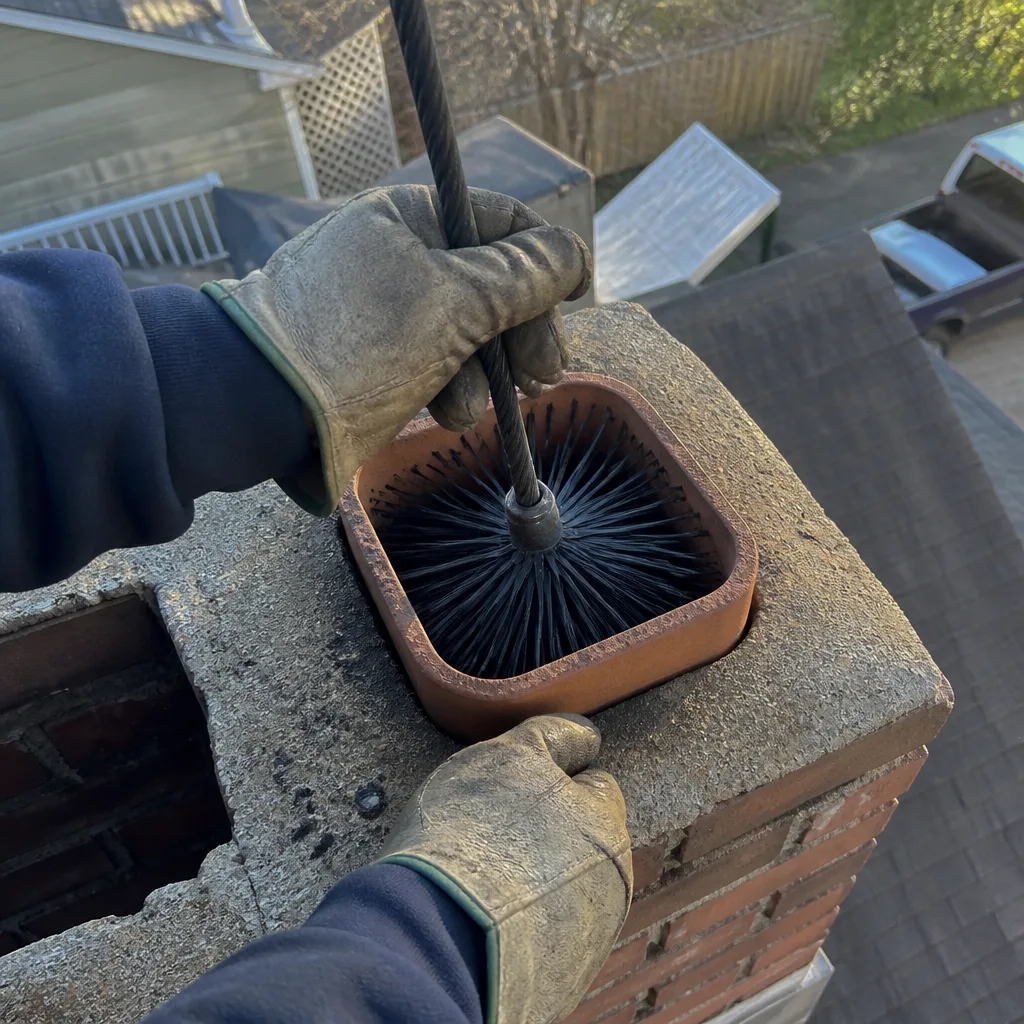
How much does creosote removal cost in Sandy Springs?
Creosote removal in Sandy Springs costs $149 to $499 for most homes, depending on the class of buildup. Class I (light, flaky soot) falls at the low end of that range; Class III (glazed, hardened tar) sits at the top and typically requires two visits because a chemical modifier has to be applied before mechanical cleaning can finish the job. We give you a written price after the camera inspection – before any work starts. Call (470) 480-0885 for a free on-site estimate.
What is the difference between Class I, Class II, and Class III creosote?
Class I creosote is light, dry, and flaky – the kind that comes off with a standard rotary brush and is removed during a routine sweep. Class II is a thicker, tar-like coating that requires more aggressive mechanical cleaning and sometimes a return visit. Class III is glazed, hard, and dense – it has been heated repeatedly to the point where it has essentially fused to the flue liner surface. Class III won’t respond to brushing alone; it requires a chemical creosote modifier to convert the glaze into a removable material before the mechanical pass. The camera inspection we run at the start of every visit is the only reliable way to classify what’s in the flue.
How often should creosote be removed from a chimney?
A chimney in regular use should be inspected and cleaned at least once a year – that’s the NFPA 211 standard and the threshold we recommend for Sandy Springs homeowners who schedule annual Chimney Cleaning & Sweep services through the fall and winter months. If you’re burning more than two cords of wood per season, running a wood stove insert, or using unseasoned wood, you may need a mid-season cleaning as well. Annual sweeping catches buildup at Class I, which is the least expensive and fastest stage to remove. Letting it accumulate to Class III doesn’t save money – it multiplies it.
Can you remove creosote in one visit?
Class I and Class II creosote are almost always cleared in a single visit. Class III glazed deposits are not – a chemical modifier needs to be applied, left to work, and then followed by a mechanical cleaning pass, which means at minimum two appointments. We’ll tell you which class you’re dealing with after the camera inspection, and the written quote will reflect the actual scope, including whether a return visit is required. There are no surprises on the invoice because the price is written before the work starts.
Key Takeaways
- Creosote removal in Sandy Springs runs $149-$499 depending on deposit class – written price before any work starts, always.
- Class III glazed creosote requires a chemical treatment followed by mechanical cleaning – that’s a minimum two-visit process.
- Every job starts with a camera-scan inspection (NFPA 211 Level 2) and closes with a documented photo record – Haven Standard Clause 4.
- Sandy Springs-specific patterns: 1980s-era terra cotta liners on Hammond Drive and Pill Hill, and unconverted creosote in gas-log-converted chimneys near Powers Ferry, are among the most common findings we document.
- The 365-Day Done Right Promise is written on every job record – if it’s not right, we make it right.
- Live phone support at (470) 480-0885 answers 24 hours a day, 7 days a week – no voicemail.
Schedule Creosote Removal in Sandy Springs
If your chimney is showing signs of creosote buildup – or if it’s simply been more than a year since the last sweep – call (470) 480-0885 to schedule a free on-site estimate. A live person will answer, confirm your address, and assign a background-checked, uniformed technician who will text you when they’re on the way. You’ll have a written price, a written scope, and a written warranty before a single tool comes out. That’s how every job works at Emberly Chimney Cleaners Sandy Springs, and it’s been that way since 2009.
Written by Corrine Halstead, Owner at Emberly Chimney Cleaners Sandy Springs, serving Sandy Springs.